 Print
Print
From Root Cellars to Reloading: The Lost Arts of American Resilience and Survival
In a time when shelves are full but wallets feel light, The Lost Skills of the Great Depression offers more than nostalgia—it offers a lifeline.
Drawing from the hardscrabble resilience of those who endured the 1930s economic crisis, the book revives lost arts of self-sufficiency, thrift, and survival. From soup pot ingenuity to backyard livestock, its lessons are a reminder that hard times are nothing new—and neither is the human spirit’s ability to adapt.
Surviving on $2 a Day: The Art of Frugal Cooking
One of the book’s most practical sections dives into what people actually ate when money all but disappeared. Think grains, beans, potatoes, and whatever you could grow or trade. The recipes—hearty bean stew, sausage-cabbage skillet, and potato cakes—aren’t fancy, but they pack calories, nutrition, and comfort into a meal that costs less than a couple of bucks.
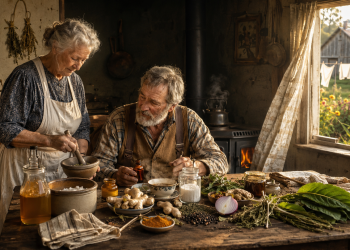
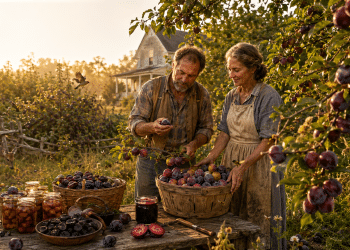
These weren’t just recipes; they were survival strategies. Drying and canning helped food last through the winter. Root cellars kept produce cool without electricity. Meals weren’t about gourmet flavors—they were about getting through the day, nourished and not hungry.
Feathered, Furry, and Frugal: Raising Low-Maintenance Animals
If you couldn’t afford the butcher, you became one. Chickens were the all-stars of backyard survival. They laid eggs, scratched for bugs, and could feed a family if it came to that. Rabbits, small and quiet, provided lean meat and fur. Goats cleared brush and gave milk.
Ducks laid eggs and ate pests. Bees offered honey and pollination—sweetness and survival in one buzzing package. These animals didn’t need fancy feed or big barns. They turned scraps and weeds into protein, fat, and fertilizer.
Nothing Goes to Waste: The Art of Reusing and Repurposing
In the Great Depression, everything got a second life. Clothes were patched until the patches needed patches. Then they became quilts, then rags. Glass jars were used for storage, not tossed in recycling bins. Old lumber became furniture.
A broken chair leg might become a garden stake. Tools were cleaned, sharpened, and handed down. Waste wasn’t just frowned upon—it was unaffordable. The book shows how frugality was both a necessity and a creative outlet. What we throw away today, our grandparents might have built something with.
Eating the Weeds: Foraging for Wild Nutrition
When money was tight and gardens ran dry, people turned to the woods, fields, and roadsides. Dandelions, lamb’s quarters, purslane, and wild berries weren’t weeds—they were groceries. Full of nutrients, easy to grow or gather, and entirely free, wild edibles helped fill the gap when farms failed or pantries ran low.
The book doesn’t just list them—it explains how to identify, harvest, and prepare them safely. For modern readers, it’s an invitation to reintroduce themselves to the natural abundance right outside their door.
Meat on the Move: Hunting and Trapping
For many rural families, the grocery store was a trapline or deer trail. Knowing how to hunt or trap wasn’t a hobby—it was dinner. The Lost Skills of the Great Depression covers old-school methods of tracking, trapping, skinning, and preserving meat.
Canning, smoking, or salting kept wild game edible long after the hunt. It’s not a romantic picture of rustic life—it’s a gritty look at how survival meant knowing your environment and respecting its limits.
Turning Scraps into Suppers: Depression-Era Kitchen Creativity

Nothing edible was wasted. Carrot tops went into soup. Bones became broth. Leftover bread turned into pudding, stuffing, or breadcrumbs. Scraps became flavor, and meals became resourceful puzzles to solve.
Fermentation added zest and longevity to cabbage and cucumbers. Even in kitchens with no electricity and minimal ingredients, people made meals stretch and sing. The creativity wasn’t optional—it was born from scarcity and guided by tradition.
Reloading for Survival: Making Your Own Ammunition
One surprising inclusion in the book is the practice of reloading shotgun shells. For rural families dependent on hunting, running out of ammo could mean real hunger. The guide walks readers through cutting, repacking, and safely firing homemade shells. I
t’s a niche skill, but one that reflects the larger theme: when you can’t buy what you need, you make do—or make your own. Safety is emphasized throughout, showing that resilience doesn’t have to mean recklessness.
Healing from the Garden: Home Remedies and Barter Culture
Doctors were expensive. Pharmacies were distant. So people turned to what they had—nature. Herbal remedies, many of which modern science now recognizes, were passed down from mother to daughter. Dandelion tea for digestion. Honey for wounds. Garlic and onions for infections. The book revives these home cures, many made from plants people grew anyway. And when you didn’t have what you needed, you traded: eggs for milk, herbs for bread. Bartering built trust and sustained communities when cash dried up.
Gardens That Fed the Soul and the Family
Victory gardens weren’t just for wartime—they were a lifeline during the Depression. Every square foot was used. Families rotated crops, composted scraps, saved heirloom seeds, and planted with the seasons.
Waste became fertilizer. Broken buckets became planters. Gardening wasn’t a hobby—it was security. And it wasn’t just about food. It was about hope, control, and pride in the midst of economic chaos. The Lost Skills of the Great Depression offers gardening tips that feel as relevant today as they did in 1933.
Resilience Relearned: What the Depression Still Teaches Us
This book isn’t just about looking backward. It’s about reclaiming the wisdom we’ve let slip through our fingers. In an age of convenience and waste, it challenges us to rediscover resourcefulness.
Whether you’re preparing for economic uncertainty, building a homestead, or just trying to live more sustainably, the lost skills of the Great Depression are far from obsolete. They’re a roadmap to a future where community, creativity, and self-reliance matter more than ever.