 Print
Print
This Solar Cycle Could Fry Your Internet (Literally)
After almost 20 quiet years, the sun is suddenly acting up—and scientists are watching closely. Around 2008, solar activity started to rise again, kicking off stronger solar winds filled with fast-moving, super-hot, electrically charged particles.
NASA says this uptick signals a more intense phase in the sun’s natural cycle, one we still don’t fully understand.
What It Means for Us

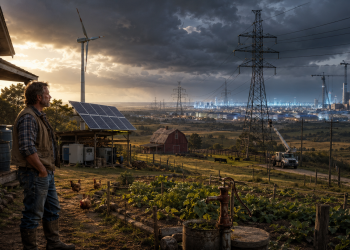
These solar storms can do more than just put on a light show. They can mess with power grids, GPS systems, satellites, and even internet services. Astronauts may face increased radiation risks, and airline flights might have to reroute during major solar events.
One of the more beautiful side effects? Stronger Northern Lights, possibly visible much farther south than usual. But there’s a catch. More solar activity can weaken Earth’s magnetic shield, letting harmful particles and ultraviolet rays sneak through.
And this isn’t just theory. Not long ago, a solar storm knocked Elon Musk’s Starlink satellites offline, leading to over 50,000 internet outages.
The Sun Has Its Own Rhythms
The sun goes through roughly 11-year cycles of rising and falling activity. The last one (Cycle 24) was unusually quiet. But Cycle 25, which we’re in now, is heating up fast. Scientists expect it to peak between 2025 and 2026.
Jamie Jasinski from NASA’s Jet Propulsion Lab said it best: “All signs pointed to the sun entering a long, quiet phase. Instead, that trend flipped. The sun is slowly waking up.”
Some experts believe this spike might be part of a longer 22-year cycle, meaning we’re now seeing the sun rebound from its earlier lull.
Since 2008, solar wind pressure has jumped 45%, and other factors like speed, density, and temperature have all risen sharply. That’s reshaping the heliosphere—the bubble of solar influence that surrounds the whole solar system.
Still More Questions Than Answers
This isn’t the first time the sun has gone quiet and then roared back. A long dip in activity happened between 1790 and 1830, and scientists still don’t fully understand why.
What they do know is that more solar activity raises the stakes for satellites, electric grids, space travel, and everyday life. Yes, the Northern Lights might be dazzling.
But the storms behind them could bring some of the biggest space-weather challenges we’ve seen in years.