 Print

One Year of Regrets, Successes, and Surprises
Picture sunrise on a quiet, forested 32-acre homestead. Solar panels glint on the roof, chickens scratch in the yard, and a crisp breeze rustles through the garden.
Many dream of this escape from city noise and skyrocketing bills. But after twelve months of living entirely off-grid—with solar power, homegrown food, and self-reliance at every turn—what’s the reality?
We spoke with modern homesteaders, listened to candid YouTube diaries, and sifted through online forums to gather the clearest picture of what life looks like when you cut the cord. The result is a story of triumphs, mistakes, resilience, and a new kind of freedom.
Chasing Independence, Facing Reality
“When we started, we thought it’d be peaceful—all the freedom, all the quiet,” recounts a Tennessee couple whose blunt YouTube updates have captivated thousands. “It is peaceful. But it’s also isolating, physically tough, and at times, stressful.”
The dream of independence is what draws most people to off-grid living. No more utility bills, no more reliance on a fragile power grid, and the satisfaction of drawing water from your own land. For one family, a modest solar setup—4,800 watts of panels with a 9,600Wh battery—has powered their homestead for a year. Built on a homemade racking system that cost less than $300 and survived 70mph winds, it’s proof that determination goes a long way.
Still, it isn’t all sunshine. “20 percent of the time kind of sucks,” the homeowner admits, recalling long stretches of cloudy weather and sticky summer nights when energy ran short. In hindsight, they would have invested in more battery storage.
The lesson is clear: independence is exhilarating, but compromises in comfort can sting when you’re just getting started.
The Hidden Costs—Financial and Emotional
For all the savings down the line, the upfront costs of off-grid living are daunting. Buying land, installing solar or wind systems, purchasing batteries, and setting up septic or water filtration can easily run tens of thousands of dollars—even with do-it-yourself labor.
One couple described their system as “basically paying our light bill ten years in advance.” And that doesn’t count the extras: rainwater catchment, animal care, vehicle repairs, or road maintenance on steep hills. Every upgrade or emergency adds another bill to the pile.
But it’s not just the wallet that gets stretched. Off-grid life also tests the heart. While some thrive in solitude, others miss casual conversations with neighbors, spur-of-the-moment coffee runs, or the ability to “just dip down to the pub.” Loneliness is rarely discussed in online highlight reels, but many veterans admit it can creep in quietly and powerfully.
Off-Grid Life is a Constant Problem-Solving Exercise
“Problem solving is 99 percent of your life when you do this,” says another off-grid veteran. Every day presents a fresh challenge: frozen pipes in January, battery hiccups in July, or wildlife raiding the garden.
Reality rarely matches the polished Instagram image. “Everything looks easy on social media, but reality is more complex,” one homeowner shared. “Sometimes you just end up out there with a shovel because the dump truck can’t make it down your road.”
The learning curve is steep, but each small victory builds confidence. When you finally get the rainwater system filtering properly or coax vegetables out of tough soil, the satisfaction runs deeper than in ordinary life. It’s the joy of solving problems that once seemed insurmountable.
Comfort vs. Compromise
Many who set out to “live simply” discover that simplicity can sting. Comfort is often the first casualty.
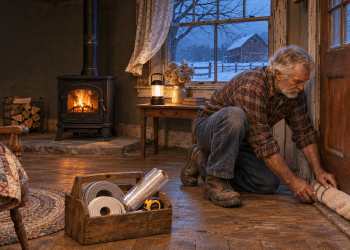
Long hot showers? Rare. Most are quick and lukewarm, especially in winter. Air conditioning? Almost impossible to justify. Heating requires wood stoves, propane, or multiple blankets. Even cooking can depend on the weather. “When it’s sunny, we cook, bake, and wash laundry. On cloudy days, we make do,” one off-gridder explained.
And yet, these limitations cultivate a new kind of creativity. Families learn to plan their days around resources instead of convenience. It’s a rhythm more tied to nature than to outlets or thermostats, and though it demands sacrifice, it also fosters resilience.
Despite Some Weirdness… Unexpected Joys Make it all Worth While

Despite the challenges, those who endure the first year often speak with awe about the unexpected gifts of off-grid living.
The peace of waking up with the sunrise, watching deer pass through the garden, or counting stars unblemished by city lights. The physical health gained from chopping wood, hauling water, and tending animals. The mental calm that comes from reduced screen time and closer ties to natural rhythms.
Many also highlight the deep satisfaction of sustainability. Composting toilets, permaculture gardens, and rainwater harvesting not only shrink their footprint but create a tangible connection to the land. And when the town goes dark during a blackout, the off-grid home hums along as if nothing happened. “We barely notice,” one homeowner said with pride.
Hard-Won Wisdom From the First Year
The most seasoned voices don’t sugarcoat it: off-grid living is not an escape from difficulty but an embrace of it. Their advice is rooted in trial, error, and occasional regret.
Set expectations realistically. Romantic visions of cabin life crumble quickly without grit, planning, and flexibility. Invest in quality equipment, because cheap batteries or water filters will fail when you need them most. Weatherproof everything, because climate extremes can undo months of effort in a single storm.
Know the legal landscape before you buy land. Building codes, water rights, and permits can derail the dream if overlooked. And don’t underestimate the importance of social connection. Forums, neighbors, or local events can provide the balance needed to fight isolation.
Most of all, expect setbacks. Each broken pipe or sick goat becomes part of the education. As one homeowner put it, “Off-grid life isn’t about avoiding problems—it’s about facing them with purpose.”
Regrets, Successes, and Continuing the Journey
After one year, the pattern is clear: most homesteaders harbor a mix of regrets and pride. They regret underestimating the financial burden, sacrificing comfort for budget, or neglecting the need for human connection.
But they measure success differently: in the meals grown with their own hands, the stronger bodies forged through daily labor, and the confidence that comes from solving problems no utility company or landlord could fix for them.
“We’re not experts. We’re not saints. Sometimes it’s tough. But no day is wasted,” said one couple as they wrapped up their first year online. “Would we do it again? Absolutely—just with more batteries and better planning.”
In 2025, going off-grid is actually more feasible than ever. Technology has advanced, resources are abundant, and community knowledge is just a click away. But the essence remains the same: it requires true grit, adaptability, and the willingness to trade convenience for independence.
Final Thoughts
For anyone considering the leap, here’s the real lesson: it’s not about escaping society or chasing a fantasy of easy living. It’s about reshaping your relationship with the environment, your resources, and especially yourself.
The first year off-grid acts like a crucible—refining dreams into hard-earned experience. It strips away illusions but replaces them with a deeper kind of fulfillment. The sunsets may be hard-earned, but they are much sweeter for it.
Independence, after all, isn’t free. It demands maintenance, sacrifice, and humility. But for those willing to endure the challenges, every day brings not just survival but the joy of a life fully lived.