 Print
Print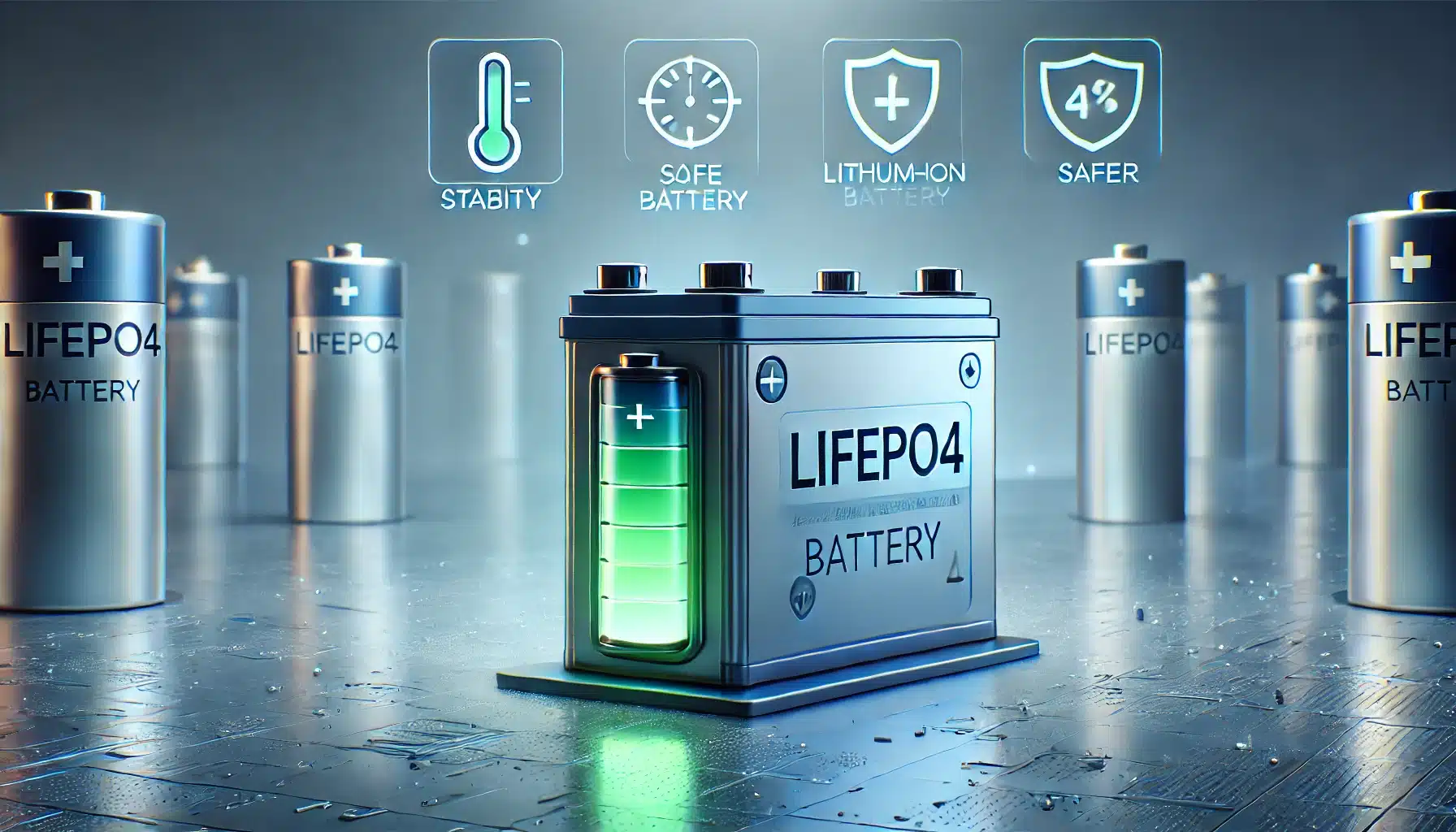
LiFePO₄ Ushers in the Next Generation of Lithium Batteries
Concerns about battery safety have lingered in the public consciousness ever since reports emerged of older lithium-ion packs catching fire in phones, laptops, and even electric cars.
Those early lithium-ion chemistries, such as Lithium Cobalt Oxide (LiCoO₂), were prone to overheating and, in rare cases, could ignite or explode if misused. Such headlines made many cautious about adopting lithium batteries for home energy storage, recreational vehicles, and other personal applications.
However, modern battery technology has evolved significantly since those first-generation cells. Today, Lithium Iron Phosphate (LiFePO₄) chemistry offers a safer, more stable solution that addresses many of the risks traditionally associated with lithium-ion batteries.
A Breakthrough in Thermal Stability
One of the most dramatic improvements LiFePO₄ batteries provide is their ability to remain stable at high temperatures. Traditional lithium-ion chemistries can enter a dangerous state of thermal runaway at around 150°C (302°F). In contrast, LiFePO₄ cells typically do not reach thermal runaway until about 270°C (518°F).
This higher threshold reduces the likelihood of overheating and catching fire, making LiFePO₄ batteries far safer in everyday use.
For consumers who recall the dramatic headlines of battery fires caused by overcharging, this shift in thermal stability is a critical reassurance that today’s lithium batteries have made a significant leap forward.
Resistance to Overcharging and Short Circuits
Another area where LiFePO₄ batteries excel is their resilience to misuse or accidental stress. Studies from the National Renewable Energy Laboratory (NREL) have shown that LiFePO₄ cells maintain stability even when subjected to a 100% overcharge.
In older lithium-ion chemistries, such an overcharge can lead to dangerous reactions, internal short circuits, and, worst cases, catastrophic failure. By contrast, LiFePO₄’s chemical structure naturally resists these hazardous chain reactions.
While no battery is entirely immune to abuse, LiFePO₄ offers a significantly wider margin of safety for everyday users. Moreover, many LiFePO₄ packs include built-in Battery Management Systems (BMS) to protect against extreme situations, further minimizing risks.
Longer Cycle Life for Financial Savings and Enhanced Reliability
Beyond safety, LiFePO₄ batteries also deliver practical advantages that often go unnoticed by consumers. These cells typically provide between 2,000 and 5,000 charge cycles, dwarfing the 500 to 1,000 cycles found in older lithium-ion chemistries.
This longer lifespan has the secondary effect of improving safety. As batteries age, the internal structures can degrade and become more prone to malfunctions.
LiFePO₄’s robust cathode material maintains its integrity over countless cycles, reducing the chance of the internal shorts or swelling that sometimes plague legacy lithium-ion packs. This reliability translates into fewer replacements and a more secure power source for applications that demand long-term reliability, such as solar energy storage, electric vehicles, and marine systems.
Environmental Benefits and Non-Toxic Composition
Safety goes beyond fire risk. It also extends to the materials used and their impact on people and stewardship. Many of the earliest lithium-ion batteries relied on cobalt, a metal associated with toxic byproducts.
LiFePO₄ chemistries eliminate cobalt from the equation, using iron and phosphate instead. These materials are inherently more stable and far less harmful, which makes LiFePO₄ batteries an environmentally preferable option. They are also less prone to leaking and releasing toxic gases, so even if damage does occur, the potential for a dangerous chemical release has been greatly minimized.
This less toxic, environmental angle adds another layer of appeal for those who want to ensure their transition to battery power is as clean and responsible as possible.
The New Gold Standard Industry-wide endorsements and Real-World Testing
Now, the real test of any technology is how it performs in critical, real-world applications. Over the past five years, LiFePO₄ has earned endorsements from various industries that demand performance and peace of mind.
Electric vehicle manufacturers such as Tesla and BYD have increasingly turned to LiFePO₄ for select models, citing its stability and extended cycle life. Marine and RV industries have embraced LiFePO₄ batteries for onboard power, knowing that an engine or cabin fire is a catastrophic scenario in confined spaces.
Regulatory bodies also reinforce these choices. Certifications under UL 1642, IEC 62133, and UN38.3 validate LiFePO₄ cells, underscoring their safety for various applications requiring stringent checks.
Addressing Residual Risks Through Proper Handling
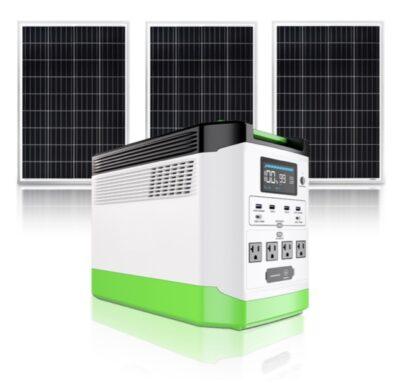
Although LiFePO₄ stands out as one of the safest lithium chemistries, it still requires proper handling to minimize risk. No battery is entirely immune to misuse or physical damage from extreme overcharging… beyond the protective measures of a BMS… can cause failures. That said, high-quality solar generator units now have precision overcharging prevention circuitry.
Temperatures below freezing, for example, can lead to lithium plating, affecting performance and longevity. Proper storage in a cool (but not below freezing) dry environment and adherence to recommended charging guidelines go a long way toward keeping any battery, including LiFePO₄, in peak condition.
Even though LiFePO₄ has a stronger chemical structure than older lithium-ion chemistries, common-sense precautions help ensure maximum safety and product lifespan.
A True Lithium Battery Paradigm Shift
With their higher thermal runaway threshold, robust resistance to overcharging, and non-toxic composition, LiFePO₄ batteries offer a clear answer to the safety concerns of earlier lithium-ion technology.
The new batteries bring a profound sense of peace of mind to anyone looking for reliable energy storage… whether powering an electric car, outfitting an RV or using lithium LiFePO4 batteries for off-grid living. Their longevity, combined with real-world endorsements from leading manufacturers and strict certification standards, underscores the reality that lithium batteries have progressed by leaps and bounds.
Why You Can Trust LiFePO₄ for Peace of Mind
Past fears about lithium batteries overheating and creating combustion do not reflect the capabilities of these new-age cells. LiFePO₄ represents a paradigm shift that has pushed lithium batteries into a safer, more dependable future.
By reducing the risk of fire, eliminating harmful materials like cobalt, and offering thousands more charge cycles, LiFePO₄ chemistry truly stands at the forefront of modern energy storage.
For anyone hesitant about adopting lithium-ion technology based on older, riskier chemistries, LiFePO₄ provides a welcome assurance that battery power can be both powerful and secure.