 Print
Print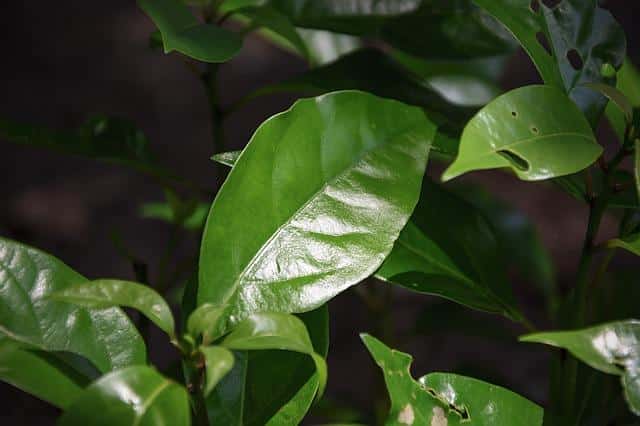
Chances are that you have used camphor numerous times in your life — but didn’t even know it. It is used in over-the-counter medicines and even some food products, but long before that it was used by our ancestors, who took advantage of the dried leaves, bark and wood to heal everything from coughs to minor cuts.
Let’s take a look at camphor and how it was used — and whether you can grow a beautiful camphor tree of your own.
The Many Uses For Camphor
Today, camphor is obtained by distilling the leaves of the camphor tree. However, the pioneers did not have the equipment for this endeavor, and so they relied on wood which was brought to Europe via Asia, where the trees originate. The white, waxy-looking substance is found in the wood of these trees, much like resin on pine trees.
Camphor wood or oil from the wood was prized as a medicine and rightly so, which explains why the pioneers often had either the oil or some wood packed in their “medicine bag.”
This strong-smelling compound is a natural antibacterial, antiseptic and disinfectant, although the pioneers were not aware of this, per se. However, they did know that it kept away many illnesses. The pioneer “flu shot” consisted of a cake of camphor tied in a burlap or flannel bag and hung around the necks of children or the elderly.
Fast, All-Natural Pain Relief With No Nasty Side Effects!
The first chest rub was described by a doctor named Henry Hughes, who lived in Utah during the early 1800s. He said that a mixture of olive oil and camphor could be rubbed on the back and chest to relieve coughs and loosen phlegm.
Camphor is also a mild anesthetic and offers a “cooling” sensation, similar to menthol. This makes it a first choice for minor burns, cuts or other skin problems.
Let’s not forget that ugly little critters like lice or scabies were fairly common in those times. Our ancestors knew that camphor oil, mixed in bath water, helped to kill these annoyances. Even a small branch with leaves, tied to your hat or shirt, will deter most insects, including mosquitoes.
(Note: Although pioneers consumed camphor for heartburn and other internal problems, it is toxic and can be fatal. As little as two grams can be lethal. Never consume camphor internally.)
Growing Your Own Camphor Tree
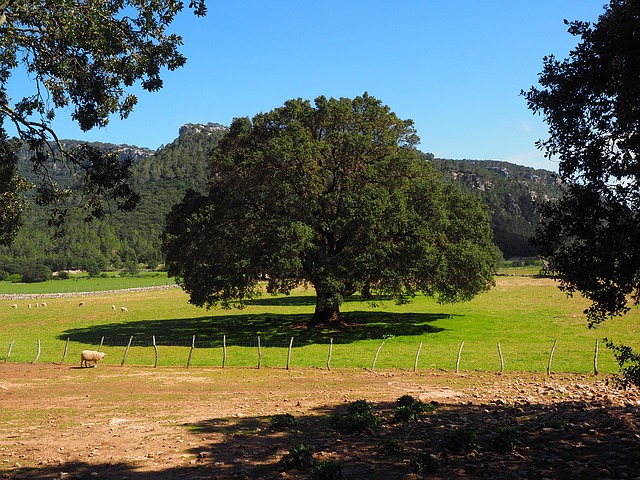
Camphor trees (Cinnamomum camphora) are magnificent — if you have the space for them. They can live to be 1,000 years old and the wood cannot be harvested for camphor until they are at least 50 years of age. The leaves, however, can be used right away, with most companies harvesting leaves three times a year.
These can be huge trees, growing up to 150 feet high, 300 feet in width, with trucks that can span 15 feet. Most never get this tall, but the possibility is there, so be certain you have the space for such an immense tree.
They prefer acidic soil and are native to China, Japan and Korea, but thrive in the Pacific Coast and Gulf Coast areas of the U.S. Once established, these trees are very drought-resistant, but once planted, you will not be able to “transplant” it elsewhere. The root system is very sensitive and grows far out from the trunk.
The long root system makes these terrific trees for windbreaks and they almost never break, even in heavy storms. They are very attractive to bees and butterflies, but not most insects, such as biting flies or mosquitoes.
Hardy in USDA planting zones 8a to 11, once established they need almost no care and require little water.
Camphor trees were planted in Florida as early as 1875. Some people consider these trees an invasive species, as birds that eat the seeds can spread these trees far and wide. Many of the original trees planted 141 years ago are still alive and well.
One of the main ingredients in the infamous Tiger Balm is camphor oil. The oil is also used in gum and candy, and the smoke from heated camphor is what gives Szechuan smoked duck its unique flavor.
Camphor trees can be remarkably vigorous, and several specimens actually survived the atomic bombing of Nagasaki in 1945. The sire was designated a natural monument in 1969.
Do you use camphor? Have you ever owned a camphor tree? Share your tips on camphor use in the section below:
*This article is for informational purposes only and is not intended to diagnose or cure any particular health condition. Please first consult with a qualified health professional.