Off The Grid News Better Ideas For Off The Grid Living

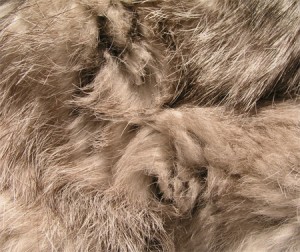 The idea of wearing fur (or making anything with fur) has some negative connotations in modern society, but fur is a natural by-product of raising meat rabbits. Anyone interested in the back-to-basic lifestyle knows that it is important to make the best uses of all of your resources. You are going to slaughter the animal you’re going to use the meat, so it makes no sense to throw the beautiful pelt away in the trash—in fact, it is a senseless waste. Tanning hides is not necessarily a difficult thing to do. It takes a little bit of practice, but once you have the method down, you can do it easily.
Tanning does take several days, however. It is not a “one-off” project where you spend a few hours, and you’re done. However, while the process takes days, your actual involvement is only a few hours total (and most of that time is taken up by soaking the pelts).
Tools You Need for Tanning
Gather all of the tools and products you need ahead of time so you aren’t missing anything. Even though it takes a few days, tanning is a time-sensitive process. If you are at a stage where you need to take action and don’t have the supplies you need, you may end up ruining the entire project. The supplies listed below are enough to tan five to ten hides at a time. You can begin the process of tanning immediately after butchering your rabbits. If you do not have enough at a single butchering time, collect them, leave them flesh side out (as they will be after removing from the animal), wash them off, rub plain table salt on the flesh side, bag them in a sealable baggie, and store them in the freezer. This way you’ll keep them until you have enough to make tanning worthwhile. The supplies you will need are:
- 1 ten-gallon plastic bucket with lid
- 1 very well-washed brick
- 1 plastic or wooden stirring stick about 2-feet long
- 2 pounds of rock salt (the type used in water softeners works fine and is easy to come by)
- 1 8-oz package of battery acid (easily found at any auto supply store)
- 1 piece of plywood, cut to the same diameter as the inside of the bucket
- Rubber gloves
- A clothesline strung to make at least four feet of hanging room, preferably in a warm room. A garage or basement works fine, or if necessary, a bathroom. Make sure you place it in a room with a floor that can get wet. Cement garages or basements, again, are best, and least affected by any dripping solution.
Do not use anything metal for any of your supplies such as buckets or stirring sticks. It has to be said that there are a few other recipes for tanning solution, but the acid tanning is the most durable, and the easiest to get supplies for. One method, known as “brain tanning” is possibly more sufficient for homesteaders, or back-to-basics followers, but there are a few drawbacks and risks involved with handling raw brains, such as contact with possible parasites that are not a danger in any other part of processing any animal. In the case of rabbit tanning, it is also harder to procure the brains during processing than it is a larger animal. I believe the risks are not worth the extreme effort involved. Acid tanning also, as said above, is much more durable, and keeps the pelts in much better condition, with the hair more intact than other forms of tanning.
The Process
If you have collected and stored hides until you have enough to process, or the time to give it the attention, thaw out frozen hides by running them under warm water. Use a very mild detergent such as “Joy” or another mild dishwashing soap, to get all of the blood off of the skin and fur. Do not wring the hides to get the water off, squeeze them gently to remove as much excess water as possible.
Add a gallon of hot water to the plastic bucket, and pour in the rock salt. Stir with your stick until the salt is dissolved. Add a gallon of cool water, just cold enough to get the water to room temperature (about 70 degrees).
Put on your rubber gloves, and SLOWLY add the battery acid to the mixture by tipping the bucket a little and pouring the acid onto the inside of the bucket so that it runs down into the water. Be very careful – this is a caustic acid that can burn. Do not get it on your hands, clothes, or in your eyes. If that sounds scary, that’s good. It is to the point, and understanding the severity will help keep you safe by making you extra cautious. However, do not let it stop you from trying to tan your rabbit hides. It sounds a lot scarier than it is, and after the first few times, you will feel very comfortable with the process.
Place the hides in the bucket slowly to avoid any splashing, one at a time, and stir them each gently with the stick as you add them. Once you have all of the hides in the bucket, ease the plywood on top of them to avoid splashing, and then put the brick on top of the plywood. This keeps all of the pelts completely submerged. Put the lid on the bucket and put it out of the way in the same room you will hang the hides. Make sure the bucket is not in any sunlight that might heat it up.
Leave the hides soaking for a week in the tanning solution. At the end of the week, remove the hides with your stick (wearing your gloves) and gently squeeze them to get the excess liquid out. Save the tanning solution as you’re not done with it yet. Do not wring them again since doing so damages the pelt. Put the hides in a sink, and rinse them in cool water and mild dish soap to get all of the acid mix off of the pelts.
Once the pelts are well washed, and you squeeze the water off of them, you will notice that there is some fleshy, fatty material on the skin side of the pelt. Pull it off. It should come off relatively easily. If you have to, use a sharp knife, placed at a 45 degree angle to the skin, and scrape the hide. Be very careful not to cut into the skin while scraping.
Place the hides back in the solution in the same careful manner as above. Put the plywood and brick on top, cover and let sit another week. At the end of the week, repeat the washing process. During this second soak, if you have to, you can leave the pelts in the solution longer if needed, until you have the time to work with them. Hides can be kept in the tanning solution for up to a year without any damage.
When you are ready to deal with the following process, remove the hides from the tanning solution again, and wash in the same manner as the first time. After the hides are washed and peeled or scraped off, hang them, skin side down, over the clothesline. Check on your hides daily, and take a few minutes to work each one gently by holding each end of the pelt on either side of the line and dragging it back and forth. This will not damage the pelt, and keeps the skin side soft and supple. Do this daily, making sure you thoroughly work the entire hide over the clothesline each day for a few minutes. After about a week, the hides should be completely dry and well-worked, soft, and beautiful for you to use as you wish. You’re done. You have just made use of a valuable by-product of your meat rabbits.