 Print
Print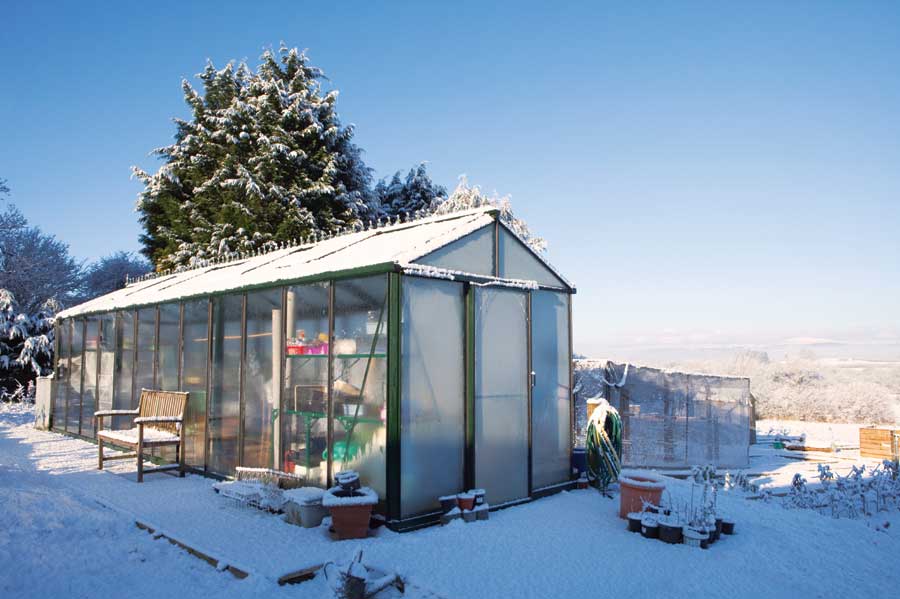
Eating fresh produce all winter is a gardener’s dream. There is a sense of pride and satisfaction from eating vegetables you grew in your own garden. Some may think growing crops during the winter is hard or impossible, but as you will see, winter gardening is easy and fun when you know what to plant — and when.
Cool greenhouses, cold frames or quick hoops are the easiest to handle and take care of. In most locations no heat is needed, as the structures absorb the sun and produce is protected from outside weather. Cool greenhouses or cold frames are greenhouses that stay below 50 degrees Fahrenheit consistently at night. You can also use quick hoops, a structure made with arches and built very much like a cold frame. They can have high or low arches. You can even place quick hoops inside a cold frame. This would give your plants extra protection and double the amount of plants you can grow.
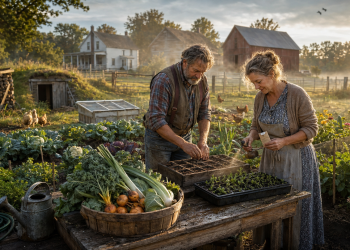
With any one of these structures, there is a rather large list of vegetables you are able to grow easily. Let’s begin the list with beets, broccoli, garlic and kale. There are also Brussels sprouts, carrots, radishes, celery and turnips. Leafy greens like the cooler temperatures, too. Let’s bring in the cauliflower, spinach, cabbage, lettuce and herbs. When wondering about a vegetable, read up on its characteristics if you are interested in adding it to your garden.
The advantages of growing winter vegetables in a greenhouse or a cold frame are as plentiful as the types of vegetables they protect. A dedicated gardener is able to enjoy a beloved hobby, as well as having fresh produce during the dreary, long winter days. Very little weeding is necessary in the cold months.
Get Delicious, Nutrient-Dense Heirloom Seeds Here!
When you are deciding on whether or not to grow through the winter, you need to know both the advantages and disadvantages. The cost of building a greenhouse structure can be substantial, even if you decide to build it from scratch instead of buying a store model. If you choose to heat the structure, or if you have more than one, it may raise your heating bill noticeably. But if you keep your greenhouse warmer, you will have more choices of what to grow. One way to get around this issue is to attach your greenhouse structure to your house, and share heat.
For some areas, crops such as kale, carrots or spinach can grow outside with little protection. Parsnips grow well mostly anywhere unprotected. Most of these crops enjoy full sun or partly sunny areas. The vegetables mentioned all have a reputation for being tough and resilient. Let’s talk about a few common ones. For example, parsnips are usually grown as an annual crop but are a hardy plant having a strong resistance to cold. They are at their best when harvested right after a frost. Carrots love the sun, and gamely fight off most garden pests and diseases. Root vegetables like carrots, beets and garlic can resist the frost. They all like a partly sunny to sun-filled area. They grow quickly and can survive frosts and freezing temperatures. Garlic is known for being a natural garden insect repellent and tolerates frost well. Spinach is tough and cold resistant. It is also a sun-loving plant just like the other vegetables mentioned here.
New Natural Fertilizer Doubles Garden Production!
For a winter garden, you still need to treat soil like usual. You must build the structure and prepare the area for growing. You need to decide where the best place is to build the structure. You also need to plan what type of greenhouse suits your home and yard. It may take a couple growing seasons to understand what vegetables and structures work the best in your climate area.
Remember that you can grow new crops once you harvest the old ones. Keep an eye on the temperature inside the greenhouse, though. Over-heating is a common threat to greenhouse garden vegetables and needs to be taken seriously. It is just as serious as a severe frost. Plants will recover from frost, but not from being heated to the point of wilting. If you notice the temperature has risen over 75 degrees Fahrenheit inside the structure, open your greenhouse windows or cold frame a few inches for a while. It helps to keep a thermometer inside to easily read temperatures.
What a success it is to eat what you grew in your very own backyard greenhouse, in the middle of winter. Don’t let the threat of cold or snow stop you, for now you know the secret. Gardening isn’t just for spring and summer; it’s a year-long activity. It will bring a piece of summer into your winter kitchen.
What are your winter greenhouse and gardening tips? Share them in the section below:
Get $600 Worth Of Survival Blueprints … Absolutely Free!