 Print
Print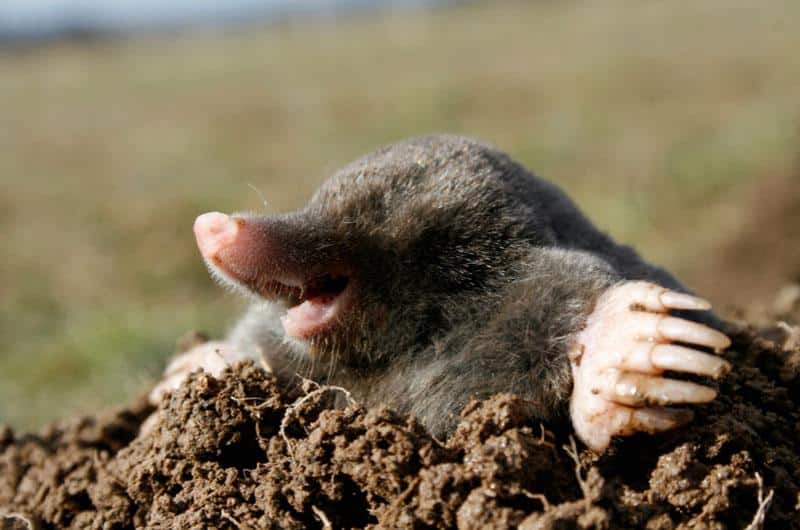
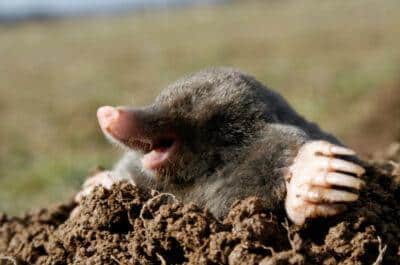
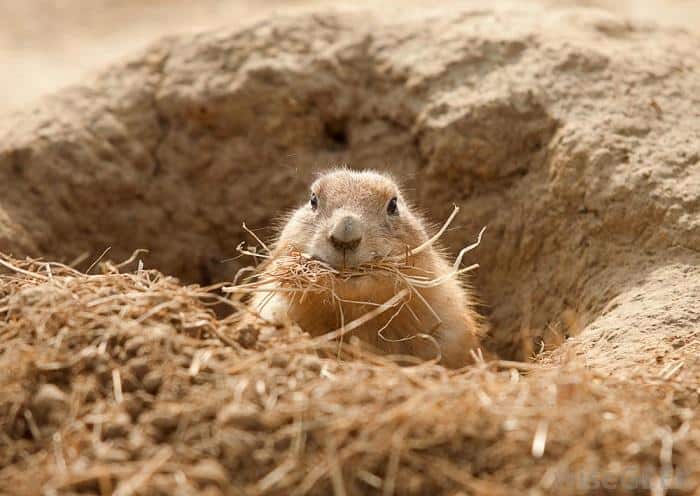
Nothing ruins a morning stroll through the garden faster than the sight of crops damaged by “nuisance” animals. There can be no doubt that burrowing animals can cause a great deal of damage, both physical and economic, to crops and infrastructure. Such devastation often invokes great feelings of anger and retribution toward the offending creature or creatures. The question is, should these animals be completely eradicated or should a concise plan of attack and prevention be developed in localized areas?
The initial reaction almost always brings forth a desire for the “nuclear option” to rid one’s land of burrowing creatures with extreme prejudice. After all, to take such measures would almost certainly rid one’s property of the damage brought on by such creatures. However, there is a great possibility that the unknown or unseen consequence of such an action may lead to long-term and undesirable costs.
Animals that burrow and graze through crops do have a purpose and function. These advantages may not appear relevant or desirable within the context of gardens and fields. Within undeveloped and nearby habitats, the returns gained by allowing small populations of burrowing animals to thrive do become quite clear.
The Secrets Of Sea Minerals To Grow More “Nutritionally-Dense Food” Than You Can Possibly Eat!
Anyone living near areas prone to flooding receives benefits from burrowing animals as rainwater infiltrates these ground level holes. This helps carry the water into the soil where it can seep in and be stored instead of simply running over and off the land, often carrying with it vital nutrients needed for crop production. In similar fashion, the numerous burrows created by these animals help to store carbon and aerate the soil with much-needed oxygen. We spend a great deal of time and effort to create compost, but these animals carry with them into their burrows essential fungal spores, plant matter, feces and other organic matter deep into the earth. This natural and subterranean composting adds value to plant roots and doesn’t need human intervention to accumulate. Allowing such animals to thrive in limited numbers is almost like enlisting free labor for the effectual conditioning of the land for farming use.

Soil conditioning is not the only added value brought to the landowner by these burrowing animals. Another added and free benefit: insect control. Without the voracious appetite of moles, armadillos, skunks and other ground dwellers, insect and some other rodent populations would explode. It is no stretch of the imagination to envision whole crop failures due to uncontrolled insect and rodent populations. Chemical insecticides and organic control methods combined could not mimic the level of regulation exacted by burrowing animals.
Lastly, burrowing animals are not always about the business of digging themselves new homes. They often occupy and improve the dwellings left behind by some other animal. This communal existence plays a large part in the biodiversity of the land, creating habitats for other animals that also add value to the land.
This is not to say that no action should be taken to limit the population of burrowing animals on one’s land. Rather, a real, intentional and systematic approach should be taken to protect crops from unwanted invasion. Complete eradication would remove a valuable (and free) resource, thus it would be wise to identify areas suitable for allowing burrowing animals to play their part in our ecosystems. Regular observation and population control in those areas should be maintained for the sake of a healthy farm. One word of caution in such a program, however, is to avoid the use of deadly poisons in any elimination program. Burrowing animals are food for other animals that also provide unseen benefits. When these predators consume poisoned animals, they, too, absorb the poisons. Sick animals in the wild can infect and decimate domesticated livestock populations. Poisoned animals can also take such poisons deep into the ground with them, causing unhealthy infiltration into ground water and root systems. Thus, the best method to reduce burrowing animal populations is through trapping and hunting.
How do you decide when to fight moles, groundhogs and other underground varmints? Give us your tips in the comments section below.
Sign up for Off The Grid News’ weekly email and get $600 worth of survival blueprints … free!