Posts Tagged ‘ fertilizer ’

How To Choose The Best Organic Fertilizers

May 1st, 2013 | By
How To Choose The Best Organic Fertilizers

You’ve probably heard the arguments for organic produce and food versus inorganic varieties, but what about organic fertilizers? Walk down a garden center aisle and you’re faced with a dizzying array of choices when it comes to fertilizers. Sometimes, choosing the right one can be downright impossible. Here’s the low-down on organic versus inorganic fertilizers. First, both supply nutrition to plants, primarily in the form of nitrogen, phosphorus, and potassium. Synthetic fertilizers are usually made using petroleum products, which makes them less environmentally friendly. In fact, excessive runoff from synthetic fertilizers after storms can actually
continue reading…


What Can Poop Do For Your Garden?

Apr 24th, 2013 | By
What Can Poop Do For Your Garden?

As a vegetable gardener, you know that the quality of your soil can make or break your harvest. Vegetables need loose, light, fertile soil that holds water well without becoming sodden. Few gardeners are blessed with this soil, known as loam, occurring naturally in their garden. But with patience and a little help, you can slowly build loam soil. The regular addition of organic matter, found in manure and compost, is one of the best ways to make that ideal garden soil. But which manures are best? All livestock manures improve soil texture and drainage,
continue reading…


Using Food Scraps In Your Garden

Jan 17th, 2013 | By
Using Food Scraps In Your Garden

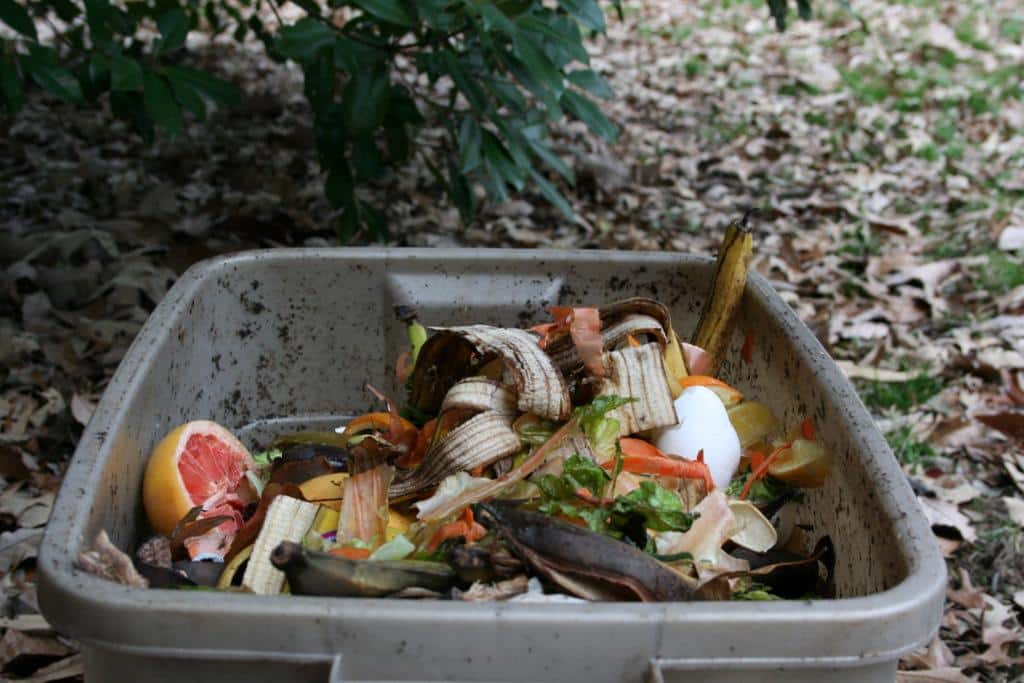
Using food scraps to grow your garden is the sensible thing to do on two different levels: Scraps can be composted (decomposed) into rich soil full of nutrients. Scraps can be used as soil fertilizer, pest repellent, and to give plants a boost of vital nutrients. First we will take a look at how composting works and how you can make composting work for your garden’s growing potential. What Is Composting? Composting is the process of decomposing organic matter (food scraps and yard wastes) for the purpose of recycling it into fertilizer for gardening purposes
continue reading…


Let’s Talk Fertilizer: Which Manure Is Right For You?

Aug 15th, 2012 | By
Let’s Talk Fertilizer: Which Manure Is Right For You?

I admit it—when I first started gardening, I was a little overly ambitious. My approach to growing vegetables was simple. In my mind, any old patch of soil in my backyard would do. All I needed was my green thumb and a few seeds. This approach was met with a rude awakening later that spring. To my dismay, my vegetables refused to grow despite the summer heat. My tomato vines looked wilted and droopy, incapable of producing anything edible. My strawberries looked as though they should star in Alien Vs. Predator rather than be used
continue reading…


The Dos And Don’ts Of Compost

Aug 4th, 2012 | By
The Dos And Don’ts Of Compost

Composting can be a great way to add inexpensive fertilizer and nutrient-rich soil to your garden, as well as an eco-friendly way to reduce the amount of waste that you produce. Composting is also very easy, although it takes a bit of time and care to do properly. Once you get into the habit, composting becomes second nature! What Is Compost? Compost is simply decomposed organic matter that has turned into dark and crumbly soil. Decomposition happens organically in nature, but the process of composting at home accelerates the natural process by keeping decomposing material
continue reading…


Chemical Fertilizers And Roundup: The Stealthy Ingredients Killing You And Your Crops

Jul 19th, 2012 | By
Chemical Fertilizers And Roundup: The Stealthy Ingredients Killing You And Your Crops

The jury has been out for quite some time on chemical fertilizers and herbicides – are they good or bad? Roundup, which is the most popular weed killer in the U.S., is at the center of the debate. Researchers in Europe have claimed that the weed killer has serious toxic effects. This, they say, is due to inert ingredients that amplify the toxicity of Roundup’s active ingredient, glyphosate. As a result, Roundup is banned in nearly every European country. Research On Roundup Suburbanites all across the country have heard the warnings about chemical herbicides, yet
continue reading…


The Hard Facts About Organic Fertilizers

Feb 28th, 2012 | By
The Hard Facts About Organic Fertilizers

Gardening is a fun and practical pastime. You can work out your stress by working the soil, teach your kids valuable skills and lessons, and, best of all, grow much or even all of your own produce. With a successful garden, you can become independent from the world of big agriculture and chain grocery stores. Even if you can’t grow all the food you need, you should be able to produce a large portion of your family’s nutritional intake. Growing vegetables seems simple enough: put seeds in soil, water, and watch them grow. Unfortunately, gardening
continue reading…


The Synthetic Path to Ruin

Nov 30th, 2011 | By
The Synthetic Path to Ruin

If you watch a lot of commercial television or listen to the radio several hours a day, you probably have your fair share of commercials that you love to hate. It seems that some stations and networks tend to run the same annoying messages a dozen or more times a day, sometimes two or three times during the same program. If you’re anything like me, you eventually just tune them out, mute the sound, or change the station.


Composting Made Easy

Jan 12th, 2011 | By
Composting Made Easy

Hello Everybody!  Hope you all had a great holiday and your New Year is going well!  I don’t know about you, but time just slipped away from me.  I can’t believe it’s already the second week in January!  I wonder if any of you made New Year’s resolutions?  If so, how many have already been
continue reading…


Five Secrets to a Productive Garden

Jul 18th, 2010 | By
Five Secrets to a Productive Garden

If you’re considering a food garden as part of your long range emergency preparedness plans, the number one piece of advice you need embrace is: “Do your research.” The rules for successful gardening are very much local. Even the best gardening books may not be of much help unless there are detailed guidelines for each
continue reading…