Print
Several years ago, Ohio State University researchers reported that there are “more microbes in a teaspoon of soil than there are people on the earth.” These microorganisms, of course, are essential to producing rich soil and strong, hardy plants.
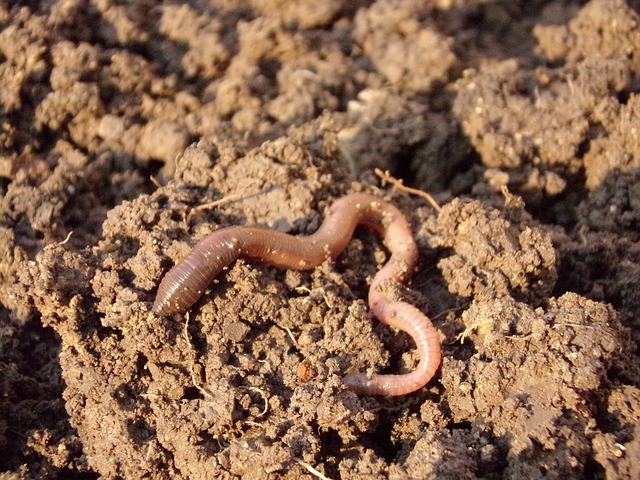
And one big key to healthy soil is worms. Worms help compost your soil and add castings (“worm poop”) for proper soil nutrition. Liquid fertilizer then can be made from the worm castings (a fertilizer called worm “tea”). This worm tea boosts the activity of the microorganisms of the soil by adding things like bacteria and protozoa.
You can dramatically improve your soil’s quality with a worm farm, also known as vermiculture — a process in which worms are utilized to decompose the organic food waste into a material usable by the plants. This can be done at home in a cheap and easy setup, and it doesn’t need to be complicated. All you need is creativity and time!
There really is no end to the uses of your worms and their byproduct. Use them for:
- Fertilizer.
- As a way to get rid of rabbit poop.
- Fishing.
- As a way to get rid of vegetable scraps and coffee grounds.
- Chicken feed.
You can get creative with your vermiculture, but there is a general structure that must be followed for success. You’ll need the following components:
- Something to hold your worms.
- Some newspaper.
- Compost or soil.
- Green waste.
- Manure.
- Worms (of course!).
Assembly
Think of a vermiculture setup like a compost bin with worms and a tap. The container can be anything from an old broken fridge to a wood bin. Whatever it is, you want to make sure it has a hole in the bottom for draining. If you use the fridge, lay it on its back, take all the stuff out, and drill a hole in the bottom.
This New All-Natural Fertilizer Doubles Garden Production!
Make sure your worms are kept cool and are not in the sun! Also, avoid areas with vibrations.

Now that you have your container, it’s time to work on the bedding. Start with the newspaper and rip it into little pieces. Don’t rip it all up, though. Keep some whole sheets for later. Soak it in water until mushy, and then mix well with soil. Take a few sheets of wet newspaper and place it at the bottom of the container as a base. Then, place the soil-compost mixture on top. Make sure there are a few inches of soil. (This depends on the bin and how many worms you have.)
Place the worms on top and they will burrow down into the soil. Place the green waste on one side of the worm bin. This is what the worms are going to eat. If you have some manure, great, put it on top. Use farm manure from pigs, rabbits or cattle, but not from house pets. I would not put more food than one-fourth of the soil you have. Believe it or not, they eat half their weight every day!
To finish assembling, put a lid on it and make sure to allow a small amount of light in to keep them in there. If you don’t have a top on your worms, you will have a breeding colony of flies and maggots.
Worms of choice are red wigglers or composting worms. Earthworms just don’t like to eat like the little red wigglers do. Worms are the most expensive part of the worm bin. You buy them by the pound. Start small if you have more time than money, or go big with a few pounds of worms to get castings quickly.
The nice part about worms is they multiply quickly. Adult red wiggler worms (three months old) can produce up to three cocoons per week. Each cocoon has about two to three worms. The cocoons take 11 weeks or so to hatch.
You even could make some income selling worms!
Tip: The main issue with vermiculture is that people often overwater their worm bins. You can drown your worms, so just keep the plant-based scraps and manures we described above as the main source of moisture. Worms love leaves, so put a layer of leaves on top to make them happy. Also, don’t use meat! This will turn your worm bin into a mess — and worms do not like it, either!
How do you use worms on the homestead? Do you have any vermiculture advice? Share your tips in the section below:
Bust Inflation With A Low-Cost, High-Production Garden. Read More Here.