 Print
Print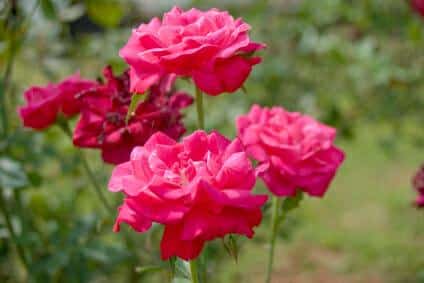
 Many cultures have included edible flowers with or in their dishes as garnishes, ingredients in salads or even as a side dish, such as the stuffed or fried squash blossoms of some Native American tribes. They can be candied, made into jams and jellies, teas and wines, frozen into ice cubes and molds for your favorite beverages, or minced and added to any number of your favorite recipes. I have also seen them added to vinegars for cooking, as well as in marinades or salad dressings. Many flowers and blossoms have the same flavors as their plant leaves—except for chamomile and lavender blossoms where their flavors are much more subtle.
Precautions
Please don’t get the mistaken idea that all flowers are edible—some flowers have foul tastes and others may actually be poisonous. Another factor that may cause your blooms to be undesirable additions to your table are the pesticides and other chemicals which may cause otherwise safe flowers to be poisonous. Be sure that you check with your local poison control center before eating any that were not organically grown by you or someone you trust. Also, you should never eat any flowers from a florist shop, garden center, nursery or that grow beside any road or highway. By the way, if you have asthma, allergies to flowers, or hay fever, it may be best not to eat flowers at all as plant pollens often cause these types of health difficulties. If you are a new adventurer into the realm of edible plants, please remember to introduce flowers into your diet one at a time, in small quantities, and wait at least a week or two before adding another flower to your menu so that, if there are any sensitivities, you will have a better idea to its cause.
Growing Edible Blooms
Edible flowers are grown in the same way as your ornamental varieties; they all require a well-drained soil with their pH in the 5.5 to 6 range. Testing is simple and a tester can be purchased at your local nursery or garden center. Mulch around your plants to help reduce weeds. This helps save on your water usage by keeping soil temperatures constant and reduces soil splashing caused by heavy rain. Your mulch should be 2– 3 inches deep. Flowers should receive about an inch of water each week and should be from ground level and not by overhead methods as water on plant leaves for long periods of time can increase the possibility of your plants getting diseases.
Pest control can be done organically with insecticidal soap and/or pyrethrin (or plant based) sprays. Check the container for proper usage and how long you should wait after spraying before harvesting your blooms. (These methods can also be used on your fruits and veggies as well.)
Harvesting
The flavors of your flowers will vary with the growing conditions and the particular variety and type of cultivation used, so taste test your flowers before picking a large amount of any particular flower. You should only harvest your blooms in the cool of the day, after the dew has evaporated. For the best flavor possible, choose your flowers when they are at their peak, avoiding blooms that aren’t fully opened or that are past their best days. Keeping your blooms fresh is relatively easy—long-stemmed flowers should be placed in a container of water until used, while short-stemmed blooms should be harvested within 3-4 hours of use, sealed in a plastic zipper bag and stored in your refrigerator. A damp paper towel placed in that bag will help keep the moisture level high enough to keep your blooms fresh for the longest time possible.
Pollen can distract from the flavor of your blooms; it also may cause an allergic reaction for some, so remove the pistils and stamens. You should also remove the sepals of all flowers except pansies, violas and Johnny-jump-ups. On some varieties, only the petals of the flower are edible, such as chrysanthemum, tulip, calendula, yucca and lavender. However, with roses both the petals and the hips are edible – the hips are very high in vitamin C and are tasty when made into jelly and/or tea. (The hips are the fruit of the rose plant.) There are a few of the food flowers that you will want to trim off the white base of their petals before adding to your meals. This section of the petal is usually bitter. These include roses, chrysanthemums, marigolds and dianthus.
Further Reading
- Belsinger, Susan. 1991. Flowers in the Kitchen; Interweave Press; Loveland, Colorado.
- Barash, Cathy Wilkinson. 1997. Edible Flowers: Desserts and Drinks. Fulcrum Publishing; Golden, Colorado.
- Barash, Cathy Wilkinson. 1993. Edible Flowers From Garden to Palate. Fulcrum Publishing; Golden, Colorado.
- Herst, Sharon Tyler. The Food Lover’s Companion, 2nd edition. Barrons Educational Service, Inc.
- Kowalchik, Claire and William H. Hylton, editors. 1987. Rodale’s Illustrated Encyclopedia of Herbs. Rodale Press, Inc.; Emmaus, Pennsylvania.
- Peterson, Lee Allen. 1977. Edible Wild Plants. Houghton Mifflin Company; New York.
- Shaudys, Phyllis V. 1990. Herbal Treasures. Garden Way Publishing; Pownal, Vermont.1
1 Information gathered from NC State University, Horticulture Information Leaflet, Edible Flowers