Print
Why It Matters More Than Most Folks Think
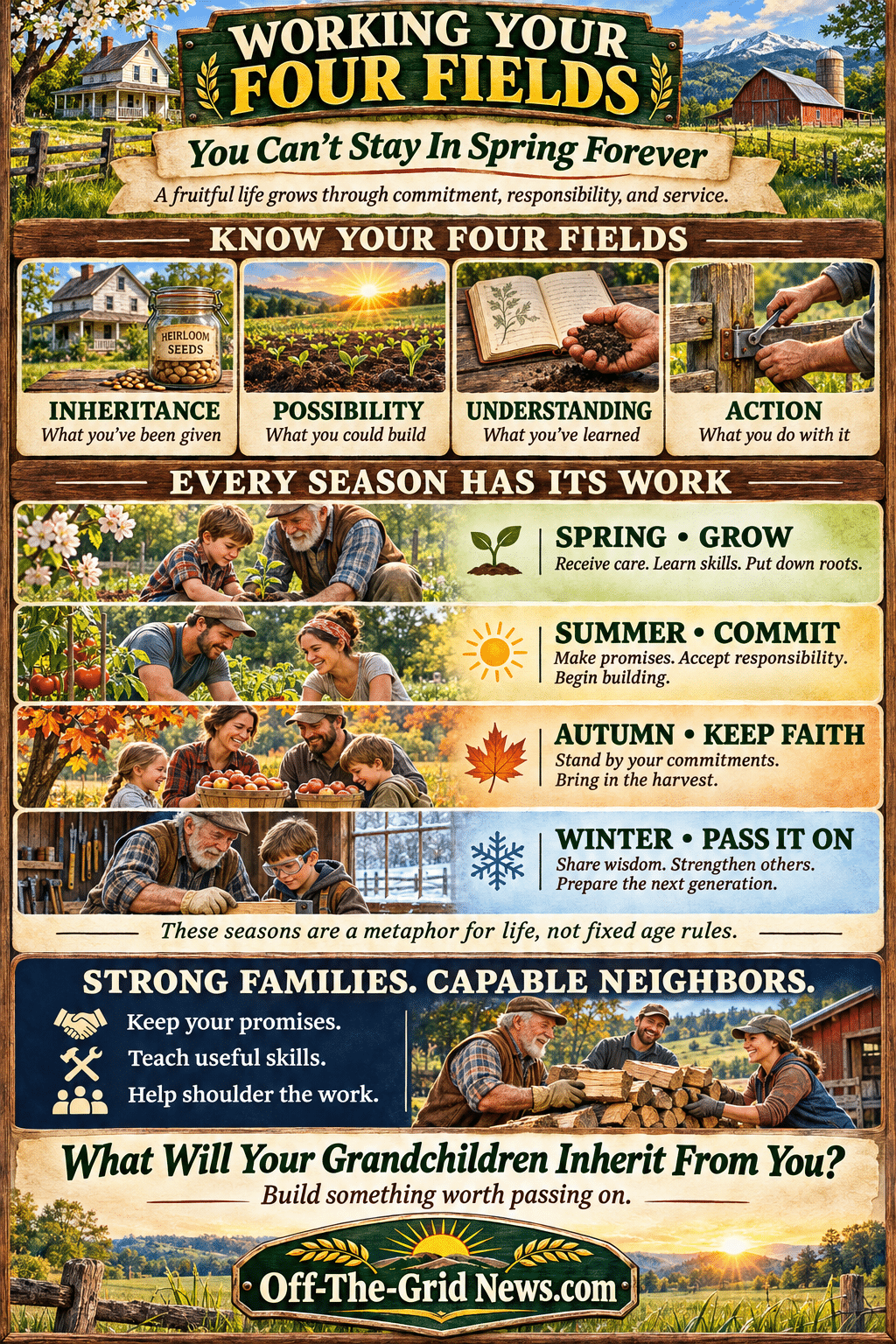
What Will Your Grandchildren Inherit From You?
Stand in the middle of your place and you know the four fields by heart: inheritance behind you, possibility ahead, understanding on one side, action on the other. But there’s another way to read that ground… through time.
A farm doesn’t live in one season. Spring isn’t a way of life, and a man who tries to make it permanent never gets a harvest.
We’ve built a whole culture around dodging the same cold, hard truth about life.
Staying “Boys and Girls” Forever
Notice something strange in town: ladies of seventy still enjoy being called girls, and men of eighty are content to be called boys. Almost nobody welcomes being called a woman or a man, because somewhere along the road those words have quietly come to mean one thing: old.
The safer expression is “human being.” In the rationalist imagination, it becomes a category with no sex, no age, no calling, no story. Just a unit, from cradle to grave.
But a unit is easy to manage like a child. A government that forgets it’s addressing grown men and women soon learns to sugarcoat everything, because no unpopular truth is ever put plainly before boys and girls.
Before long, people managed like children start believing that their letters and telegrams ought to settle policy… as though a mailbox crammed with feelings were a workable plan for the country.
Run a farm that way and see how long it survives. The county already sends enough paperwork to suggest somebody thinks it might. Nobody tells the children the truth about butchering an animal, so the children never grow up enough to be trusted with anything harder.
Watching Life From the Fence
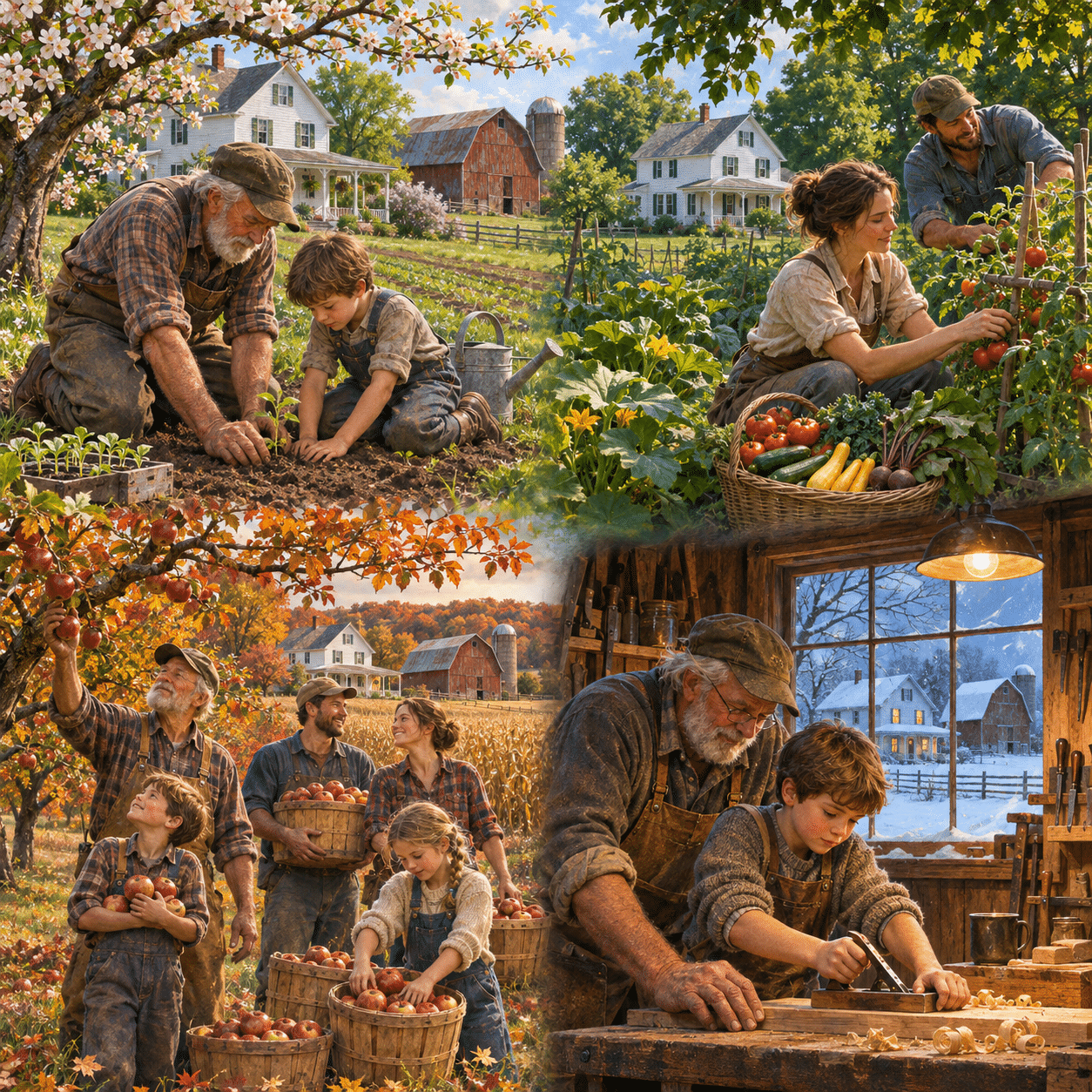
There’s an old psychology that fits this permanent childhood perfectly. It divides a person into thinking, feeling, and willing… a spectator standing back from life, inspecting the world as though it were a show arranged for his convenience.
It’s a comfortable picture. It’s also bloodless and barren. Ask where love belongs, and it files love under “will,” as though devotion could be summoned like a hired hand.
You can’t simply order yourself to love.
Love carries a power that determination alone can’t manufacture. Like seed corn, something living must be there before anything can grow. No amount of money buys it, and no amount of grit guarantees it.
That’s why a lot of engagements break: two people mistake wanting to be in love for love itself. It’s also why we pray, “Not my will, but Thine, be done.”
Answering the Call
God is love, and love calls us beyond merely getting our way. Love lifts us beyond self-will; hatred drags us beneath it.
Thinking, feeling, and willing don’t tell the whole story of anybody’s life. We act because somebody calls… and because there’s somebody we can answer.
Detachment, for all its respectability, usually depends on somebody else’s work. When the barn’s on fire, the rubberneckers watching the flames are worse than useless. Somebody has to keep them clear of the pump.
The man gripping the nozzle isn’t detached. He’s answering a call.
The Great Event in the Middle
Here’s the shape of a committed life: growth, then a great event, then the long working-out of what that event made possible. Childhood prepares the ground.
Then comes the promise, the calling, the responsibility: marriage, joining a church, starting a business, founding a nation, or answering the summons to war. A person decides the world can’t simply be left as they found it.
That decisive turn is the revolution. The patient building afterward is construction.
A proposal of marriage is a revolutionary act. The forty years that follow are the building years: the house they finally bought, the friend no longer welcome at the dinner table, the mortgage, the life insurance, the grandchildren.
One promise drives roots through a thousand ordinary days. Everything in that household grows around a decision two people keep standing by.
Somebody Still Has to Plant
Two political temptations refuse this pattern. One wants only mindless building—endless adjustment, with no binding decision. The other wants only revolution—another overthrow, with nothing patiently built afterward.
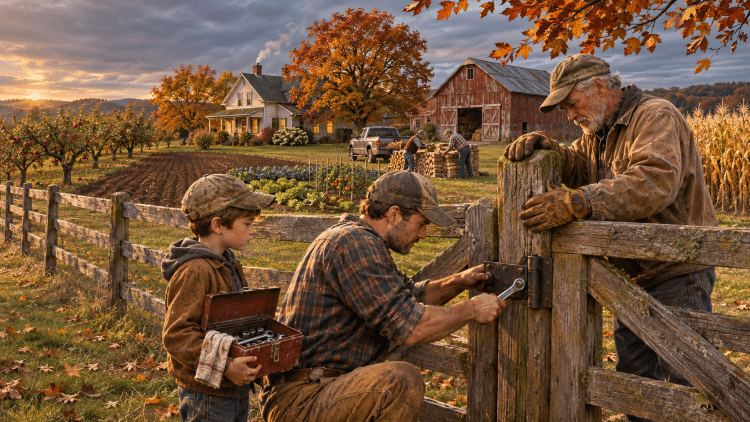
Yet even revolutionary governments have to eventually administer what they’ve seized. Somebody must plant, repair, teach, and keep the books. Even a new gate eventually needs the same old hinge tightened.
The young enthusiast who welcomes revolution because ordinary life seems boring is voting for permanent spring. He imagines upheaval the way a foolish suitor imagines marriage: excitement without obligation.
Forty years later, the deepest satisfaction comes from promises kept through brutal seasons.
That’s the harvest.
A Life Worth Writing Down
Growth alone never makes a biography. Second teeth and school grades belong to development; they don’t explain what a person stood for.
Biography takes shape when somebody answers a call and risks his name.
Carl Schurz was a young revolutionary when he helped his teacher, the poet Gottfried Kinkel, escape a Prussian prison. He later came to America and became a United States senator.
His life bore the marks of commitments made before success was assured. Pretty darn important.
Too many Americans want the recognition without the risk: a place in Who’s Who, a comfortable standard of living, and an installment plan that never demands to know what they’re living for.
Leaving Home to Cleave
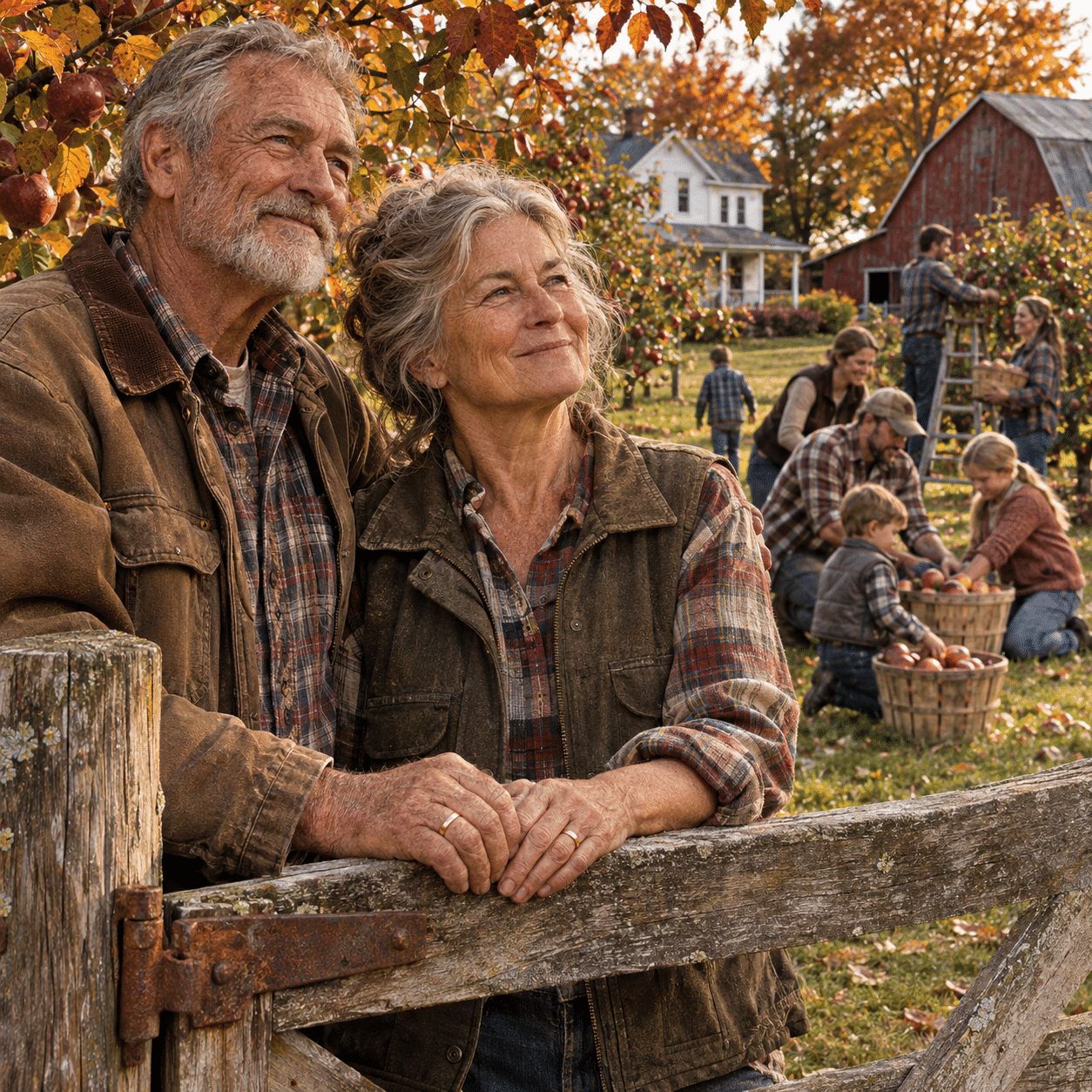
Raising kids is often described as teaching independence… freedom from home, routine, and inherited mistakes. That’s half the lesson, and the lesser half.
Detachment matters because it makes a new attachment possible.
Your parents’ work bears fruit when they’ve given you enough strength to bind yourself faithfully to something beyond their household. That’s part of honoring your mother.
You honor her; you don’t remain a child beneath her roof forever. Her love becomes something you carry through the gate, ready to build a household of your own.
What Will Your Life Bring Forth?
“Fruitful” is a word worth setting beside Cotton Mather and the demanding Puritan world he served. Whatever judgment we make of that world, the word itself confronts us with a question that comfortable people would rather dodge: What will your life bring forth?
We need that question because prosperity can disguise barrenness. A country can overflow with possessions while running short of people willing to love, build, and shoulder responsibility.
Even religious seriousness can turn suspicious of the very powers it should discipline and bless: marriage, desire, children, and the courage to bring something into being.
Learning can become another hiding place. A man may polish his arguments until they shine and never give himself to anybody.
A Farm Tells the Truth Eventually
Cleverness can wreak the same damage on the land. Ask what became of his former farms, and perhaps the answer is exhausted soil, stripped timber, and somebody else’s trouble.
He may have been praised for getting all he could out of them. But a farm tells the truth eventually.
Taking everything out and putting nothing back is a way of leaving the future hungry.
Fruitfulness has its fences. Children need sheltered years to grow… adult appetites and responsibilities shouldn’t be forced on them before they’re ready.
The Old Have Their Claim, Too
Older folks have their claim on us, too. A person may be past founding a household and still have friendship, counsel, affection, and blessing to give.
Picture a man of ninety-one, blind and nearly deaf, offering friendship with a boy’s warmth. Could we receive it, or would we shuffle past?
Meanwhile, we’ve grown so uncomfortable with death that dying at home can strike a neighbor as indecent. Sometimes institutions provide necessary care.
But putting age out of sight won’t teach us how to honor it.
Old age becomes harder when the rest of us refuse adulthood.
Suitor and Father
Inside a man’s life, two callings often overlap. The suitor expects, proposes, and wonders whether the next meeting might answer the heart’s desire.
The father fulfills, stands by, and accepts the weight of a household’s needs.
These aren’t rigid birthdays on a calendar. A teenager caring for a child can practice fatherly responsibility; an old man can still meet the world with expectation.
Courtship itself teaches something crucial. You have to offer yourself and then wait for an answer. Easy to say, hard to do, right?
But the truth is, you can’t command another person’s heart.
When Somebody Else Takes Charge
The playboy refuses to cross over. Conquest follows conquest, yet he remains detached because no promise becomes a settled responsibility. His courtships fail to mature into faithful care.
And here comes the hard political lesson: a country that won’t practice responsibility leaves room for somebody to gather it into his own hands.
The father-figure promises protection, direction, and relief from difficult choices. Dependence grows where grown people abandon their duties.
Dictatorship exploits that vacancy.
If families and communities won’t shoulder responsibility, somebody hungry for power will gladly offer to carry it.
Every Field in Its Season
So work your four fields through their seasons. Grow, but don’t mistake growth for a finished life. A fence post can stand in the shed for years and remain in excellent condition.
Listen when you’re called, make your commitment, stand by it, and spend your strength building what that promise made possible.
The protection and borrowed time you’ve received—the schooling, the sheltered years—were never meant to become your permanent address. They were simply the seedbed.
Eventually, something must leave that sheltered ground and take root where wind and weather can reach it. The question reaches beyond what you got from those years. What will others receive and benefit from because you were given time and a safe space for a while?
Be fruitful. It’s a word worth carrying through every season… and dying with on your lips.