 Print
Ten Simple “Threat Checks” Before Winter Puts Your Backup Plans To The Test
A Plain English Look at Power Trouble Rising Costs and the Backup Plans That Can Keep Your Family Going
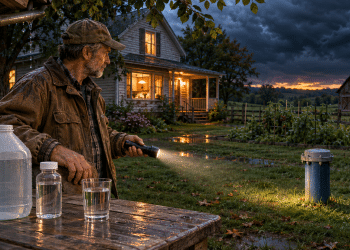
Out here, trouble rarely knocks politely. It shows up after dark, when the wind is rattling the porch screen, the furnace has gone quiet, and somebody discovers the flashlight batteries went into a grandchild’s toy last Christmas.
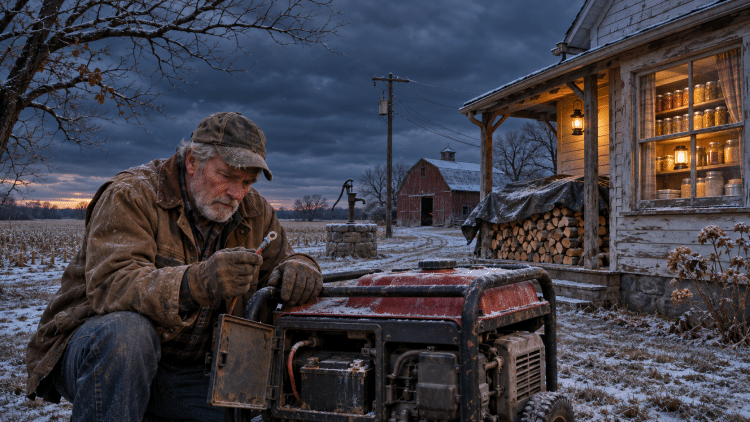
Here’s the catch. Usually, the trouble itself isn’t what sinks you. It’s finding out how little room you had to spare. A nearly empty fuel tank, a pump that needs electricity, and a generator that hasn’t run since spring can deliver a nasty surprise. Suddenly, an ordinary outage turns into a long, cold evening.
Now, with roughly seven weeks left in 2026, there’s still time to walk your place and shore up the weak spots. Think of that calendar as a nudge to get moving. It doesn’t mean ten disasters are lined up to strike before New Year’s.
Still, several pressures are real: tighter power supplies, strained diesel markets, drought, vulnerable water systems, and the steady squeeze on household budgets. You don’t need a crystal ball to see why a little breathing room would help.
You need a plan that’ll work when something doesn’t.
#1 The Hidden Squeeze Behind Your Electric Meter
Start with the wire running to your pole. The regional grid operator called PJM serves more than 67 million people across 13 states and Washington, D.C. It’s been warning that electricity demand is growing faster than new supply.
In its 2027–2028 capacity auction, the price reached the approved ceiling of 333 dollars and 44 cents per megawatt per day. More telling, the resources secured fell short of its reliability requirement. In plain English, that’s a warning about the supply cushion planners want for the future. It doesn’t tell us your lights will go out tonight.
Meanwhile, PJM’s annual report describes tightening supply and rising demand across successive auctions. Data centers are part of the demand story, but a capacity price isn’t your whole electric bill, and it doesn’t translate into the same increase for every household.
Now, bring that back to your own place. What stops working when the meter stops turning? Test your backup under the loads you actually need, including the refrigerator, well pump, and any essential medical equipment. If someone depends on medical equipment, ask about your utility’s medical-needs registry. It may help with planning or notices, but it can’t guarantee steady power or that your home gets restored first.
#2 A Full Fuel Tank Can Hide a Nasty Heating Trap
Next, look at the furnace. A full propane tank is comforting until you remember that the blower, thermostat controls, or ignition may still need electricity. Some pellet stoves and other heating systems have the same catch.
Before you call the house ready, hunt down that blind spot. Have heating equipment serviced, clean the chimney when appropriate, test smoke and carbon monoxide alarms, and choose a backup heat source installed and used according to its instructions and local requirements.
Just as important, respect the exhaust. Ready.gov’s winter guidance warns against heating with a cooking oven or bringing outdoor combustion equipment inside. Run a portable generator outdoors, at least 20 feet from doors, windows, and vents, with exhaust pointed away from buildings; never run it in a garage, even with the door open.
Then decide when you’ll leave for a warm place if the house keeps cooling. That decision is easier at the kitchen table than at two in the morning with numb fingers and a stubborn streak.
#3 Diesel Costs Can Take a Bite Out of Every Delivery
Of course, keeping your own lights on is only part of the story. Diesel moves the trucks that deliver groceries, the tractors that work the fields, and much of the equipment that keeps a rural economy moving.
The International Energy Agency’s October 2026 oil report described severe pressure on diesel markets following supply disruptions tied to the Middle East conflict. It also reported a fragile recovery in Gulf oil flows. In other words, supplies are moving, but the recovery’s still vulnerable. Don’t bet the household budget on one exact pump price.
Even when crude prices ease, freight and heating costs can take longer to settle. If you live a good stretch from town, you know how that works. The extra expense sneaks into the grocery bag, the fuel bill, and the next delivery.
So combine errands, keep your vehicle comfortably fueled, and arrange heating-fuel deliveries before a cold snap crowds the schedule. If you store extra fuel, use approved containers, follow local limits and equipment guidance, and keep it away from living areas and ignition sources. Stabilizer doesn’t turn gasoline into something that lasts forever.
#4 Keep Washington’s Debt Trouble From Wrecking Your Own Budget
Meanwhile, Uncle Sam’s ledger deserves a hard look. The Joint Economic Committee’s November debt update put gross federal debt at 40.55 trillion dollars on November 4. That’s an enormous load, even before anyone argues about the next budget.
Here’s where the financial mumbo-jumbo gets confusing. Total federal debt, the debt counted under the legal borrowing limit, and the Treasury’s ability to keep paying bills are different things. A borrowing-limit confrontation also differs from a government funding shutdown. You can’t calculate a dependable default date by subtracting two headline numbers.
And don’t let a confident prediction about next week’s mortgage rates stampede you into a rushed decision. Rates respond to several forces, and nobody can hand you a dependable timetable for the next sudden jump.
Instead, put your own numbers on the kitchen table. Know when adjustable payments can reset, compare borrowing costs carefully, and protect an affordable fixed payment when it fits your situation. Before taking on another monthly obligation, ask how it would feel during a temporary loss of income. Washington’s balance sheet may be out of your hands; next month’s commitments deserve a closer look.
#5 Don’t Let a Dry Spell Catch Your Water Supply Short
Then there’s water, the essential most folks notice the moment it disappears. A pantry full of beans offers limited comfort when you can’t fill the cooking pot.
NASA’s report on Lake Powell describes record-low levels in August 2026, after a winter short on snow and a spring that failed to refill the reservoirs. The Colorado River supports water supplies and power for more than 40 million people, along with millions of acres of farmland. Those conditions matter, although a western reservoir level doesn’t tell you what your own well will do tomorrow.
If you’re starting from scratch, CDC recommends storing at least one gallon per person per day for three days. Build toward a longer supply when practical, and account separately for livestock, pets, and additional medical or household needs.
If you use a well, check the pump’s voltage and how much power it needs to start before counting on a generator. Then test the arrangement safely. A machine that runs a lamp may still fail to start the pump that supplies your whole place.
#6 The Water Can Quit Even When the Reservoir Is Full
Unfortunately, drought isn’t the only way a water system gets into trouble. In July 2026, CISA warned about attacks on water-system controllers that locked out operators and led to boil-water notices and forced operators to keep systems running by hand for extended periods.
That makes stored water useful even where the creek is running and the reservoir looks fine. Follow your water supplier’s notices, and keep a way to receive local alerts when your phone or home internet isn’t cooperating.
But here’s an overlooked detail. You need to know what the filter on your counter can actually remove. A gravity filter isn’t automatically effective against every germ, and boiling doesn’t remove fuel, heavy metals, or other chemical contamination. Follow the instructions for the specific emergency; a do-not-drink notice calls for different action than a boil-water notice.
At home, update router software, use strong unique passwords, and replace devices that no longer receive security updates. Those habits help protect your own equipment. They don’t repair the utility’s defenses, so keep your household water backup ready anyway.
#7 One Forgotten Part Can Stop Your Whole Backup Plan Cold
Next, consider the little things that can stop a big machine. A failed switch, fuse, belt, or battery can leave useful equipment sitting there like an expensive lawn ornament.
The U.S. Geological Survey’s mineral summaries track the supply chains and import dependence behind materials used in modern equipment. For you, the useful move is to figure out which parts keep your essential machines running. An overseas restriction doesn’t automatically mean the local parts counter will be empty tomorrow.
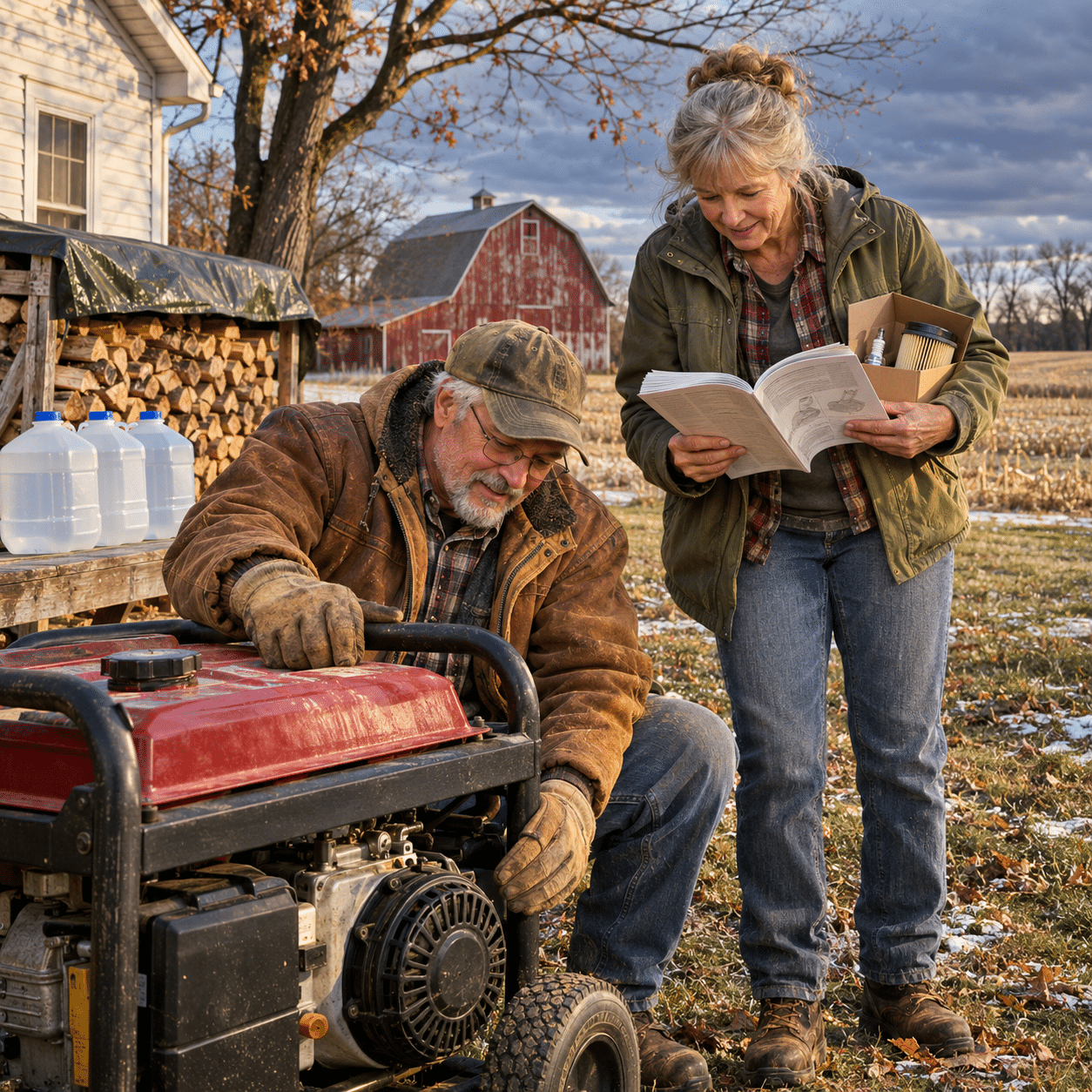
Check model numbers, service intervals, and consumables. Keep a modest supply of the correct fuses, filters, and other routine replacement items, along with printed instructions. Buying a bargain box of parts that fit nothing you own is just a different way to run out of room in the shed.
Now, give your medicines the same close attention. The FDA’s drug shortage information explains that manufacturing problems, delays, and discontinuations can interrupt supplies. Ask your pharmacist about timely refills, a 90-day supply when appropriate and permitted, and safe alternatives if a drug becomes unavailable. Make a separate outage plan for medicines that require refrigeration; don’t change doses to stretch a bottle.
#8 Your Insurance Envelope May Hide an Expensive Surprise
Meanwhile, open that insurance envelope before it becomes part of the kitchen counter landscape. A higher deductible, changed exclusion, or nonrenewal can leave you exposed even when you’ve paid faithfully for years.
The National Association of Insurance Commissioners’ homeowners guidance stresses the value of a home inventory. Walk through the house with your phone, photograph possessions and serial numbers, and keep a copy somewhere you can reach if the house itself is damaged.
While you’re at it, ask specific questions about the barn, outbuildings, tools, stored supplies, and any business activity on the property. Don’t assume a standard homeowners policy covers the entire homestead the way you picture it. Check replacement-cost terms, roof coverage, and deductibles before comparing premiums.
If a nonrenewal arrives, start shopping promptly and contact your state insurance department for guidance. Here in Illinois, the Department of Insurance explains homeowners nonrenewal protections. The details depend on your policy and circumstances, so read the notice rather than relying on the neighbor’s version.
#9 Your Emergency Money Needs to Be Within Reach
Beyond higher bills, a household can get caught when income slows or savings aren’t readily available. Your employer doesn’t have to close permanently for a missed paycheck to cause trouble.
Some investments limit withdrawals or are difficult to sell. The SEC’s investor guidance on private placements explains why those investments can be highly illiquid. The crucial question is simple. If you needed that money next Tuesday, could you actually get it?
So build an accessible emergency cushion as your budget allows. Keep a modest amount of small bills secured for a short payment-system outage, while maintaining the rest of your emergency money somewhere appropriate, accessible, and protected.
Then run a plain household drill: Which expenses could you postpone if income stopped for a few weeks? Knowing the answer ahead of time beats making every decision under pressure.
#10 Protect the Flock and Keep Wild Rumors Outside the Fence
Finally, keep an eye on the flock without letting every alarming post run the farm. Bird flu remains a real concern for people handling birds or cattle that may be infected, but exposure risk and general public risk aren’t the same thing.
A November 9 European Centre for Disease Prevention and Control update reported a fatal Washington H5N1 case and described the greater risk associated with infected animals. The same update said the CDC still considered the risk to the general public low. If you handle animals, pay attention to your own exposure without assuming everybody faces the same danger.
For your place, reduce contact between domestic birds and wild birds, protect feed and water, and contact your veterinarian or animal-health officials about unusual illness or deaths. CDC explains how bird flu spreads, including through infected animals and contaminated environments. Don’t handle sick or dead birds barehanded, and seek medical advice if you become ill after contact with a sick animal or a contaminated area.
Likewise, check the date, location, and original source before passing along a dramatic claim. Keep vaccination records, essential contact information, and basic first-aid supplies together. A frightening video can travel across the county faster than a feed truck; that doesn’t make its caption true.
Give Your Homestead Some Breathing Room Before Trouble Shows Up
Here’s the best part: You don’t have to solve ten national problems to make your own household harder to knock over. You can store water, test the pump, arrange safe heat, check refills, and open the insurance mail.
Start with a walk through the house and outbuildings. Ask what fails first without electricity, what you’re nearly out of, and where you would go if staying home became unsafe. Then tackle the most urgent fixes you can afford. That shiny piece of equipment can wait if the real weak spot is an empty water shelf.
Before the weekend ends, write essential phone numbers and your local radio station on a card. Keep one by the door and one in the vehicle, and talk with a nearby neighbor about checking on each other.
No, a little preparation won’t make the world behave. But it can keep a broken part, a cold night, or a delayed delivery from taking the whole homestead down with it.
That’s breathing room worth having.