 Print
Print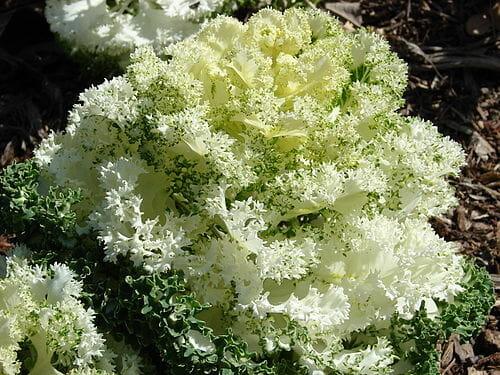
Old Man Winter generally arrives pretty late in my neck of the woods. Although the nights are starting to get a bit chilly here in North Carolina, I’m still growing some healthy root vegetables and a variety of greens in my survival garden.
One of my most eye-catching crops during the cool weather months just happens to be one of my favorite eating greens this time of year. Kale comes in a variety of interesting sizes, shapes, and colors. Adding a wide selection of kale to your cool weather garden can give it a look that will stop your friends and neighbors dead in their tracks as they wonder what the heck you’ve got growing in there.
Curly kale is probably the best known kale. If you’re not growing it yourself, you’ve probably seen it at farmers markets or grocery stores. Like its name implies, it has ruffled leaves and sometimes looks like a deep green head of exotic lettuce that needs ironing.
 In the past few years or so, ornamental kale has become pretty popular. You can find varieties that have green, purple, or even white leaves. The stalks of these plants tend to grow together to form a loosely knit head. While mature curly kale has a distinct pungent flavor with some peppery notes, ornamental kale tends to be more tender and mellow.
I imagine dinosaur kale gets is name from the look of its large, dark green leaves. These impressive green monsters grow pretty wide and have the type of pattern I suspect your local T-Rex would have been sporting back in the days when they were still alive. Dino kale has a slightly sweet, nutty flavor and retains its texture well when cooked.
No matter what type of kale you prefer (and I like all of the three I just mentioned), kale packs about the best nutritional punch you can get from your garden.
One cup of kale might only have 36 calories, but it brings 5 grams of fiber, 40 percent of your daily requirement of magnesium, 180 percent of your necessary vitamin A, 200 percent of your vitamin C, and a whopping 1,020 percent of your vitamin K. As if that wasn’t enough to bring to the table for less than 40 calories, kale also covers 15 percent of your calcium and B6 requirements and is a good source of iron, potassium, phosphorous, copper, and manganese.
A pretty impressive payload, indeed!
This is probably a good spot to mention the benefits and potential problems of kale’s intense quantity of the potent antioxidant vitamin K. According to a study published in the American Journal of Clinical Nutrition, a diet rich in vitamin K can reduce the overall risk of developing or dying from cancer. Other studies have shown that vitamin K is an essential factor in bone health and proper blood clotting.
That said, some folks might have some trouble with the high quantity of this essential vitamin that a small amount of kale will provide. Anyone taking anticoagulants should avoid kale because the vitamin K content could interfere with the drug. Kale also contains oxalates, which some studies indicate may interfere with calcium absorption. Despite the fact kale contains a good quantity of calcium, nutritionists recommend that you avoid eating calcium-rich foods at the same time as kale. So, a word to the wise— stay away from kale a la mode or kale au gratin if you are concerned about being calcium deficient.
Kale is best grown in cool weather. The warm, sunny days that cause other crops to thrive tends to produce withered, bitter kale. In contrast to those veggies, kale actually likes a touch of frost. From my experience, kale harvested after the first frost has a sweeter flavor.
When you’re growing any variety of kale, you want to pick an area with full sun. I’d recommend enriching the soil with compost and adding a good quantity of a naturally balanced organic fertilizer like Protogrow. Kale tends to taste best when it grows quickly, so I usually spray mine with Protogrow about every other week to encourage them to achieve their tasty peak.
You want to sow your kale seeds about a quarter to a half-inch deep, about an inch apart in rows, and two feet apart. As the seedlings pop up, thin them out a bit to give them extra room to grow. Keep the soil moist but don’t drown it, as kale germinates pretty well with even moisture.
Once your kale gets going, you can pluck off leaves for salads or garnishes as long as you leave the bud intact to grow more leaves. Of course, if you’ve got a long spell of frozen weather in the forecast, you’ll probably want to harvest your kale in one cutting and store it.
Fortunately, kale freezes well, so you can have a lot on hand as long as you’ve got electricity to run a freezer. If you are storing it in a refrigerator, place your nutritious leaves in a plastic storage bag and remove as much air as possible. Don’t wash those tasty treats before packing them in the storage bag, because exposure to water will cause your kale to spoil pretty quickly. Don’t store your kale for more than five days in the fridge because it will start to become bitter. Eat it or freeze it; personally, I prefer to eat it.
Raw kale works well in salads. When steaming kale, it becomes good and tender at about the five-minute mark; much more than that tends to drain the flavor and most of the nutrients. Braising it with some apple slices and tossing in a few walnuts and balsamic vinegar is one of my favorite ways to serve kale this time of year. Experiment a bit, and I’m sure you’ll discover plenty of ways to add this nutritional powerhouse to your diet and delight your palate along the way.
I hope that my friends in mild climates are also enjoying their kale harvest this season. If you didn’t plant any this year, make sure you plant some next fall for some fantastic cool-weather eating. If you happen to live in an area where winter arrives early, plant a kale crop in late September or early October to make sure you get all the healthy benefits of this sterling cool-weather crop.
©2011 Off the Grid News