 Print
Print
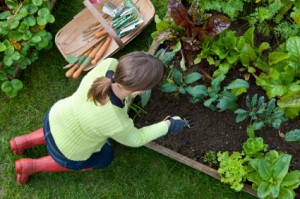 If you’re considering a food garden as part of your long range emergency preparedness plans, the number one piece of advice you need embrace is: “Do your research.” The rules for successful gardening are very much local. Even the best gardening books may not be of much help unless there are detailed guidelines for each region and micro-region. Soil types and weather can vary from one county to the next and plant foods that thrive in your neighborhood may struggle on the other side of town.
The best research can be found at your local nursery or visit the local farmer’s market and strike up some conversations with the farmers. Local newspapers often run features on gardening with seasonal tips. Surfing the web, I found several sites and blogs of local farming and gardening experts offering tips and advice for starting a garden in my county.
When starting your food garden, there are three key components that need to be well-researched so that, before you lift your shovel, you are assured of optimizing your time, energy and money.
Know Your Top Soil
This most basic of garden components can mean the difference between a lush, bountiful food supply and a plot of wilting stems that resemble over-grown weeds. Have a local expert conduct a soil check, down to three feet, to determine if it has the right pH balance of acidity and alkaline. A proper soil pH is necessary for plants to be able to utilize the important nutrients nitrogen, potassium and phosphorus. You can Google “how to test soil” for ways to do this yourself.
You’ll also need to check the composition to know whether your soil will absorb and hold the right amount of water for your plants. You can have a soil expert do this or do it yourself by searching for “how to check soil composition” on the net.
For those who are willing to fork out a little extra dough in order to get it right the first time, an investment in quality top soil is, perhaps, the easiest route. Top soils, especially those that are produced locally, contain the optimum pH balance and composition, but it needs to be deep enough to support the deep root systems of many food plants – as much as 3 feet.
Choose Food Plants Wisely
It’s not difficult to figure out why grape plants blanket the California landscape but are not to be found in Idaho. Soil composition, weather, and water sources are all essential components for determining the viability of food plants in any region.
In addition to the soil, understanding how plants react to the local weather patterns as well the water source is critical to choosing the right food plants to grow.
Researching local growers of plant foods is critical in order to save time, money and frustration. The safest best is to grow what they grow assuming you can match their soil and water resources.
Garden novices may want to limit their first attempts to low-maintenance plants. If you have upgraded your top soil, you might find some success with higher maintenance plants, even on your first try. Regardless, for each food plant you are considering you will need to remember five key factors:
- Soil requirements
- Plant spacing (important if you’re trying to pack a lot into a small plot)
- Sun requirements
- Indigenous (best to stay with plants that grow in abundance at local farms)
- Water requirements
It’s in the Water
As food gardens go, water can kill. No kidding. Water-related stress can wipe out a whole garden. Over-watering and under-watering are the bane of any novice gardener. Many food plants have their own particular requirements, which is why the garden needs to be divided into sub-plots. If you tried to water carrots like you water tomatoes your bunny will go hungry.
It’s in the watering that your vigilance is required. Especially in the first stages of your garden, you may need to check on your plants daily to see if they are getting the right amount of water.
Again, your best resources are plant food books (with regional specifics), local farmers, and Google for local sites and blogs on food gardens.
Your ultimate resource for constructing and growing the optimum food garden is to look for the house in your neighborhood with the huge corn stalks poking above the fence line and check out their garden. If you see a large plot with tomatoes, corn, lettuce, berries and fruit trees, bring them a basket of goodies and ask them if you can check out their garden.
Other articles in this issue:
If you liked this article you may be interested in this product from our sponsor.