 Print
Print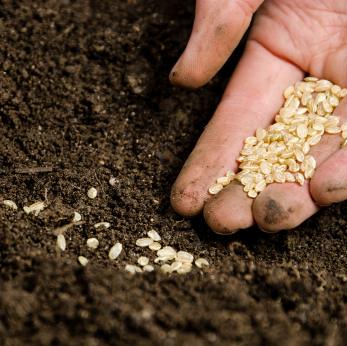
 You’ve likely got most things taken care of in the garden and most of your garden tools put away for the winter. If you haven’t done so already, now is the time to begin thinking about what you want to grow next year! Here are some tips to help you decide what you should grow.
On Your Mark: Records For Remembering
It’s always a good idea to keep some sort of record as to what did well in your garden from year to year, as well as what didn’t do well. Here are some things to consider from each of the categories.
What Went Well: What To Keep
Hopefully, as you garden year after year, you are able to have some successes to place under your belt and use another time.
Did some veggies do better this year than in previous years? If so, why do you think that is?
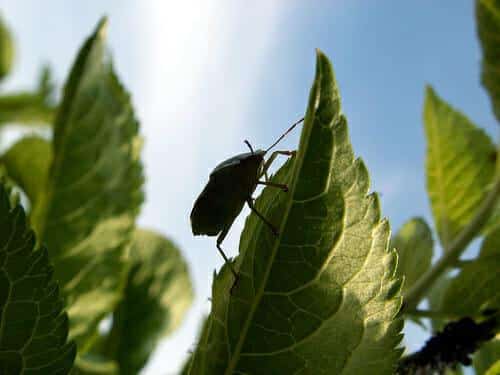
Did the squash variety you planted this year do a better job of resisting squash bugs?
Did you have a bumper crop of bell peppers? If so, what might you have done differently than in other years?
Realizing that some things, such as weather, are not in our control, it is still good to take note when things do well. It could be that you planted plants that did well next to friendly neighboring plants. It could be that you planted that plant in an area of the garden that had more organic matter incorporated into the soil. Or, it could be your blood, sweat, and tears as you faithfully weeded around and fertilized your beloved plant, desperate for it to thrive. Whatever the case, take note of the successes (and your speculations as to “why”) in a notebook for future reference. This way, you can page through it during your planning process and it should help you to have more success in the gardens of your future.
What Didn’t Go So Well: What To Change
Similar to writing down what has gone well in your garden from year to year, it is also helpful to take note of what did not go well so that you can make changes in the future.
Did the cucumbers succumb to some sort of leaf fungus?
Did the cabbages split?
Did your tomatoes turn black on the bottom just as they were beginning to ripen?
Did the bean beetles gobble up your beans and leave only the skeletal remains of your plants in a short time?
These are just a few issues that you will want to take note of so that you can work towards addressing the issues as you plan your future garden. Some of the issues may have to do with the soil the plants are growing in, or they may be attended to with various treatments, but you can also address many of your plant problems by planting seeds that have a natural resistance to issues you may be facing. Do some research and try another variety and see if it does better in your garden.
Get Ready: Finding Your Seed Sources
If you don’t already have a list of your own favorite places to get seeds from, it’s high time you did that. What else is a gardener supposed to do on snowy evenings, other than peruse seed catalogs and dream about what their gardens will look like come summer?
All kidding aside, unless you save all of your own seed, you will have to find seeds somewhere to plant this coming year. Since you are reading this article, you no doubt have access to the Internet and the many seed catalog companies’ websites. This can be a great resource, especially when you are seeking out a specific variety for your particular situation. A quick Internet search can find for you a variety of squash that is resistant to squash bugs (for example, Waltham Butternut) or a green bean that resists those pesky bean beetles for at least a little while before they finally give in to the beast (my favorite is Royal Burgundy Bush Bean, although I find other purple beans to have a similar resistance).
I personally like to get my hands on a physical copy of the seed catalogs if I can. Some seed companies, such as my favorite seed catalog from Heirloom Solutions, actually run out of catalogs for the season, and they need to be requested early if you expect to get them.
And, if for some reason you don’t want to order online or through the mail, you can still get seed from your local stores. You won’t have the varieties to choose from like you would from a catalog, but you can usually still find plenty of decent varieties.
If you find a variety that you love and it’s an heirloom, don’t be afraid to save your seeds and use them for next year’s planting. You don’t have to be reliant on the yearly catalog or a yearly jaunt to the seed store to have seeds from year to year. (Though I do like to experiment with new-to-me things each year if I can…)
Get Set: Plot Your Planting Plan
It is a good idea to have a rough idea of your planting space and how much you can plant in that area and not be too crowded. It is also a good idea to map out what will be planted at which locations in your garden (think companion planting) and to get enough seed to plant as much as you want to plant. I have had the unfortunate experience of having a long row of one thing and then running out of seed for the companion plant. It wasn’t the end of the world, but I would have liked the planting to be uniform.
When comparing seed prices from company to company, don’t just compare the price per packet. Instead, get a much better comparison by comparing the price per ounce of seed (or whatever unit it is sold in). You might find that the “more expensive” seed is actually sold in much greater quantity per packet. This may or may not work for you, depending on how much you plan to plant, but I figure I can always save the seed for an emergency planting (such as if the groundhogs decimate the whole row of beans), give them to a friend, barter with them, or set them aside for future use.
Go!
Once you have made your seed purchases for the coming spring, you will have a bit of time where you can sit back and relax—just a bit, though, because before you know it, the dirt is going to be calling your name and the gardening cycle will be ready to start up again! Enjoy this short lull in the cycle of plant life and allow yourself to rejuvenate a bit, for before you know it we will be at it again!
Part of the fun of gardening is getting to decide what seeds you are going to be planting from year to year. Have fun with the process. Once you’ve ordered your seeds, the next fun part of the process is getting the garden ready, planting the seed, and waiting with trepidation for those first wee sprouts to pop up from the earth.
I am looking forward to seeing what this next year of gardening brings about. How about you?
©2012 Off the Grid News