 Print
Print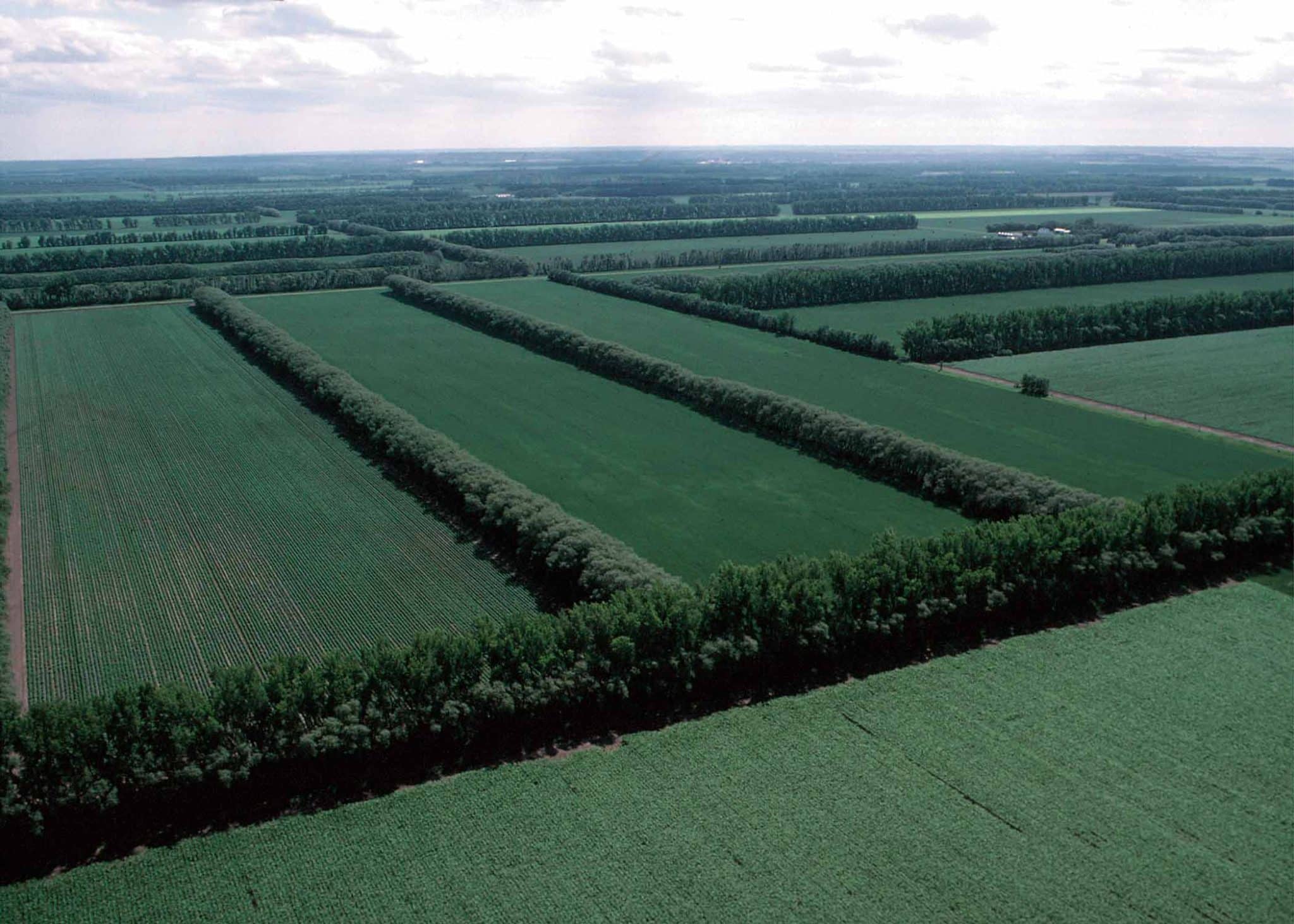
 The low plains of southeastern Idaho where I grew up were marked by fierce winds year-round and blowing snow in the winter. Most farmers planted some sort of wind break around their property. Wind breaks offer protection from the wind and blowing snow. Houses stay warmer in the winter and cooler in the summer, cutting energy costs by as much as 20 to 40 percent, according to the University of Missouri Extension. If you live near a busy farm road, windbreaks can reduce traffic noise. The windbreak growing behind my home on the eastern plains of Colorado offers privacy and shelters many forms of wildlife.
But planting a windbreak involves more than just popping a few conifers or fast-growing poplars into the ground. Planning an effective windbreak requires three elements:
- Determine your purposes for the windbreak and choose an appropriate design.
- Determine the length and location of your windbreak.
- Select trees that are native or adaptable to your area.
Determine Your Purpose
First, determine your purposes for the windbreak. A light windbreak helps prevent soil erosion and reduces snow blow. For this purpose, you need a windbreak with one row of deciduous shrubs and one row containing a mix of deciduous shrubs and trees. A moderate windbreak is best if you want to reduce blowing wind and snow. Plant this windbreak with three to five rows. The row nearest the house should include shrubs and smaller trees. The next rows should include medium-sized evergreens, while the last row or two should include medium to tall deciduous trees.
Finally, a strong windbreak offers wind and snow protection for livestock. This windbreak is also most effective for attracting wildlife. Plant no more than ten rows, using a model similar to the one above: two rows of shrubs and smaller trees, three to four rows of medium-sized evergreens, and three to four rows of moderate to tall deciduous trees.
Determine The Length And Location Of Your Windbreak
Next, determine the most effective location to place your windbreak. If you want a privacy screen, your windbreak will be determined by the area needing screening. However, if the purpose of the windbreak is to control snow, wind, and soil erosion, consider the prevailing winter winds in your area. In most areas, prevailing winds come from the north or northwest, in which case you’d build the windbreak on the north or northwest sides of your homestead.
Depending on the layout of your property, build the windbreak in an L, U, or E shape. One long line won’t offer the same protection from the wind. On the other hand, don’t completely enclose your property. Doing so will cut off air flow, which is important during the summer months, especially if you have livestock.
New Natural Fertilizer Gives Maximum Plant Growth In Minimum Time!
Don’t plant windbreaks near water sources, manure piles, or old feedlots. Consider overhead power lines as well when choosing a location. Windbreaks planted too closely to your home and other structures will reduce the windbreak’s effectiveness. Instead, plant windbreaks at least fifty feet from your house and at least 100 feet from barns and other outbuildings. Wind and snow can whip around the ends of the windbreak, so be sure to plant trees fifty feet beyond the area needing protection.
Select Trees That Are Native Or Adaptable To Your Area
Once you’ve planned the windbreak, it’s time to select trees and shrubs. Your first task will be to determine which trees are appropriate for your area. Talk with other homesteaders about the trees they’ve used in their windbreaks or consult a county extension office. Native trees and trees with a long track record of success in your area are good choices. You’ll also want to consider the trees’ resistance to disease and insect pests. Fast-growing trees such as poplars provide shelter quickly but are also more prone to branch breakage and early death. Use these trees sparingly in your windbreak and plan to replace them as they die. Common evergreen choices for windbreaks include Techny arborvitae, white spruce, Colorado spruce, Douglas fir, Jack pine, and European larch. Deciduous trees include cottonwood, bur oak, white oak, hackberry, black cherry, sugar maple, black walnut, and sycamore. Shrub choices include ninebark, lilac, hazelnut, highbush cranberry, and arrowwood.
Plant a variety of trees and shrubs in your windbreak. This practice makes an attractive, diverse planting and also ensures that if one tree species suffers disease or loss, your entire windbreak won’t be wiped out.
When it comes to spacing the trees, more space is better. Space rows of shrubs and small trees at least fifteen to twenty feet apart, while rows of larger trees need to be at least twenty-five to thirty feet apart, depending on the anticipated mature size of the trees. This increased spacing reduces the windbreak’s effectiveness during the first few years, but it ensures healthy trees and quick growth. Stagger the trees in the rows to increase wind protection. Keep in mind also that during the early years of your windbreak, small, immature trees will provide good protection near the ground. As the deciduous trees grow, though, the area near the ground will become more exposed. Rely on bushy shrubs and evergreens to fill these gaps.
Planting And Maintaining Your Windbreak
If you need a small windbreak, you can probably plant bare-root or B and B (balled and burlapped) trees and shrubs, but for larger windbreaks, seedlings are the more economical choice. These plants are available through private nurseries, as well as many university extension offices, and cost as little as $1.00 per tree. Although young seedlings take longer to grow, the trees are often healthier because they developed their early root system on site.
Plant bare-root trees as soon as you get them, if possible. If the roots dry out, the trees will die. Soak the roots in water for several hours before planting. Dig a hole wide enough for the roots to spread out and firm the soil gently around the roots after planting.
If you’re planting young potted seedlings, simply dig a hole deep enough to accommodate the roots and plant the seedling. Plant seedlings at the same level as they grew in the nursery, or perhaps one inch deeper. Planting them too deeply will kill them. Water in both bare root and potted seedlings immediately after planting and keep the soil slightly moist during the first growing season.
Use mulches to control grasses and weeds and keep the area beneath the tree bare since vegetation competes with young trees for nutrients and water. Do not apply fertilizer at planting time or during the first year. In fact, unless your soil is very poor, the trees in your windbreak will likely never require fertilizer.
It’s common for unwanted trees to grow up in your windbreak. Birds carry in seeds and you may soon find mulberries, chokecherries, or other trees amidst your planted trees. Remove these trees as soon as you spot them. Prune out dead and diseased limbs each winter and treat diseases and insect pests promptly.