 Print
Print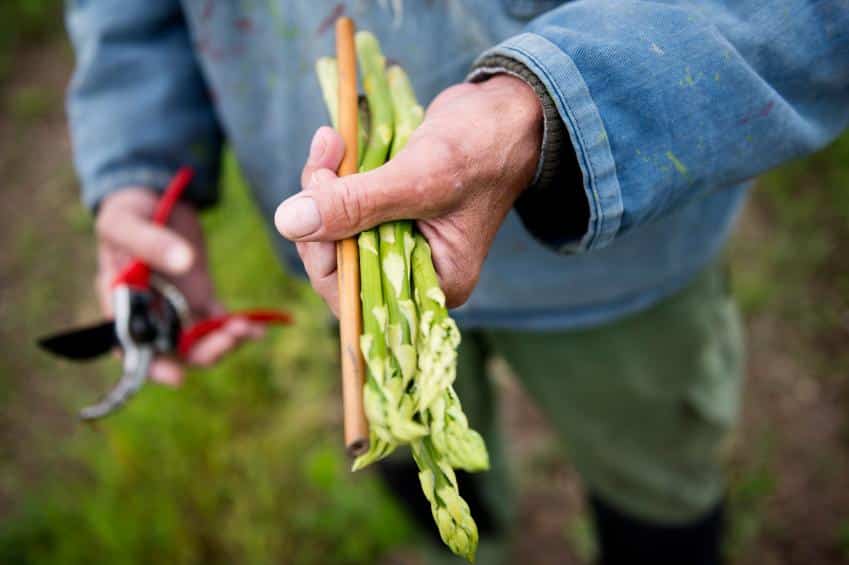
Asparagus is a delightful, nutrient-packed vegetable that many people are not able to enjoy due to the cost. In the produce section of your local supermarket, you will probably find that asparagus is a pricey vegetable when compared to tomatoes, broccoli, and other vegetables. However, you do not have to deprive yourself and your family of this tasty green stalk, as you can grow your own.
Asparagus harvested from your personal garden is much tastier and much less costly than what you would find in the produce section or the local market. It is even better than the asparagus you eat at your favorite restaurant. One taste of fresh asparagus harvested from your own backyard should be enough to convince you that homegrown is the best. Asparagus that is freshly grown is not only delicious and nutritious; it is also simple to grow.
Asparagus is a perennial. This means that once you plant it, it will come back every year. In fact, it is not uncommon for one asparagus planting to continue to produce for fifteen or twenty years. You will not have to worry about having to replant asparagus for a long, long time. However, it is worth noting that the first two years will not produce much asparagus. You will get a little growth, but nowhere near what you expect, and what little there is should not be harvested. After the first two years, you will most likely harvest more than you can eat.
Test Your Soil
Before you start your asparagus planting, you should have your soil tested. You can contact your local County Extension office and have them send you the test packet. They will test your soil for you. You can also purchase a test packet at most lawn and garden stores.
Asparagus is best suited for deep, well-drained, sandy loam soils. Soil pH should be between 6.5 and 6.8 and checked periodically to ensure that it remains in this range. If your soil test shows that you have a low pH, you can add lime, hardwood ash, bone meal, crushed marble, or crushed oyster shells to bring it up. You should add these slowly, over a period of days, and test the soil daily to make sure you do not raise the level above the desired pH.
If the pH is too high, you can add sawdust, composted leaves, wood chips, cottonseed meal, leaf mold, or peat moss. You should also add these over a period of days and check the pH daily so that you do not reduce the pH too much.
New Natural Fertilizer Doubles Garden Production!
Getting Started
In March or early April you will want to buy some asparagus crowns or seeds. If you get crowns, you may be shocked when you see them: they look like dried knot roots. You will need approximately 25 crowns for a thirty-foot row of asparagus.
After you get them home and out to the garden, you are ready to plant them. Asparagus is a deep grower. This means that you will need to place the crowns six to eight inches deep. You should also make sure you are planting them away from other plants that need sun. Asparagus will grow up and shade low-growing plants.
Make a small mounded area for the roots of the crown to spread out on, and place the crown with the bud up on the mound. Place approximately one inch of soil on top of the crown. Continue planting the crowns approximately 12 inches apart. If you want more than one row, your rows should be 36 inches apart.
It will not be long before you notice asparagus sprigs popping through the soil. You need to cover these with soil and continue this process until the row is filled with soil. This process forces the plants to grow taller. You should add fertilizer to the plants in July. Do not fertilize the plants directly; you should use the side-dress method. This simply means you apply the dressing on either side of the asparagus plants and cultivate it into the soil.
Water
Asparagus must have adequate water. This is especially true during the first season, while the asparagus is establishing its root system. When the second growing season starts you will not have to water the plants as often due to the deep root system. Watering every other week in the second growing season is typically sufficient.
Maturing Ferns
It cannot be stated enough that you have to be patient with asparagus. During the first two years, you have to let the plants mature. If you do not, you will have weak plants and never truly have a bountiful harvest. When you see top growth that is robust, you can see this as a sign that the next growing season will produce a plentiful harvest.
The Harvest, At Last
After two years of waiting for it, it is finally here. The third season has started, and you see the spears start to appear. When you see this, you can snap off the tight heads that are seven to ten inches long. You do not want to let the tips of the asparagus loosen up and fern out. This robs the plant of energy that it could be using to make spears.
There is an old harvesting rule that has been passed down from farmer to farmer for many years. It has become the general rule for harvesting. You should harvest in a 2-4-8 week rotation. In the third year, you pick for two weeks, in the fourth year you can harvest for four weeks, and in the fifth and subsequent years, you can harvest for eight weeks. The 30-foot row of asparagus you planted will produce anywhere from 10-25 pounds in an average season.
Pest Control And Weeds
Like any other flower or plant in the garden, asparagus is likely to have pests, particularly the asparagus beetle. If you see shiny black spots on your plants, you have asparagus beetles. The best way to prevent these is to plant tomatoes and parsley near the asparagus. You should also pull any mulch away from the base of the plants. This mulch makes an ideal home for the beetles.
Weeding is no fun and often ignored. However, keep weeds out of the asparagus garden so that the weeds do not deprive the asparagus of nutrients. You cannot use tools to weed the asparagus, as you may damage the roots. The root system is the most important part of the plant. If it is damaged, the plant may die. Weed with your hands.
Asparagus is easy to grow, as you can clearly see; however, it does require patience and no harvest for two seasons. After those first two seasons, you will have asparagus for as long as you want it. In the end, it will be worth it when you break off those first fresh stalks and serve them to your family. You can serve it lightly steamed or covered with rich sauces. It does not matter how you cook it: you simply cannot beat the taste of freshly harvested asparagus.