 Print
Print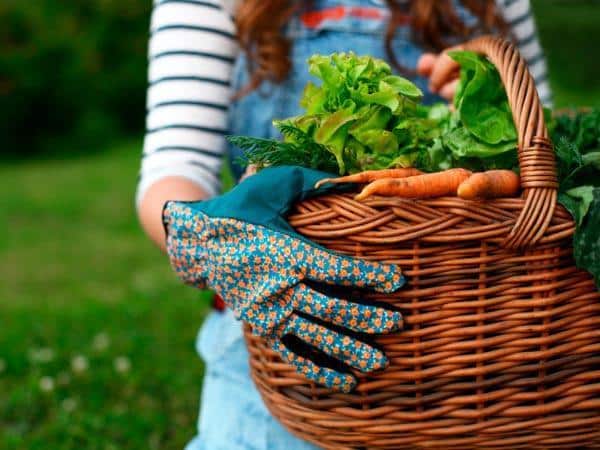
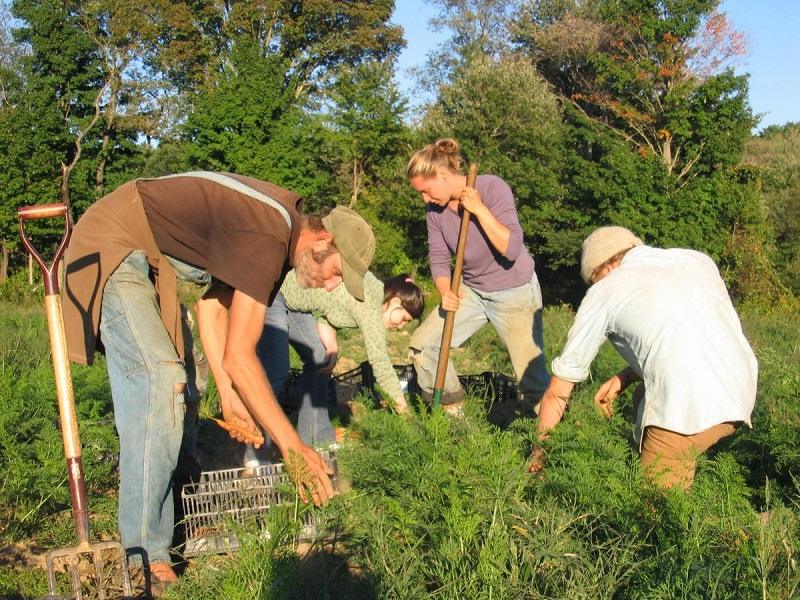
As you start your vegetable garden this spring, consider planting more than you’ll need and preserving the surplus you get. With the economy looking bleaker and bleaker and food prices rising, more and more people, homesteaders and city folk alike, are getting into the habit of stockpiling food – either with produce from their backyard garden, or those bought from the supermarket.
Same way with meat and fish. Is your brood of chickens, quails, rabbits, goats, sheep and farmed fish growing too fast? It’s time to cull. Is there a sale at the grocery store, farmer’s market, or nearby poultry? Why not buy some and stock up?
Aside from immediate consumption, there’s at least a dozen ways to utilize excess food. We can enjoy them ourselves or share them with others — fresh, cooked or preserved. With the rise in unemployment, the homeless and needy people multiplying in our streets, there is simply no reason why food should go to waste.
1. Sell or give away
Fresh fruits and vegetables are easiest to manage, as they don’t require laborious, time-consuming processing like butchery. After picking, the most you need to do is brush off the dirt (as in the case of root crops like potatoes and carrots) and wash, and they’ll be good to go. Set aside what you need for yourself – for consumption and preservation – then let others benefit from the rest. You can sell them at your doorstep or garden entrance, or see if there’s a farmer’s market in town and find out if you can join it. You can give some away to friends, relatives, neighbors, a church (they might know needy families who could use them), a food bank, soup kitchen or a homeless shelter. Websites like Feeding America and Ample Harvest have a list of food pantries that you could contact in the different states. Or check local laws if you could hand out fruits or salad packs directly to the homeless yourself.
Prepare now for surging food costs and empty grocery store shelves…
If you find that you’ve planted much more than you can even harvest, sell the produce right off your garden. Put up a sign outside to let people know what’s available, so they can drop in and pick what they want for themselves. Or you could solicit the help of your neighbors, and split the harvest with them — that way you can get free labor, and they get fresh produce for themselves.
2. Process or preserve
There’s a variety of food preservation techniques that you could do with fresh produce – freezing, canning or drying. Start with the tomatoes, as they’re the most fragile. Jar them and make soup, sauce, puree, salsa or ketchup. Roast or sun-dry them and chill in a bottle with olive oil and use later as pesto sauce, vinaigrette, a spread for breads, stuffing for peppers and eggplants, or for brushing on baked fish or chicken.
Fruits and vegetables can also be turned into smoothies, desserts, cakes and casseroles that you could make now, then freeze and enjoy at a later time.
Story continues below picture
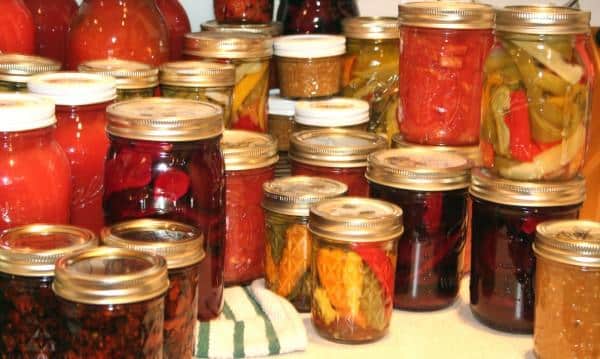
Pickling, a type of canning that uses a vinegar-water-sugar-and-salt solution, can increase the nutritional value of your veggies. Live bacteria in the vinegar will produce folic acid and vitamins K and B12 through fermentation, making it probiotic. There are lots of recipes on the Internet for pickling. Just make sure to stick to your chosen one and not alter the amount of ingredients as indicated. The pH level in pickles is crucial — the acidity has to be high enough so that disease-causing microorganisms like yeast and molds won’t thrive. The best thing about pickles is you won’t need to refrigerate them. When prepared right, they can sit unopened in your pantry for at least a year without spoiling.
As with produce, the same methods of preservation can be used for most meats. Poultry and rabbits can be frozen and canned but not dried because of the texture of their flesh. Lean beef, pork, lamb, goat, wild game and fish can all be frozen, canned and dehydrated, with the addition of smoking and salting.
Check your poultry and livestock periodically for any members that are fit for culling. Remove the non-laying or low-producing hens, or animals that are sick, injured, deformed, sterile, aging or those with stunted growth – any signs of inferiority. Culling reduces the cost of raising them and the risk of spreading disease, while increasing the food, living quarters and care that the rest of the flock or herd could otherwise receive. Culled animals, except those that are diseased, are best suited for selling (at a lower price) or home consumption.
When choosing which preservation method to use, you’ll want to consider several factors: the facilities you own or have access to (freezer, smoker, dehydrator), your energy sources (electricity, gasoline, wood or the sun), the packaging materials you’ll use, and the amount of time and labor you’re willing to spend. Sometimes two or three methods may be combined: salting and drying, or salting, drying and smoking – as with beef jerky — to get optimum results. Location and weather may also come into play. It is very challenging to naturally dry fish and meat outdoors when the humidity is high.
Off The Grid News has many stories and videos about canning.
If you love to cook, you can save parts of the animals you’re going to process for soup stock. The heads, necks, feet, giblets and ribcage of poultry, for example, make very delicious stock. Pork and beef livers can be sautéed and added to sauces and stews. Just bag them in small portions, freeze and cook what you need later.
Story continues below video
3. Use as feeds
Most livestock eat fruits and vegetables, so don’t toss culled produce or vegetable scraps straight into the compost just yet. Rabbits love leafy greens. Horses enjoy apples, watermelons, cabbage, broccoli, turnips and carrots. Goats and sheep relish pears, cucumbers, gourds, squash and most greens. Cows fancy potatoes and many fruits. And pigs will eat just about anything! All these make wonderful treats and nutritious adjuncts to your livestock’s diet.
Lastly, don’t forget your pets! Dogs and cats can benefit from the bones you’d otherwise discard. I know you’re not supposed to feed dogs chicken bones but I’ve fed both my dogs and cats chicken and fish bones all my life and not one of them has had any problems with them. Small pieces may get stuck between their teeth momentarily but they always find a way to dislodge them without problems. They also love the heads and tails of any fish. If you’re not squeamish about keeping those in your freezer, raw or cooked, save some for your canine and feline friends. When times are hard, even pets will have to learn to be economical and not choosy.
Sign up for Off The Grid News’ weekly email and stay informed about the issues important to you