 Print
Print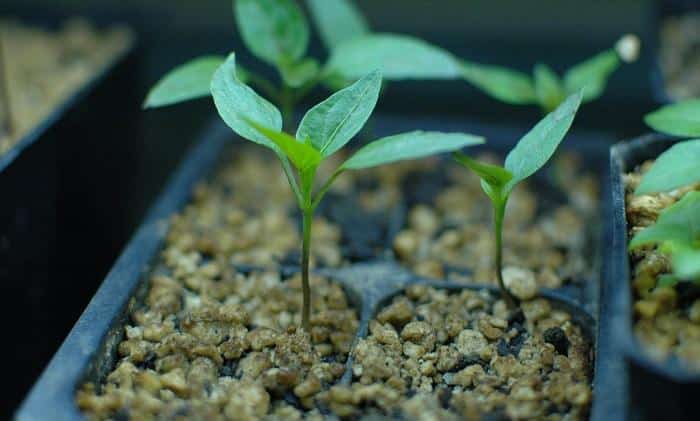

You feel it this time of year.
The gardener in you is itching to start planting everything, thanks to the return of singing birds and sunny days. Although there are some crops you can plant outside early, there are many others you can’t. The best way to handle your eager green thumb is to start to plant your seeds indoors.
Let’s take a look at some tips to help make your seed-starting adventure successful.
Choice
If you’re a beginner, pick vegetables that germinate easily. Some easy “sprouters” are broccoli, peppers, tomatoes, basil, cabbage, chives and onions. Look on the seed packets to read about the best sowing time and type of area to plant each vegetable. But if you follow the right steps, you can get anything to start growing indoors.
Soil Preparation
Use clean soil. There are soils on the market called seed-starting mix or you can make your own. It is a sterile mix that is light and holds enough moisture without becoming too wet. You may wish to use fertilizers, but wait until the seedlings have leaves. It is a good idea to fertilize weekly to bi-weekly.
Containers
There are many containers you can use. You can find pots that eventually disintegrate once they are in the soil. These are good because you won’t damage the root when transplanting or repotting. You should gather containers that are two to three inches deep as they tend to be the most successful in starting seeds. Make sure there are holes for drainage at the bottom. You can even use last year’s nursery flats. Keep containers in sizes that are easy for you to manage and handle. An important point to remember is to wash each container well to ensure no plant disease is spread. Use soap and warm water to wash, and a water and vinegar mix to rinse.
Order your 2015 Heirloom Solutions seed catalog and get $20 in your account!
Lettuce, melons and cucumbers can be touchy when it comes to being repotted, so it may be better to replant these seedlings right into the garden once they are big enough. Other plants can handle repotting into bigger containers until the weather and soil are just right.
Light
Place the seeds and containers in a warm, sunny window. As seedlings need 12 to 16 hours of sunlight a day, you may need to hang fluorescent lightbulbs if the days are still short. Make sure you can raise and lower the lights. You can raise the lights when needed, but don’t go too high. Plants can become very weak if they have to reach for light. If you want your plants to get enough light but work hours interfere, there are affordable light timers in stores.
Temperature
While the seeds are germinating they will need a great deal of warmth. Place the seeds near a sunny, warm window or heating vent. Once they are growing and you see plants, they can be moved to a cooler area.
Story continues below video:
You can cover the seed flats with a piece of glass or plastic wrap to keep the humidity in and the soil moist. Most seeds will germinate at about 70 degrees Fahrenheit. Once your seeds have germinated you can remove them from the extra heat. Seedlings don’t need as much warmth as germinating seeds.
Water
When starting the seeds and watering along the way, try not to use too much water. Mist seeds with a spray bottle to keep them damp. This will prevent the seeds and soil from being flooded. Once the seeds have sprouted start watering the plants from the bottom by pouring water into the tray. Continue to mist the tops with a spray bottle.
Pay Attention
It is important to check your seeds every day. You don’t need to do something each time you check, but it will keep you up to date on what your seeds are doing.
New Natural Fertilizer Doubles Garden Production!
Keep in mind the time you have in your day and the time needed for your plants. For your first time planting seeds, don’t take on too much. Start small and go from there.
Repot seedlings into larger containers as they grow bigger or start crowding. You can use a fork or stick to lift the seedlings, handling them by the roots or leaves to protect the stems. After repotting, water the seedling. Handling the plants lightly will help them become strong. Some folks get a small fan to blow on the seedlings continuously. When it is time to plant outdoors, first take your seedlings out daily and put them in the shade. Keep them protected for a week. Leave them out for a night as well. This will get the small plants used to the environment outdoors.
By starting your seeds indoors, you will have a wider range of choices and possibilities, as there are more seed variations available than potted plants. It also is cheaper to buy several packets of seeds than an already growing seedling. And plants get a head start when started indoors as seedlings, since they don’t have to struggle against Mother Nature’s surprises.
What are your seed starting tips? Share them in the section below: