 Print
Print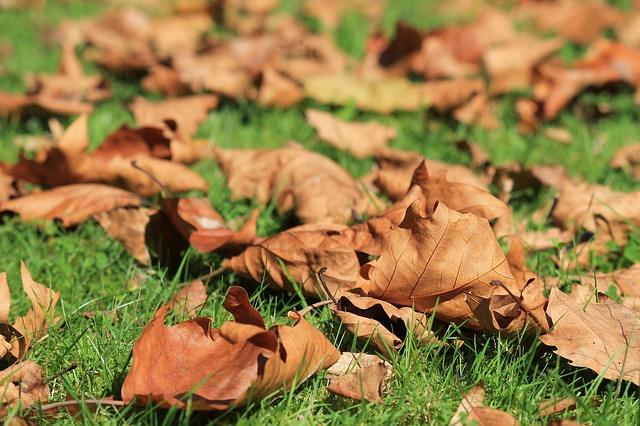
As we enjoy the changing seasons and the vibrant colors that come with autumn, we prepare ourselves for cooler temperatures and the raking and gathering of fallen leaves. For gardeners, this doesn’t mean an added chore, but actually a beneficial moment for improving and preparing our gardens for winter. There are many uses for those discarded leaves, and below are a few common ones.
- Compost: Mow the leaves and place in the compost pile. It is easy to shred the leaves with a mower.
- Leaf mold: This is a pile of leaves and soil that sits for about a year, and then is added to the compost. It helps with nutrients and soil-building.
- Storing: This is a method of keeping all the leaves in a pile and using them to add to the compost when brown material is needed.
- Mulch: Mulch retains moisture, controls temperature of soil and limits weed growth. Leaves also add nutrients and brown material as time goes on.
Remineralize Your Garden With All Natural Sea Minerals
Let’s take a look at using autumn leaves. Mulching is one of the easiest and most beneficial methods of using autumn leaves. It is also the most inexpensive way to deal with fallen leaves and takes as much, or even less, time than the usual raking and bagging. Mulch can be used in vegetable gardens, flowerbeds, shrubs and under trees. It looks attractive in any garden and is completely natural.
Tree leaves absorb about 50 percent of the nutrients that the tree gathers during the growing season. By using as mulch, they return these nutrients to the soil. They also encourage worms and micro-organisms to work the dirt. The end result will be a lighter soil which is easier to work and grow plants in.
Mulch can also be used to insulate plants and protect them from the cold winter winds and temperatures. It helps prevent soil compaction.
Things to Remember
Almost any leaves will make good mulch, but not Black Walnut. Black Walnut leaves should never be used because there are plants that are sensitive to this particular leaves’ compounds. Use only healthy leaves, not any covered with mildew, rust or tar. If you collect from trees such as laurel, walnut and eucalyptus, compost them before turning into mulch as they contain growth-inhibitors.
Shred the leaves before using in the garden. Whole leaves can prevent water from reaching the ground and plants. When you shred leaves for mulch, you are ensuring micro-organisms have more room to do their work.
Mulch expands, so cover all the ground with an even distribution, but don’t put it right up on a plant’s stem or trunk. Otherwise, it will encourage rot.
Here are some essential tips:
- To start mulching, use the lawnmower and run over the leaves a few times. This mowing will shred the leaves into acceptable sizes. Once mowed sufficiently, rake into piles, and place in bags, buckets or wheelbarrow to move to where you need to mulch.
- Weed the area first, and then add mulch
- Apply a two- or three-inch layer of leaf mulch around the vegetable garden and flower beds.
- If you cover vegetables like kale, leeks, carrots and beets, you may be able to harvest them most of the winter.
- For plants like leeks and other closely planted greens, use your hands and take fistfuls of mulch to place several inches between the vegetables.
- Plants that love shade can be covered by leaf mulch. It’s natural for them to be covered at this time of year. Place less than two inches, or five centimeters, of mulch over them so they can push through with little issue in the spring.
- If you are using mulch as insulation, use about six inches, or 15 centimeters, to protect the more tender plants.
So when you see the leaves begin to fall this year, do not worry. Use them to enhance and create healthy plants and soil for the next season. With a little work, you can have a top-notch, natural mulch all your neighbors will envy! Nature provided us with the best mulch material, so don’t waste it. Mow those leaves and create an awesome autumn leaf mulch.