 Print
Print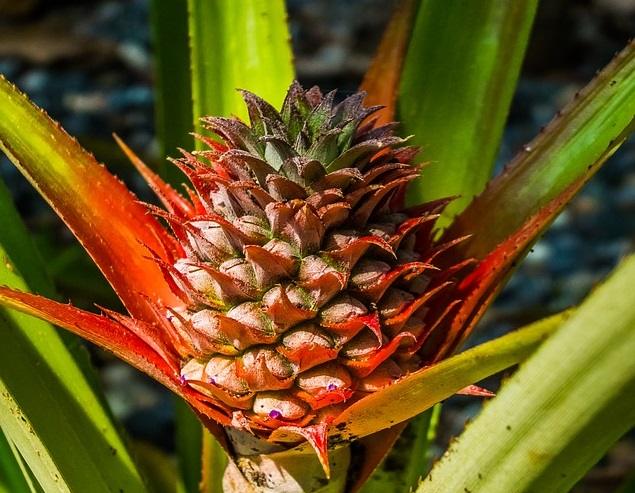
Do you love the taste of the tropical pineapple, but live in a less-than-tropic climate? If you have some containers and a nice sunny spot in your house, then you can grow your own! It is a fun way to get a regular dose of vitamin C.
Pineapple is attractive and tasty, as well as easy to grow in pots. Thank goodness, as it’s hard to grow pineapples in temperatures in the low 20s. Pineapple plants will be damaged at -28 Fahrenheit (or -2 Celsius).
You can grow pineapples from the ones you get in stores if you aren’t able to get your own plant. The tops can still be planted, even in pots. Pineapples take a while to grow, so you will need some patience. Once established, though, you can harvest at any time.
There are many varieties of pineapple, and especially several easy-to-grow houseplant kinds. Here are a few of the most popular ones.
- Smooth cayenne. Widely grown around the world. It has pale yellow to medium yellow fruit and long leaves with few spines. The leaves can be around three feet long at the base and top. Smooth cayenne has high acid and sugar content.
- Red Spanish. With unusually white fruit, this pineapple looks square with “saw-toothed” leaves. It is a bit more fibrous than other pineapple varieties. The outside of the Red Spanish are yellowish-red. This type of pineapple ships extremely well.
- Queen. This is a compact, dwarf variety which has another name, “common rough.” It has a dark yellow fruit with a small core and is very fragrant. Queen, or common rough, has more tolerance for cold and disease than other varieties.
- Sugarloaf. This variety is common in the United States. It is a low-acid pineapple and is sweet to taste. It is juicy and light with white flesh. Sugarloaf pineapples are tall, narrow and have smooth green leaves.
How to Grow Pineapples Indoors
Any kind of potting soil will do. Pineapples aren’t that picky, but don’t like too much water. They gather food through their leaves, but do not put fertilizer in them as it will burn the plant or rot it from the inside out.
Microgreens: The Best Kept Secret In Indoor Self-Reliance Gardening…
If the plant begins to look yellow, or its leaves start to turn red, add just a little fertilizer.
- Get a healthy, ripe plant
- Rinse it, place it on its side and cut the leaf part off, including about two inches of the plant.
- Put the top into a container or pot with dirt, deep enough to cover the fruit part of the plant and leaving the leaves exposed. OR At this part, you can also place the top in a small container of water and wait for roots to begin. Once roots show, plant in dirt.
- Pick a sunny spot to grow your pineapple plant.
Planting
Since we will be growing pineapples inside due to our colder climate, we need to use containers or pots. The containers should be one to three gallons in size (or four to 11 liters.)
Pineapple plants cannot handle being in very wet and soggy conditions, so only water when needed. It may be a good idea to only water when very dry — or you can soak it once a week. Make sure you do not leave the plants sitting in a puddle. They do not need a lot of fertilizer or manure.
Looking For The Best Source Of Non-GMO Seeds?
Firm the soil by pressing it to remove water and air pockets.
After a year you will notice significant growth, and from around 18 months to two years, you will start noticing fruit. Fruit starts in the middle of the plant as a red and yellow bloom. This large flower will eventually turn into fruit.
Harvesting
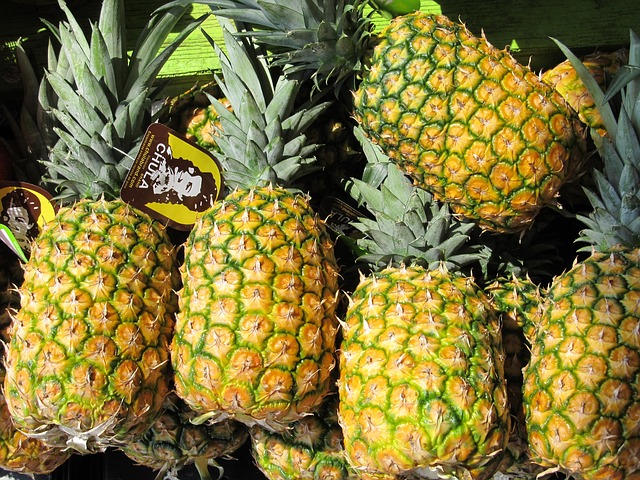
Pineapples are ripe when the skin changes from green or brown to yellow. You will need to cut the stalk to harvest the fruit. To do this, you should use a sharp knife to cut as you do not want to tear the plant. Tearing the plant would make it vulnerable to diseases and rot.
After establishing a pineapple plant, it can last from about four to eight years. They do not need pruning, but you can remove suckers to encourage growth of fruit.
Here are two key points to remember:
- Do not let your pineapple plants freeze. Bring them inside in cold weather and place them in a sunny spot.
- Do not overwater your pineapple plants. Make sure there is adequate drainage and do not let them sit in water.
As you can see, pineapple is one of the easiest plants to grow. So grab some containers, dirt and pineapple tops and get on your way to producing your own sweet-tasting fruit. This is one simple way to have that tropical taste all-year round.
Have you ever grown pineapple? Share your tips in the section below:
Harness The Power Of Nature’s Most Remarkable Healer: Vinegar5″ />