 Print
Print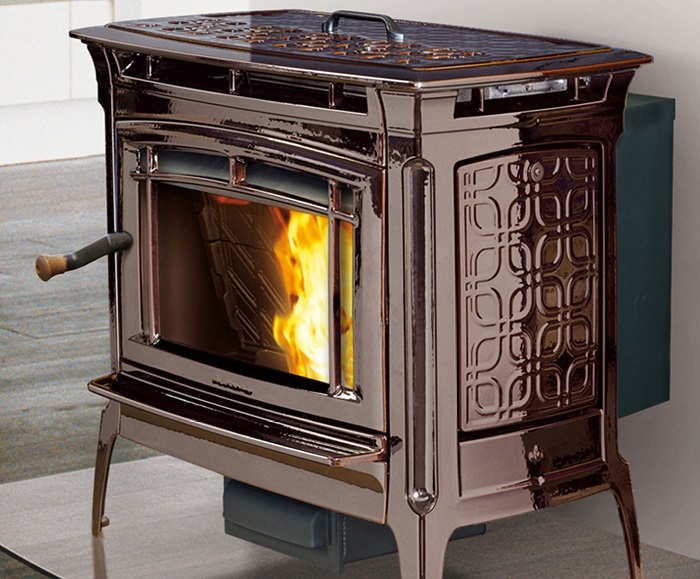
Traditional heating systems are powered by electricity and often accompanied by heat that is generated by natural gas, oil or propane. All are expensive options and typically require at least an electric-powered fan to force the air through heating ducts throughout the house.
The benefit of any forced-air system is even distribution of heat. Wood-burning stoves lack this feature and depend on “radiant” heat, or heat that is simply radiated from the stove itself. But the downside of forced-air heat is its dependence on the grid.
There are alternatives, though, to not only electric systems but also to the traditional cast-iron stove. Let’s explore them.
1. Masonry stove
These stoves burn wood but are made from materials like fire bricks and concrete, and some even funnel smoke through a chimney system that is embedded through a brick wall. The advantage of a masonry stove is that it holds and exchanges heat better than cast iron and typically can produce significant heat with a slow, burning fire.
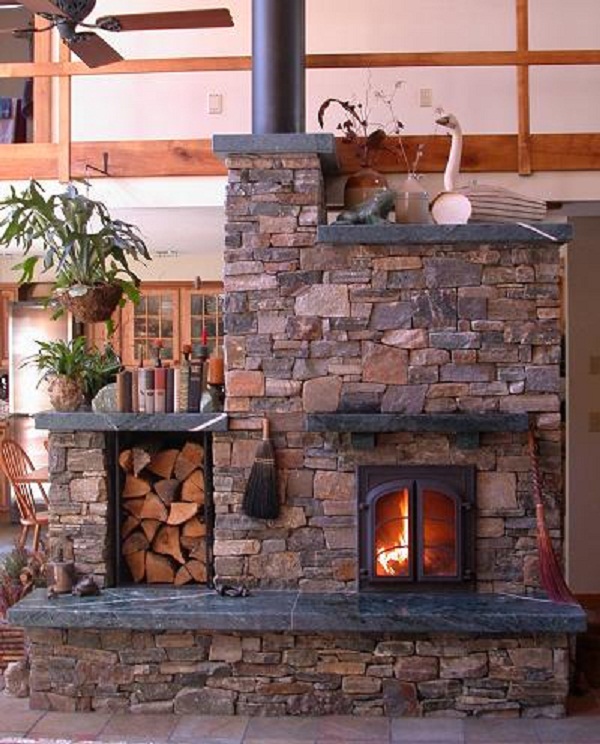
One of the significant advantages of a masonry wood-burning stove is in the wall feature. By circulating heat through a brick wall, it can effectively deliver heat to a second story bedroom or bathroom to some degree. The biggest problem with wood-burning stoves is that they depend on radiant heat. The good news is that heat rises, but on particularly cold days it may not rise enough to sufficiently heat rooms upstairs. A masonry stove does both, imparting heat not only through radiance, but also through brickwork upstairs.
2. Pellet stoves
Another alternative is a stove that burns things other than firewood. These stoves can burn dried corn cobs, wood chips and even peanut shells. Pellets are the result of a manufacturing process that also requires a supply-chain distribution system. That can be a problem in an off-the-grid scenario.
Another consideration with alternative burning fuels is their availability in quantity. Burning corn cobs is a good idea assuming you can store and accumulate enough corn cobs to last the winter. But unless you plant a significant amount of corn or have a resource close to home from a local farmer, you might run out of corn cobs pretty quick. The same is true for wood chips and peanut shells. It sounds like a good idea, but do you have a ton or two of wood chips and peanut shells? If so, you may want to consider such a stove.
3. Passive solar
Passive solar involves the collection of heat from the sun in tiles or wallboards designed to absorb heat during the day and radiate it at night when it’s colder. It may be inaccurate to call it an “alternative” system, but think of it as a complement to another home heating system. It’s an excellent way to provide heat to parts of a home that are beyond the reach of radiant heat.
However, there are a few parameters.
- It requires a significant southern exposure with large windows that will allow sufficient sunlight to hit the tiles or wallboard so they can absorb the heat.
- It is ineffective on cloudy days. Even though solar panels can absorb some radiation from the sun on a cloudy day, passive solar tiles require direct sunlight to capture heat.
- The tiles can overheat a room in the summer and even in winter. There’s no thermostat you can dial up or down. Your only solution is drapes or shades to prevent the sun from striking the tiles. It’s a simple solution if you don’t mind covered windows in the summer.
4. An underground home
This is not for everyone, but where and how you live can make a big difference when it comes to maintaining and sustaining heat in winter. One of the best solutions is based on the geo-thermal principle. The ground stays warmer than the air during winter, so build your house underground. This gets to the basic laws of thermodynamics. The average ground temperature is around 40 to 70 degrees Fahrenheit, depending on where you live. Rarely above or below. Do the math. You’re never freezing and never over-heating. Few people consider this option, but it’s a good alternative solution. In an underground home, you won’t have to use heat until it really gets cold outside – and even then, it won’t take long to warm the place.