 Print
Print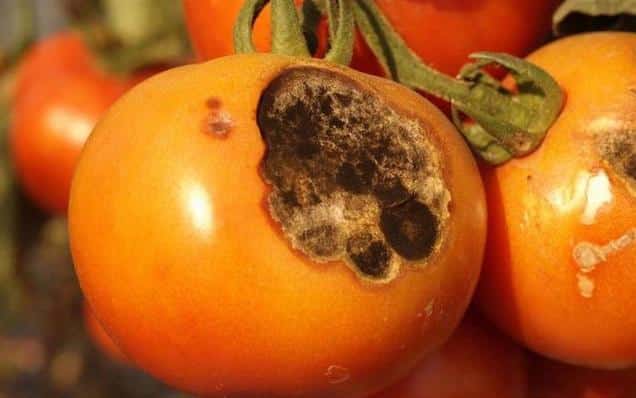
Everyone loves variety, and this is true even in vegetable gardening. In fact, variety in your garden could be the secret to a more bountiful harvest this year.
One way of adding variety is by rotating your crops. Most gardeners will swear by crop rotation, and there are many benefits to it.
Rotating your crops is a method of changing the location of vegetables and other plants from one season to the next.
Why Rotate Your Crops?
There are several very good reasons to rotate your crops in a traditional vegetable garden:
1. Prevents disease. By rotating your crops, you will be limiting the buildup of any disease in the soil, preventing issues lasting from one year’s growing season to the next. For example, say you had issues with blight in your tomatoes last year. This year, you’ll want to move them to a different location in the garden. You then will plant a different crop that is not susceptible to that particular disease in the location where your tomatoes were last year.
Need Non-GMO Herb Seeds For Your Garden? Click Here!
2. Controls pests and insects. Infestations of insects are less likely to occur when using a rotation practice, because the favorite plants of the pests are continually being moved to a different spot. Rotation keeps pests and insects moving so there will not be a build-up of bothersome bugs or other issues.
3. Keeps nutrients in the soil. Each vegetable crop takes and gives different nutrients. This rotating will keep the soil from getting depleted of certain vitamins and nutrients. There are plants such as beans and peas that can actually improve or enrich the soil; make sure you have a few of them included in the garden.
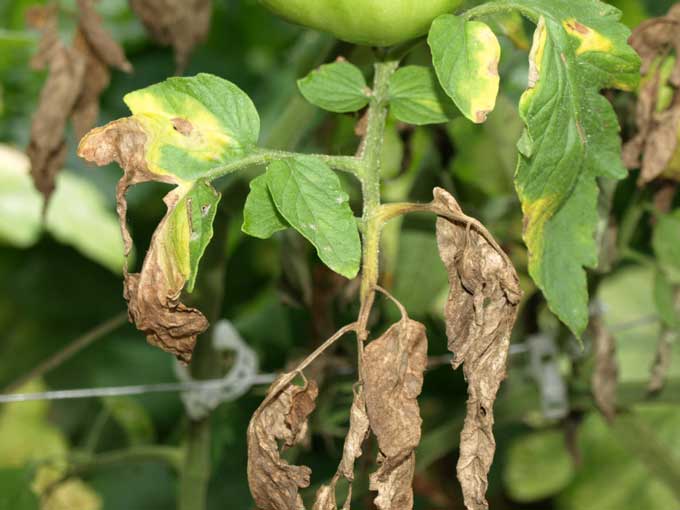 4. Prevents soil erosion. The different plants create soil structure. Productivity will go down after a season or two if there is no rotation. Rotation also reduces the need for heavy pesticides. Look for plants that naturally repel insects and pests and put them into the rotation plan.
Here’s How to Do it
Rotating in a small garden can prove to be a challenge due to space, but it can be done successfully.
Learn which vegetables grow well together and which are susceptible to the same diseases. Plant those together to limit any exposure or spread of disease.
Have a rotation plan. Mark which plants go in which section so you can keep track of where certain vegetables have already been — and where they should go next season. Having a plan will also help you choose the variety and amount of vegetables you will need.
Seamazing: The Low-Cost Way To Re-mineralize Your Soil
Some use a simple method called “the four-step system.” It is a handy and uncomplicated guideline to assist beginners, or any gardener, who are new to rotating garden crops. You simply divide your garden into four sections:
- The first group should be a selection of leafy vegetables. This group includes lettuce, cabbage, broccoli, Brussels sprouts and spinach.
- The second group mostly includes several types of vegetables, many of them on vines. These are tomatoes, cucumbers, corn, peppers, squash and eggplant. Note: Do not plant tomatoes after potatoes as they are both prone to blight; if you leave infected potatoes in the ground over the winter, they can spread the disease to the tomato plants.
- In the third group, you will should find the yummy root vegetables. These vegetables are carrots, turnips, radishes, beets and onions.
- The fourth and final group of the four-step system includes crops that will enrich the soil with nutrients as well as create produce. Cover crops fit well into this section. Clover and alfalfa are just two good examples of cover crops with a purpose. Beans, peanuts and peas also fit into this fourth section. Beans have few pest issues and are very good to the soil.
You can make your garden rotation plan as detailed, or as simple, as you wish. There are countless ways to divide your garden, but in the end it needs to be a garden that works for you and your lifestyle.
Continue to dig up and turn under plant material that is no longer growing. This will provide the soil with even more nutrients. Even during rotation, you can still mulch and fertilize your vegetable garden when needed.
Well, now that you have more knowledge of garden crop rotation and its benefits, as well as a simple plan to start, you are well on your way to having a productive growing season. Now it’s time to grow!
What advice would you add on crop rotation? Share your tips in the section below:
Every Spring, Gardeners Make This Avoidable Mistake — But You Don’t Have To. Read More Here.