 Print
Print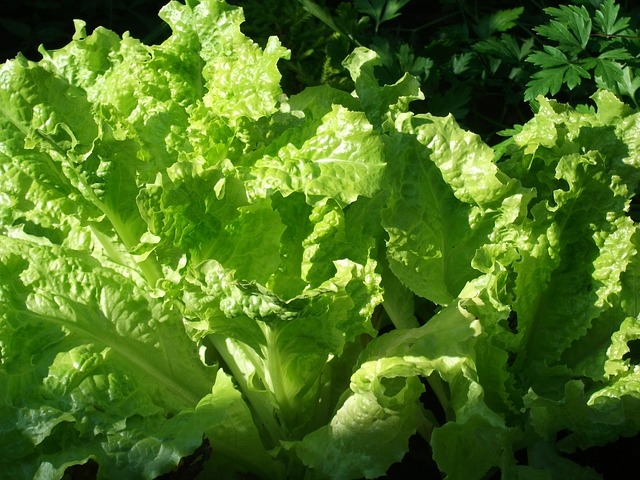
While it may be a few weeks for much of the country before we can plant any warm-season crops like tomatoes, beans and peppers, we can start planning cool-season crops right now.
Cool-season crops are those plants that can take a bit of frost and don’t do well in hot weather. These plants are typically done growing by June, just when the warm-season crops are beginning to take off. Examples of cool-season crops include lettuce, broccoli, radishes, turnips, carrots and onions.
For these cool-season crops, you should plant them as soon as the soil is workable.
1. Chives. This plant is a perennial herb that can be harvested as soon as the leaves appear in early spring. The leaves impart the classic chives flavor, but the edible late spring blooms taste more like onions. Chives do well in containers and also in perennial garden beds.
Plants can be propagated by seed or by division, and planted 8-12 inches apart. They are great for attracting birds and bees, are deer resistant, and make a great low-maintenance garden plant.
Need Non-GMO Seeds For Your Garden? The Best Deals Are Here!
Culinary uses for chives include salads, used in egg dishes, as a garnish in cream soups, and, of course, on baked potatoes.
2. Spinach. Spinach is packed with essential nutrients like iron, calcium, protein and beta-carotene.

Spinach is easy to grow, and if you place it in shade, you may be able to keep it growing throughout the summer months. Where winters aren’t very harsh, spinach can be grown in late fall to allow for harvesting early in the spring, and it can also be overwintered in a cold frame. It can be grown both in partial sun and in full sun.
The small baby leaves can be harvested for salads 20-30 days after sowing, and the larger leaves can continue to be harvested until the hot weather leads to bolting. The larger leaves are quite tasty when briefly sautéed in olive oil and garlic. Whole spinach plants can be harvested 25-50 days after seeding.
Propagate spinach by direct seeding as soon as the soil is workable, about 4-6 weeks prior to the last frost date.
3. Lettuce. Lettuce comes in a wide variety of colors, shapes and flavors, and if you start growing your own, you’ll likely develop your favorites. Growing your own lettuce produces much fresher and tastier lettuce than you typically can purchase in grocery stores. Lettuce is a plant that really does best in cool weather, and one that bolts and tastes bitter when it gets too hot. You can find a number of more heat-tolerant varieties on the market. It also grows successfully in containers, as it does not require much space to grow.
Directly seed lettuce seeds as soon as the soil can be worked, at spaces of 2-12 inches apart, depending on the variety. Harvest can be extended by seeding every three weeks until late spring, and then again in late summer for a fall harvest.
Seamazing: The Low-Cost Way To Re-Mineralize Your Soil
Warning: Some lettuce varieties cannot tolerate hard frosts. Choose your varieties wisely. Romaine can tolerate a light frost but not a hard one.
4. Kale. A nutritional power green, kale seems to be all the rage these days. Kale bestows many health benefits to those who consume it, including iron, vitamin K, antioxidants such as carotenoids and flavonoids, vitamin C, beta-carotene, calcium and anti-inflammatory properties. Kale can be used as a garnish and added to salads, stir-fries, steamed vegetable dishes, soups and stews. The flavor and the color of kale are improved when the weather is cool and frosty.
Kale can be propagated from seed and grown in partial sun or in full sun. Be sure to plant kale plants at least 12-36 inches apart from one another.
Baby kale greens can be picked 20-30 days after seeding, and the mature leaves can be harvested 30-40 days later. Individual leaves can be selectively harvested and the plant will continue to produce more of them. Older leaves can be cooked and used in recipes.
What would you add to this list? Share your ideas in the section below:
Every Spring, Gardeners Make This Avoidable Mistake — But You Don’t Have To. Read More Here.