 Print
Print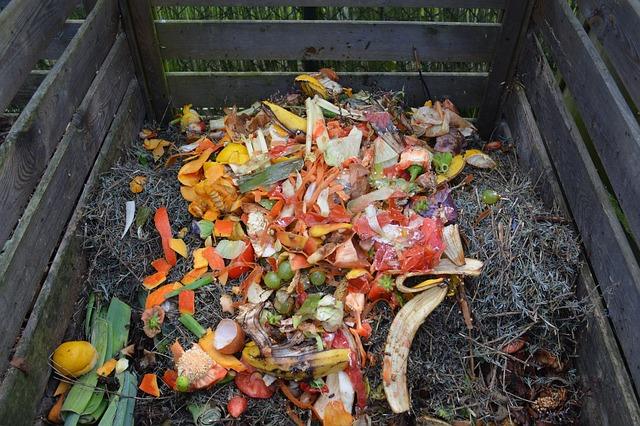
Composting is a critical practice for gardeners committed to growing healthy, high quality plants in a way that, unlike standard gardening practices, nourishes the earth, year after year.
But while it may be tempting to toss nearly anything into the compost pile, an everything-goes compost heap can create larger problems down the road. If you want to maintain a healthy compost pile, there are certain things that are better left out:
1. Black walnut twigs or leaves – Black walnut trees are American natives that provide beauty and shade to the landscape. However, black walnut produces juglone, a substance that can cause injury and sometimes death when it comes in contact with certain plants, including solanaceous plants such as tomatoes, eggplant, potatoes and peppers.
2. Bread – All bread products, including pasta and baked goods, are bound to attract pests to the compost bin. If you want to compost small amounts of stale bread, go ahead, but bury it deep within the pile.
Get The Best Deals On Non-GMO Seeds For Your Garden Right Here!
3. Cooking oil and fat – Too much fat can throw off the entire balance of the compost. Not only that, but the aroma of oily food attracts hordes of hungry animals and bugs.
4. Diseased plants – Plants affected by fungal and bacterial disease are a definite no, unless your entire compost pile reaches a temperature of 160 degrees Fahrenheit for at least three consecutive days. Otherwise, disease pathogens remain in the compost and are eventually transferred back to the soil.
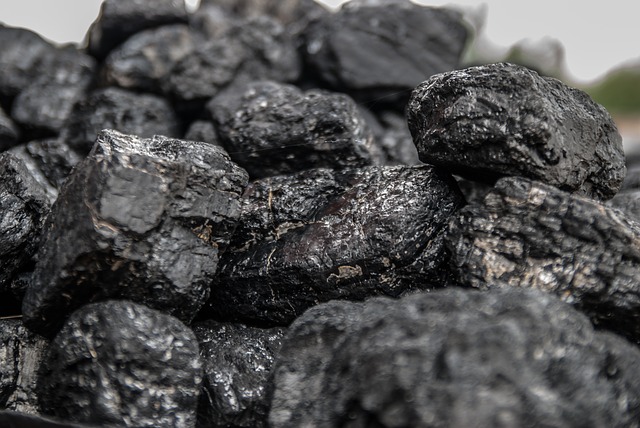
5. Coal or charcoal ash – Avoid these substances, which contain chemical residues that are harmful to plants.
6. Shiny paper – Glossy magazines and shiny gift wraps are created using a variety of chemicals that don’t break down well and may be toxic. (Paper such as tissues, paper towels or shredded cardboard is generally fine.)
7. Feces from carnivorous animals – The manure of meat-eating animals frequently contains diseases, organisms and parasites. For a healthy compost pile, limit manure to waste from cows, chickens, horses, rabbits and other animals that eat a vegetable-based diet. (If you’re committed to composting kitty litter or dog poop, keep the waste in a separate pile to be used only for non-food plants.)
8. Coffee and tea bags – Keep these out of your compost pile, unless you’re certain they are free of synthetic fibers, which won’t break down. Remove the contents of the bag, or look for products that contain natural fibers like hemp or cotton.
9. Citrus peels – Although citrus peels seem like a healthy addition, the high acidity can kill worms and other beneficial critters living in the soil. An occasional orange peel won’t hurt, but chopping it into very small pieces helps it break down a bit faster.
10. Meat and fish products – Keep meat and fish out of your compost pile, as the smell of the food is a sure-fire way to attract rodents, raccoons, neighborhood cats and other unwanted visitors.
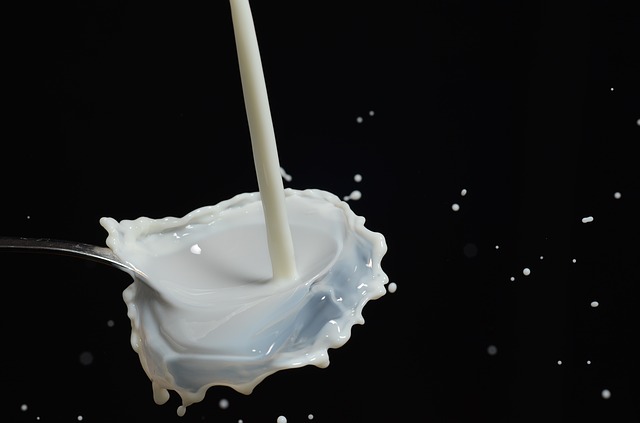
11. Dairy products – Foods such as yogurt, cheese or cream cheese may be fine in very small amounts, but bury the food deep in the pile. Otherwise, the sour milk smell will attract a variety of pests, including flies.
12. Rice – Most gardeners find that raw rice attracts animal visitors, while cooked rice tends to breed unhealthy bacteria.
This New All-Natural Fertilizer Doubles Garden Production!
13. Sawdust – Go ahead and add sawdust, which is highly beneficial to the soil – but only if you’re absolutely certain the wood hasn’t been treated with preservatives or chemicals such as paint, stain or varnish.
14. Weeds – If you’ve worked for countless hours to get rid of stubborn weeds, you sure don’t want them in your compost pile where they can freely reproduce. If you want to compost weeds, be sure they’re completely dry first, and that any seedheads or pods have been removed.
15. Large branches – It’s better to chip or shred large branches. Otherwise, they take a long time to break down and are difficult to turn.
16. Plastic – Keep all types of plastic out of the compost pile. This includes those little stickers on produce, which don’t break down, even if they’re marked “food grade.”
17. Fertilizer – Organic, natural fertilizers are fine in smallish amounts, but avoid all synthetic products that can leach into the soil and water table.
18. Personal products – Avoid tampons, diapers, or any other items that come in contact with blood, urine, vomit or other bodily fluids.
What would you add to this list? Share your composting tips in the section below:
Every Spring, Gardeners Make This Avoidable Mistake — But You Don’t Have To. Read More Here.