 Print
Print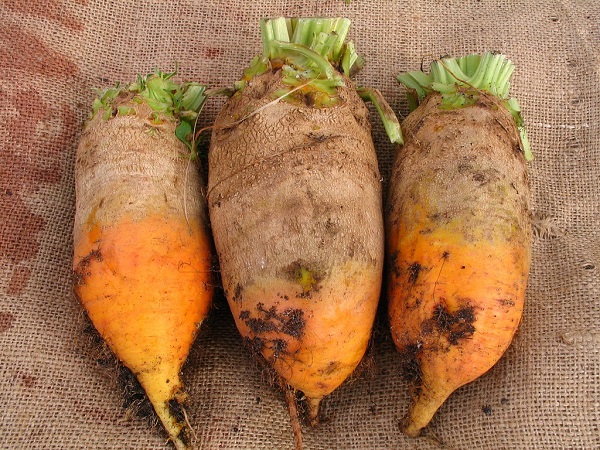
Creating a homestead that is self-sufficient is challenging enough — and one of the most challenging aspects is trying to grow enough food to sustain both humans and livestock each year.
As difficult as that may seem, it is possible with careful planning and a bit of creativity. Choosing what you grow for your family and livestock will make a big impact, especially for those with fewer acres with which to work.
What to raise for livestock fodder may seem like an easy question to answer. We all know that grains and grasses are primary sources for most commercial feeds and many homesteaders, but there are many other choices available if you plan on growing your own feed. One such alternative crop is the mangel beet.
Mangel beets, known as forage beets or mangel-wurzel beets, were a staple crop on many homesteads until the advent of modern day farming equipment and the rise of big agriculture. Their use is recorded in writings dating back to the 1400s, and many modern homesteaders are reviving the popularity of this type of beet.
Mangel beets, also known as fodder beets, contain a wide variety of nutrients in both the root and the greens. The root of the red mammoth mangel beet and the giant yellow eckendorf beet will grow to an average of 15 to 20 pounds apiece, thus providing a sizable amount of feed — up to 50 tons per acre. The greens also can be used as feed, adding even more value to this beet as a crop for sustainable homesteads.
Need Non-GMO Seeds? Get The Best Deals Here!
These beets prefer neutral soil and are capable of thriving in less-than-ideal soil conditions. Full sun, however, is a necessity. Sow seeds directly into the prepared soil one month before the final frost date for early harvest, 10 to 12 weeks before the fall frost date for a late harvest. Seeds should be placed two inches apart and seedlings must be thinned out early. Rows should be spaced no less than 12 inches apart. A moderate amount of rainfall or irrigation is necessary for optimal growth to facilitate this, and a light covering of mulch may be necessary to retain moisture in drier climates.
The greens can be harvested at any time. Plucking a few leaves from each plant will not stress the root and will allow you or your livestock to enjoy nutrient-rich greens for many weeks. Carefully monitored and controlled grazing may be acceptable in the last few weeks before harvest.
The roots can be harvested anywhere from 70 to 100 days after planting. It is important to protect the roots from drying out. In warmer climates, the beets may be stored in the field and dug up as needed. In colder climates, store mangel beets in a root cellar or other cool, dry area. Farmers, in days gone by, would dig a pit to bury the beets in, near their livestock. Lining the pit with straw, the farmers would add alternate layers of beets and straw, finally covering the pit with a wood lid to limit the loss of fodder to rot or mold. In Europe, it was common to create what is known as a clamp, a protected pile of mangel-wurzel beets above ground.
Traditionally, mangel beets are not used as livestock fodder until January. During the time between harvest and January, certain components begin to break down in the root, making them easier to digest and less likely to cause digestive issues in your livestock.
To supplement your poultry feed and provide a pecking distraction, simply hang a beetroot in the coop. Greens can be fed to the poultry, as well. For other livestock, including cattle, horses, pigs and goats, beets are best sliced or cut into chunks before adding them in the daily ration of feed.
Have you ever grown mangel beets? Share your advice on them in the section below:
Bust Inflation With A Low-Cost, High-Production Garden. Read More Here.