 Print
Print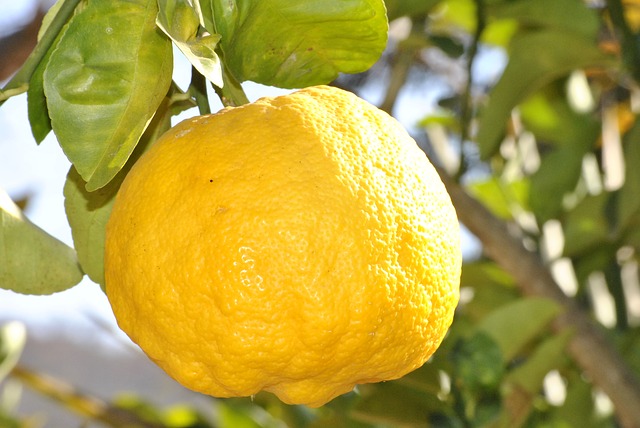
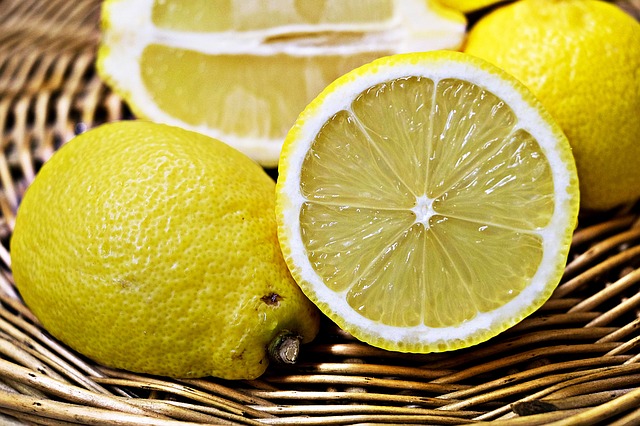
Lemons are one of the most versatile fruits around. They are a mainstay of seafood and Mediterranean dishes, a key ingredient of refreshing favorites like lemonade and lemon meringue pie, and are great to have on hand for natural cold remedies and cleaning solutions.
It is easy to imagine them growing in the backyard garden of a lovely California or Florida estate, but for most of us, that is not an option. There’s good news, though: Lemon trees can be grown indoors by just about anyone.
Lemon and other types of citrus trees can do well in containers, with the right care. This means that you will be able to keep them outside during the summer and pull them indoors for the colder months. Imagine being able to pick a fresh lemon from your own tree when making yourself a cup of hot tea or for a homemade salad dressing – when there is snow on the ground!
Choosing a Plant
While lemons can be grown from seed, this is not the best option for those who wish to have indoor plants. The reason: Indoor growers will want to have a dwarf variety because other trees would get too big; this will be a special rootstock with a plant grafted onto it.
Looking For Non-GMO Seeds? Get Them From A Company You Can Trust!
If you wish for your tree to start producing fruit right away, then you should choose one that is between two and three years old.
Container and Soil Requirements
When selecting a container for your lemon tree, choose one that is slightly larger than the root ball; it makes little difference whether you use clay, ceramic or plastic. What does matter, however, is that there is plenty of good drainage for air circulation.
Potting soil specially formulated for citrus trees is available, but if you cannot find that – or if you prefer the DIY route – then use a slightly acidic (pH 6-7) mix that is loam-based.
Creating an Ideal Indoor Climate
The inside of a house is a far cry from the natural climate that most citrus trees tend to grow in. Therefore, it is important that you do your best to create a climate in which your tree can thrive. Lemon trees should receive 8-12 hours of natural sunlight.
Place your plant next to a south-facing window and if necessary, supplement the natural light with grow lights. Ideally, the temperature should be kept to around 65 degrees Fahrenheit.
Remember also that lemon trees do not like sudden changes in temperature, so when positioning them, keep them away from drafty windows, heaters, ovens, etc.
If you intend on moving your tree outdoors for the warmer months, be sure to acclimatize it gradually – putting it outdoors for a few hours when the temperature is not too extreme, and then bringing it in again. Each time, leave your tree out for a little longer. When the weather starts to turn cool again, simply reverse the process.
Caring for Your Lemon Tree
Regular watering is an important part of caring for your lemon tree, but to avoid root rot and fungal infections, the soil should be kept only slightly moist. By adding a decorative mulch such as moss, it will not only add a bit of visual interest to your plant, but it will also help to keep the water from evaporating too quickly from the soil.
The All-Natural Fertilizer That Doubles Your Garden Yield!
Keeping the leaves of the tree hydrated during the winter months is also important. This can be done by positioning the tree near a humidifier or having a spray bottle handy to regularly mist the leaves.
During the spring and summer, you should fertilize it once every three weeks with a high nitrogen fertilizer. In the fall and winter, you can fertilize it once every six weeks.
Enjoying the Fruits of Your Labor
Depending on the type of lemon you are growing, the time from blossom to harvesting can be anywhere from six to nine months. Once ready, however, they can be harvested for weeks – sometimes even months.
Lemons only will continue to ripen while they are on the tree, so it’s important not to pick them too early. When your fruit has reached the proper color, you can test in for ripeness by using your thumb to apply a little pressure to the rind. If the lemon feels slightly soft, then it is ready to harvest.
If you are considering taking on a new indoor gardening challenge this winter, then growing lemons just might be right for you. It does require a little care and a whole lot of patience, but the payoff is worth it. And when your tree gives you lemons, make lemonade!
Have you ever grown a lemon tree indoors? What advice would you add? Share it in the section below:
Bust Inflation With A Low-Cost, High-Production Garden. Read More Here.