 Print
Print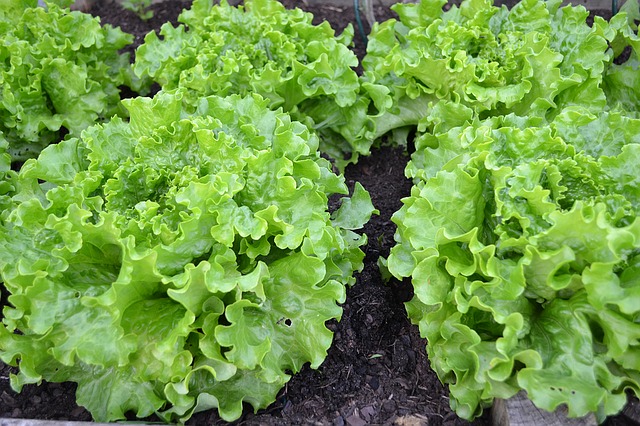
Succession planting is a great technique to use in your garden that will provide you with delicious benefits for little extra work. The primary goal of succession planting is to produce more food from your garden by continuously planting crops throughout the growing season.
If you’re like many of us fellow food growers, maximizing your garden’s production is a yearly goal. The idea behind succession planting — an often-overlooked technique — is to replant another crop immediately after you harvest, sometimes repeating more than once, depending on your climate and ability to utilize season extension methods.
To prepare yourself for a full season of succession planting, it is helpful to sit down in the spring and map out what crops you are planting where, and when. This will serve as a reminder when to start new seeds indoors so you always have strong and hardy seedlings on hand.
Need Non-GMO Heirloom Seeds? Get Them From A Company You Can Trust!
There are different types of succession planting, and you can use one of these methods or all of them in your garden simultaneously.
Same Crop Succession Planting
“Same crop succession planting” refers to re-sowing the same crop at regular intervals throughout the season to ensure that you always have some of this crop to harvest. This is used most often for lettuces, radishes or scallions. By planting a smaller quantity every 1-3 weeks, you will harvest smaller amounts continuously, rather than a large amount all at once. Not only will you enjoy fresher produce from your garden, but you will surely reduce the amount of food waste your household generates, as well.
Different Crop Succession Planting
Another type of succession planting incorporates different crops in succession, and is very effective in accommodating the changing climate throughout the year. Follow the first cold-weather crop with a different species of plant that thrives in the hot summer sun. You can then follow this up again with another cold weather crop that will hold up to overwintering. If you plan accordingly, you can plant the same spot multiple times throughout the year, using many different scenarios. For example: Plant cold-weather crops in the spring (such as spinach, cold-hardy lettuces, peas) under row covers, hoops or cold frames; followed by quick-maturing, heat-loving crops (beans, radishes, carrots, scallions, summer squash); followed again by cooler-weather crops that you can overwinter (kale, leeks).
Intercrop Succession Planting
A less commonly used method is called “intercropping” and involves planting more than one species of plant in the same spot at the same time. Each crop matures at a different time, usually in succession, and allows you to maximize your production by growing a harvest of more than one crop in one space.

There are a few things to keep in mind to facilitate greater success with this type of a succession-planting schedule.
Seamazing: The Low-Cost Way To Re-mineralize Your Soil
By starting the seeds of your second and third plantings inside, you will have strong and hardy seedlings ready to go, increasing your garden’s efficiency.
Each time you harvest and replant, be prepared with soil amendments to feed your soil. Organic compost, manure, glacial rock dust, Epsom salts or your favorite organic fertilizer will help to ensure that your soil remains as nutrient-dense as possible to support a lush and vibrant garden. The more nutrition you feed your soil, the healthier your plants will be and the more nutrient-dense your food will be.
Utilizing nutritious mulch throughout the year will help retain moisture and nutrients in the soil, while greatly reducing those pesky weeds.
Lastly, intensively planting a space in your garden with multiple crops in one growing season can take its toll on your soil. Follow an intensive season with a nutritious green-manure cover crop; that will help regenerate the soil and prepare it for the next round of edible production. Rotate your bed of intensive succession plantings to a new place in your garden each year to reduce stress on the soil and the risk of pests and disease.
By simultaneously utilizing a few tried-and-true techniques in your garden – succession planting, mulching, and crop rotation with green manure cover crops — you can increase your production potential to a whole new level.
Do you use succession planting? Share your tips in the section below:
Bust Inflation With A Low-Cost, High-Production Garden. Read More Here.