 Print
Print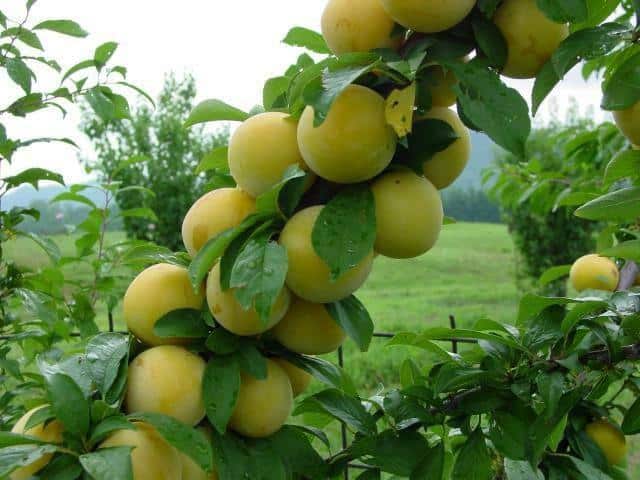
I first became interested in homesteading when my husband and I purchased a house on a small suburban lot. The yard was filled with typical city landscaping — a boxwood hedge, a couple of potentillas, a lilac, some overgrown evergreens and a lot of grass taking up the space in between.
The one bright spot in all of this was the fruit trees. Instead of the usual arbor vitae, the former owner had planted an apple and two cherry trees along the fence line — not decorative cherries but a real-life Bing and Rainier. When summer arrived, all three trees produced a prolific amount of fruit. So much so that the neighbors often stopped by and asked if they could join in on the harvest. We were happy to oblige.
It was then and there that my ideas about the “right” way to landscape changed. Since homesteading was a priority for us, why not tear out a few of the ornamentals that came with the house and replace them with fruit-bearing bushes and ground covers? The formal landscaping “look: would still be intact but it would also come with the added bonus of producing fruit.
Over time and with a lot of experimentation, I was able to determine a number of trees, shrubs, flowers and ground covers that behaved well in a suburban landscape but also took me one step closer to my ultimate goal of becoming more self-sufficient. Here is a list of some of my favorites.
1. Plums — The size of a fully mature plum tree varies depending on the rootstock. Smaller-sized trees use the semi-dwarf root stock Mariana 2624. This rootstock will produce a tree between 10-15 feet in height at maturity. It acclimates well to a variety of climates and soil types. My favorite plum is the Shiro.
Beet Powder: The Ancient Secret To Renewed Energy And Stamina
Shiros tend to be loaded with an outstanding display of white blossoms in the spring, an abundance of golden orb-shaped fruits in the summer and a fiery gold display of foliage in the fall. The plums themselves are tangy and sweet at the same time without the squishiness that can be a turn-off to non-plum lovers. They make excellent jam and can be dried for later use. These trees respond well to regular pruning and are fairly forgiving to individuals who are new to the art of bonsai.
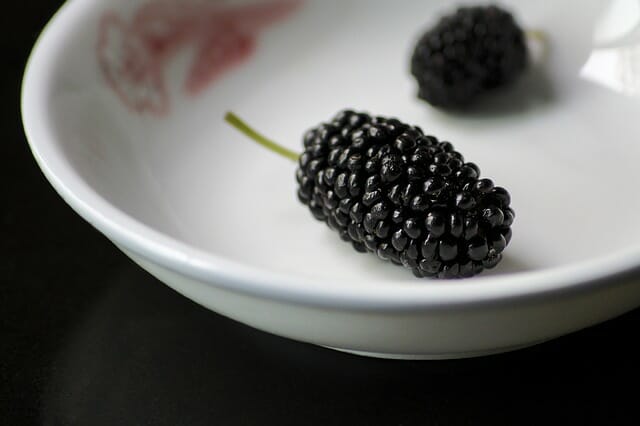
2. Mulberries — Mulberries are incredibly easy to grow and can reach a mature height of more than 30 feet with a spread of 35 feet. They have an open form when properly pruned during the first years of growth, and naturally exhibit generous, graceful spacing between branches. For this reason, Mulberries make excellent shade trees. The fruits are delicious and attract a variety of seasonal birds, such as cedar waxwings and tanagers. Mulberries can be eaten fresh, made into pies and jams, or dried for later use. Mulberry juice can be fermented into an excellent wine. Mulberries are rich in anthocyanins, iron, protein and a host of vitamins and minerals that combat cancer and premature aging. In the fall, mulberry leaves morph into a breathtaking display of canary yellow foliage that will be the envy of the neighborhood.
3. Honeyberries — Honeyberries are a small shrub native to Russia. At maturity they are loaded with elongated blue fruits that have a similar flavor and texture to blueberries. Honeyberries are hardy and easy to care for. Harvest often falls a week or two before blueberry season, which is ideal for individuals who are interested in having a continuous source of fresh fruit in their yard. In the fall, honeyberries exhibit a rainbow of red and gold foliage.
4. Strawberries — As a groundcover, strawberries can’t be beat. Over the summer, they produce a profusion of runners and can quickly cover a patch of abandoned ground. Strawberries require very little care once established, provided they are watered regularly. To propagate strawberries, transplant runners in the spring or fall. Occasionally remove older, woody plants to keep beds productive. One of the most flavorful strawberries for jams and fresh eating is the variety Shuksan. For long-term storage, strawberries can be frozen whole or in pieces. They also can be pureed and dried into fruit leather.
This list is by no means comprehensive. Edible landscaping is all around us, once you know where to look. Now is the time to start transitioning your yard into a homesteader’s oasis.
What would you add to our list? Share your fruit-growing tips in the section below:
Harness The Power Of Nature’s Most Remarkable Healer: Vinegar