 Print
Print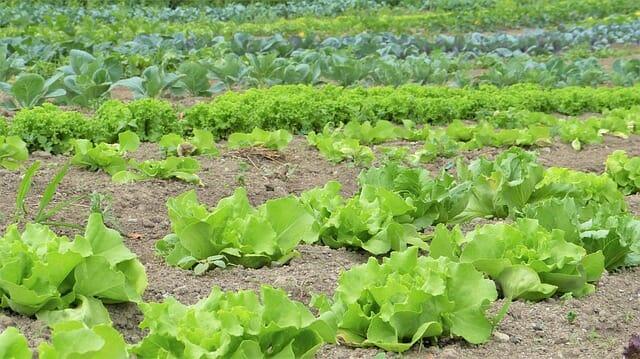
Whether you’re a new gardener, or a long-time student of the land, there are many things you can do to cut back on inputs and save time and money in the garden.
In fact, there is a growing movement of gardeners who have found great success in shifting more and more of the work in the garden onto natural processes, taking hints from natural ecosystems such as forests, grasslands, marshes and savannas, which maintain healthy “gardens” of immense biomass with no human inputs whatsoever.
It turns out we can mimic these natural systems in the garden to virtually eliminate weeding, controlling pests, fertilizing and if you desire, even planting. Here are a few of the main ways we can do this:
1. No tilling. The fact is that tilling is an outdated gardening method. New research, along with the direct experience of countless farmers and gardeners around the world, indicates that tilling to temporarily set back weeds and/or loosen the soil has the exact opposite effect in the short term: stirring up the seed bank and bringing more weed seeds to the surface to germinate, while destroying the soil structure and decimating microbe and earth worm populations that are so vital to soil health.
2. Mulch and solarize. As mentioned above, the only truly effective way to kill weeds without disrupting your other plants is to smother them. Sheet mulching is my preferred method, which is simply smothering the weeds with alternating layers of carbon and nitrogen rich material, starting with a layer of cardboard (with no shiny labels or tape, etc.), and finishing it off with a nice thick (4 to 6 inch) layer of mulch.
Need Non-GMO Seeds? Get The Best Deals Here!
My first gardening mentor once told me that the first 3 rules of gardening are: mulch (for weed suppression), mulch (for evaporation prevention), and mulch (for soil organic matter and microbe health). Another technique is to first “solarize” an area to prepare it for garden beds, which entails covering the area with a black tarp for 1-3 months during the warm season to cook the weeds to death. Once the tarp is removed, it’s important to reestablish a healthy soil food web with compost, compost teas, and of course, mulch!
3. Minimize weeding. Over the past 13 years, I have done very little weeding in my garden, or in my landscaping company. Yet, my clients’ gardens and my own gardens have very few weeds, and the “volunteer” plants that do grow in my gardens are ones that usually benefit the other plants around them. If I do see some aggressive quack grass or similar coming up, I simply smother it with a good sheet mulch (see below) and then never have to deal with it again. Trying to pull grass, and many other weeds, is absolutely futile, as you’ll quite often only encourage their regrowth by splitting their roots up so that they can come back as many different plants, like a garden dominating hydra. Weeding can also contribute to soil disturbance and soil structure disruption, leading to more weed seeds germinating, and less water and nutrient holding capacity.

4. Build rich soil. Weeds are often a response to poor soil structure, soil compaction and nutrient deficiencies, so building your soil by adding organic matter via green manures, ground covers, compost and compost teas, along with chop and drop techniques, will make a less-than-ideal growing situation for many species of weed, particularly if you keep a constant cover crop and/or heavy mulch on the garden (including on pathways!). When a soil is healthy, with a diverse ecosystem of microbes, and is high in organic matter, there is little-to-no need for ongoing fertilization, and much less watering is needed. Plants also will be much healthier, of course, and will get fewer disease and pest problems.
5. Use a diversity of plants. Growing only a few different types of plants is a sure recipe for pest problems and inefficient nutrient cycles. Growing only a few types of annual crops, for example, means your garden will be full of only shallow roots, all competing at the same soil depth for the same nutrients, while creating an easily accessible buffet for pests to get out of control, and limiting habitat and supplemental food for predators of these pests. Planting a variety of perennials with deeper root systems will create a more efficient nutrient cycle, bringing nutrients and moisture up from deeper down and competing less with your annuals, while also providing habitat and food for predators such as lacewings and parasitic wasps. Using more perennials, including edibles and medicinals, means less replanting year after year, as well, and often leads to earlier harvests in the spring of things like perennial onions, or perennial greens like Good King Henry.
6. Minimize direct pest control. Notice that I’m not saying to stop trying to control pests. What I’m advocating is to minimize direct interventions such as spraying pesticides. When you kill pest populations, not only are you usually also killing their predators, you’re ensuring that their predators don’t have time to build up their populations so that they can establish themselves and take the burden of having to control pest populations off you. Instead of trying to kill all the things eating your plants, try to identify what they are, and then, find out what eats them, and what habitat and food requirements that predator has. For example, slugs are a common pest on greens such as chard or lettuce, and they just happen to be a favorite food of frogs. Most frogs require a pond, and shade and hiding places that are created from large plants, logs and other structures in the garden.
There are many other things you can do to minimize inputs of time, money and energy in the garden, many of which are intuitive and simple once you start. The key is to slow down, observe and strive to understand the natural processes at work in the garden so that you don’t spend your time fighting an uphill battle that simply leads to needless work and unnecessary expenditures.
What advice would you add? Share your tips in the section below: