 Print
Print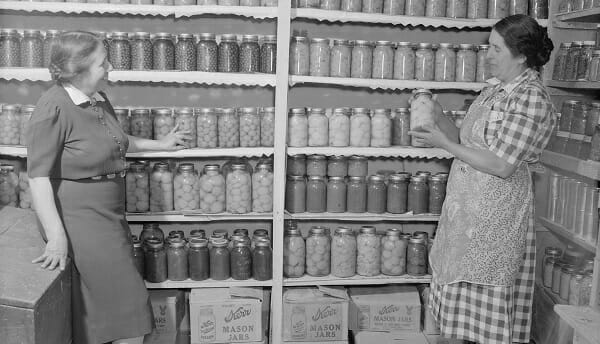
No. 1. Careless packaging and storage
Careless packaging and storage will give you an inefficient and potentially unusable stockpile. You must protect your stockpile from pests, temperature extremes and humidity. The basement or cellar is an ideal spot for stockpiling because of moderate temperatures. Use airtight and waterproof packaging for long-term storage items (5-gallon buckets, jars, metal trash cans lined with food safe bags).
Keep an inventory checklist for efficient storage. Too much of one item will waste space and you won’t be able to rotate fast enough before expiration. Know the limits of your storage space, and make the most efficient use of it with an inventory checklist.
No. 2. No variety
Does your stockpile consist of a few foods and not too much variety? It’s a mistake to stockpile a narrow selection of foods. Your stockpile needs to have a variety of food groups, and a variety of ingredients for the meals and foods you currently eat week in and week out. A balanced diet to meet your nutritional needs is a varied diet.
No. 3. No flavor
Food without any flavor is a stockpile mistake. Do not overlook the importance of salt, sugar, herbs and spices, and condiments like lemon juice, ketchup, mustard, mayonnaise, relish, chili powder, hot peppers and even capers. Do you use onions and garlic? Look for powdered versions and see if those also work. If you use it now, you should stockpile it.
No. 4. One at a time
Are you really going to stockpile only one item at a time before moving on to the next item? This sounds efficient and well-planned, but it is not ideal at all. What if a situation occurs before your stockpile is finished? You might have plenty of one or two items, but not much else.
Bugging Out? Get The Essential Survival Secrets of The Most Savvy Survivalists in the World!
Each grocery trip, buy several different things to stockpile: a jug or two of water, a jar of peanut butter, and then a mainstay dish ingredient or two.
No. 5. Static stockpile
Your stockpile is aging past the point of use if you keep a static stockpile. For a well-planned and efficient stockpile, you rotate items out that are nearing expiration, and replace with new items. Most people do this by filling their cupboards from their stockpile, and then grocery shopping to replenish the stockpile (instead of grocery shopping to replenish the kitchen cupboards).
No. 6 Unfamiliar foods
Storing unfamiliar foods is a mistake. If you don’t know how to prepare it, learn how to and try it before you stockpile it. Analyze your actual use of foods and use your current use as a guide of the best foods for most if not all of your stockpile.
No. 7. Skipping small items with big impact
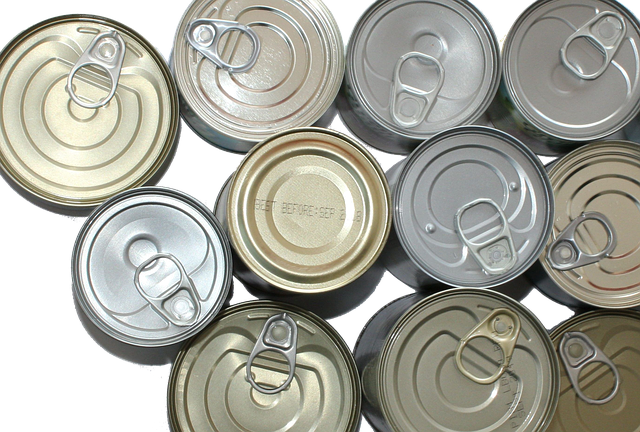
If you haven’t tracked your current use of items, you might be overlooking small items with big impact. You may have plenty of flour and beans and rice, but what do you actually need to make something with those? You need yeast and baking soda and powder, and you need oils. What about toiletries? You may have soap and toilet paper stockpiled, but have you tracked your family’s actual use of toiletry items? If not, you’re almost certainly missing something important. Take stock of your current use of groceries and toiletries so you don’t overlook small items with big impact.
No. 8. Expecting kids to adapt quickly
If you have kids, you probably know that expecting younger children to adapt quickly to new foods is asking for a hard time. Make things a little easier for them and for you by planning and including some foods tailored to children’s tastes.
No. 9. None of your stockpile foods are “easy”
Speaking of adapting and easy, it’s a big mistake to not have at least a few “easy” foods in your stockpile. Easy foods do not require a lot of effort to prepare, and should be familiar. In times of stress, transition, and new situations, having easy-to-prepare and easy-to-eat familiar comfort foods is a big advantage. With a few easy foods, you can focus on the situation at hand (whatever it may be) instead of having to focus food preparation.
No. 10. You only stockpile food
Not stockpiling anything but food is a mistake. You also need a full tank of gas, a full tank of heating fuel, and an alternate source of heat in a cold climate. Do you have a good first-aid kit? Do you have two or more ways of starting a fire and kindling? Is your woodpile ready? What about pet food? Do you have non-electric cooking equipment, can openers, trash bags, soap, toilet paper, toothpaste and extra toothbrushes? Don’t forget medications! Longer term items to consider: fresh canning lids (these are not reusable). Bleach. Hunting and fishing equipment.
No. 11. Everyone knows your stockpile
Your stockpile is an asset. You are storing a commodity in your home. Your stockpile today may not make you a target for thieves, but keep in mind that that the value of your stockpile may change under different circumstances. Today, you may feel secure talking up your stockpile. Tomorrow, your stockpile may be more valuable than cash. Is it wise to talk about storing a huge amount of cash in your house? Would you want many people to know? Be discreet.
No. 12 .You aren’t adding skills
Are you overlooking the importance of skills, knowledge and training? Brush up on first-aid classes. Learn about wood stove heat. Assess your skills in gardening, canning and preserving foods, and hunting and fishing. Can you navigate through rough terrain? Inventory your skills, and make plans to add to or improve your skills over time.
No. 13. Your stockpile is in one place
Storing everything at home, in one location, and not making a plan for mobility from home is a big stockpiling mistake. You need some supplies in your car and at work so they are accessible when you are not at home. You should have warm clothes, sturdy walking shoes, a flashlight, food, water, and a good first-aid kit near you when traveling or at work. This could be as simple as storing these items in your vehicle and at work.
No. 14. Your stockpile isn’t tested
If you aren’t testing your stockpile, you are making assumptions that it will work as planned. Assuming is a mistake. Do not assume your generator will fire right up, or that your private well or municipal water and sewer will work in a power outage. Have a hand pump? Have you not tested it recently? Don’t assume you’ve calculated the correct quantities without a trial run. Don’t assume, period. Always check and test.
No. 15. Not adapting
Don’t make the mistake of complacency. Remember that “the only constant is change.” Beginners may underestimate how much water or food to stockpile, or miss signs of pest damage. More advanced stockpilers may test their stockpile once or twice and then let years go by (and circumstances change enough to cause a potential problem that an interim stockpile test would have caught). Complacency will lead to failing to plan ahead sufficiently.
What would you add to our list? Share your tips in the section below: