 Print
Print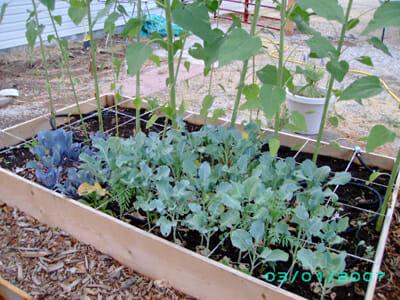
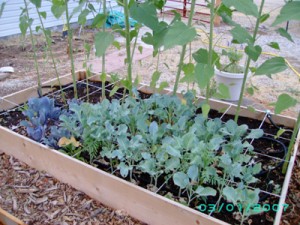 Most people envision their gardens as being in full sun all day long, and yet there may be some of us that have more shade in our yards than full sunshine. Is it still possible to have a vegetable garden? I say yes, you can! You may not be able to have all of your favorites, but then again you may be able to grow plants that others cannot. Then you can barter with those in your community that need what you have grown for what you are not able to raise in your own garden – see my article “Bartering.”
So what can you grow in a shady garden? All varieties of lettuce, arugula, endive, cress, radicchio, Swiss chard, and spinaches; members of the cabbage family such as broccoli, kohlrabi, cauliflower, Brussels sprouts and Chinese cabbage are also able to grow in areas of limited sunshine. All plants do need some time in the sunlight, but those listed above are able to grow where other plants won’t. If your plants are growing under or near trees, they may be fighting for the proper nutrients to survive. A soil test kit is available at your local nursery or garden center, so test to see what you may need to supplement your soil with. Better yet, build a raised bed and, in the methods described in my previous article “Raised Bed Gardens,” be sure to add an organic, totally biodegradable weed barrier to keep the tree roots and sprouts from coming up before building the soil base for your plants. Then they won’t be competing for the nutrients from the trees.
There are plants that hate shade: tomatoes, peppers, cucumbers, and all varieties of squash. So use your shady yard to your advantage and plant your sun lovers in pots – on bases with rollers for heavy containers – so that they can be moved around your garden area to maximize the sunlight you have available. Containers can also be used for those plants that are most delicate and need to be moved into the shade to keep them from burning. You may also consider shade cloth to protect your shade loving veggies.
If your garden area is only partially shady during the daylight hours, there are plants that will work well for you. Most varieties of greens like kale, mustard, and collards tolerate partial shade well. Some herbs will, too, such as mint, parsley, coriander [cilantro], thyme, and tarragon. Several varieties of peas and beans are also tolerant of partially shady conditions, as are many root vegetables. A few examples of these are potatoes, radishes, beets, turnips, onions, and garlic.
The value in knowing whether or not the plants you have chosen will grow best in the shade or in full sun is that, when you plant your plants in the areas that provide the right amount of sunshine, they will all produce at their maximum production. Knowing what your plants need will help you have a very bountiful harvest.
I think that all homegrown vegetables taste much better than their store bought relatives. Maybe it is because we know exactly what we have or have not used in growing them or because they were grown in our own gardens or the gardens of our friends. Most importantly, I believe they taste better because they were grown and tended by our own hands, with loving care and the personal touch that only we can give them. Knowing all we can about the vegetables we grow can only make the final outcome of our harvest that much better.
Help your garden out by knowing what it needs. Maximize your sunshine and shade; harvest early and often; replant those varieties that quickly go to seed in order to have an abundant supply all through summer and fall; freeze, can, and dry to prolong the pleasure of the harvest that God has given you.
Enjoy the fruits of God’s blessing and your labors!
______________________________________________________

______________________________________________________