 Print
Print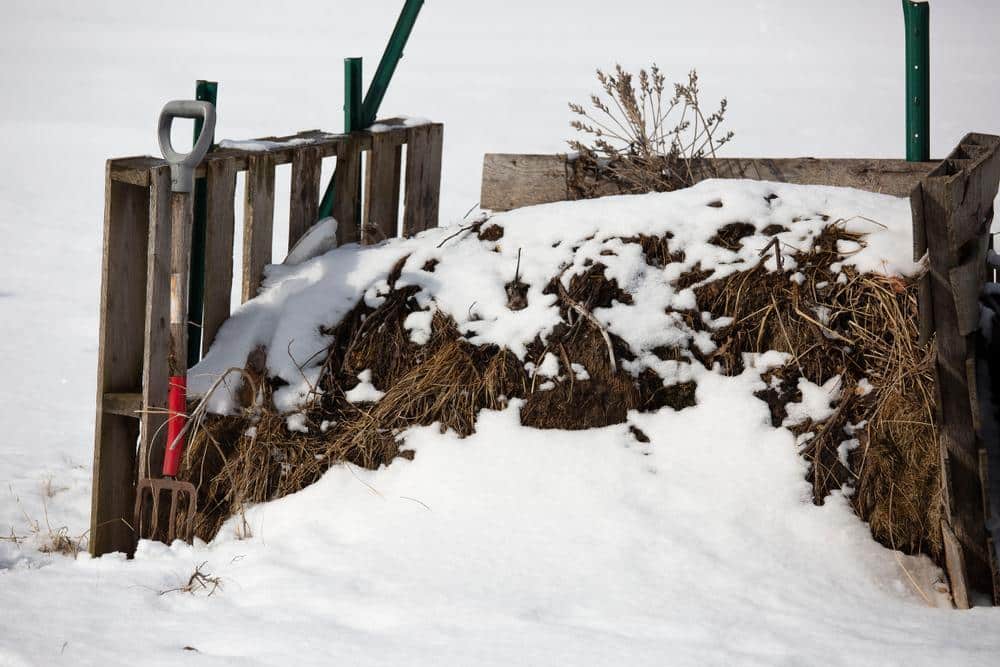
Winter’s Quiet Alchemy: Understanding the Winter Composting Process
Composting in cold weather may seem challenging, but the rewards are well worth the effort once the growing season arrives. Even when the temperature dips, beneficial microorganisms continue working beneath the surface, breaking down organic matter to create the nutrient-rich humus that plants crave.
In winter, the pace of this natural decomposition slows, but it never truly stops. By paying attention to heat retention, proper layering, and turning schedules, you can transform your kitchen scraps and yard waste into dark, crumbly gold that will feed your spring garden.
While the frigid air might discourage outdoor activities, the key to the success of winter composting is recognizing that your compost pile or bin is its own ecosystem. Microbes need warmth, moisture, oxygen, and a balanced diet of carbon-rich browns and nitrogen-heavy greens to work efficiently.
If these elements are missing, the compost pile becomes dormant or sluggish. Once you learn to maintain these conditions, your compost will stay active enough to keep decomposing, even when the world outside is covered in frost.
Layering and Insulation to Retain Heat
Maintaining an ideal internal temperature during the winter requires extra attention to layering and insulation. The right approach can trap heat within the pile and protect it from icy winds. Surrounding your compost with straw bales, hay, or even old blankets can be a lifesaver for beneficial microorganisms.
Insulated bins designed for cold-weather composting help, but homemade solutions work just as well, especially if you use a combination of layered organic materials and insulating barriers to hold in the heat.
A balanced blend of browns and greens is at the heart of winter composting. Browns, such as dead leaves, cardboard, or shredded newspaper, provide the carbon that microorganisms need for energy.
Greens, including grass clippings, vegetable scraps, and coffee grounds, supply the nitrogen required for growth and reproduction. By alternating layers of browns and greens, you give microbes the fuel to generate heat, which is essential when outside temperatures plummet.
Optimal Materials for Winter Compost
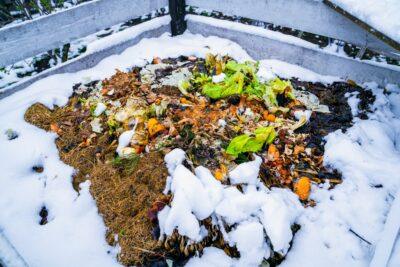
While you can add most of the same items to a winter compost pile as you would any other time of year, certain materials break down more reliably in colder conditions. Fibrous materials like dried leaves, sawdust from untreated wood, and shredded cardboard decompose slowly yet add valuable structure to the pile, helping with aeration.
Fruit and vegetable scraps remain a crucial nitrogen source, and coffee grounds offer both nitrogen and a slightly acidic quality that some microorganisms love.
The trick is keeping the compost from being waterlogged and bogged down by heavy layers of soggy materials. If you add watery scraps like melon rinds or leftover soup, balance the moisture with drier brown materials.
This balance prevents compaction and keeps microbes working. If you find your compost freezing solid, do not panic. Even if it sits dormant for a while, it will come back to life when the temperature rises.
Storing Kitchen Scraps for Future Use
While it is possible to continue adding scraps to your compost in the winter, sometimes persistent snow or ice makes daily trips to the compost pile impractical. Storing kitchen waste indoors is convenient, allowing you to keep collecting green materials until conditions improve. Biodegradable bags or sealed buckets work well for short-term storage, especially if you keep them in a cool place like a garage or basement to prevent odors.
Having a stash of browns on hand is just as important. During warmer months, collect fallen leaves and store them in bags or bins for a ready supply when the colder weather arrives. This strategy ensures you can keep adding layers of carbon-rich material whenever you deposit a batch of food scraps. The more you can keep layering browns and greens… even if it’s only in short bursts… the better your pile will fare.
Maintaining the Magic with Turning and Aeration
Turning the compost pile during winter is another key to success. Regular aeration, even if it is less frequent than in summer, redistributes heat and prevents layers from compacting. If your compost is in a bin that is hard to turn, use a pitchfork or a specialized aeration tool to stir the top layers.
Each turn helps the organisms that thrive in the interior move to more incredible outer layers, and fresh materials can heat up more quickly once mixed into the hot zone.
Keeping the compost moist is equally essential. Dry winter air will suck moisture out of your pile, making it inhospitable for microorganisms. If you notice your compost drying out, lightly sprinkle it with water, but be cautious not to over saturate it in freezing conditions. Too wet piles can freeze solid more easily, slowing down decomposition.
The Vital Role of Winter Composting for a Productive Spring
The real payoff of winter composting becomes apparent once the first signs of spring emerge. A supply of finished or nearly finished compost allows you to enrich garden beds, fill containers, and feed newly planted seedlings with minimal hassle.
Seedlings transplanted into fertile soil have a better chance of thriving, resisting pests, and surviving unexpected temperature dips. Compost improves soil structure by increasing aeration and water retention, which means roots can grow deeper and stronger.
A Worthy Winter Investment
Investing time and care in winter composting is an investment in the health and vibrancy of your spring garden. Each handful of nutrient-rich humus spread across your beds is a testament to the perseverance of life, even in the coldest months.
By nurturing your compost pile when days are short, you help ensure that your garden bursts into color and bounty when the sun finally returns. The hidden work in the compost pile parallels the quiet regeneration of the season, promising fresh beginnings and a fertile spring just around the corner.