 Print
Print
Ditch the Poisons and The Poisonous Plants
As biotech companies roll out genetically engineered crops that produce venom-based insecticides, backyard gardeners face a critical choice.
Do we follow industrial agriculture down the path of synthetic chemicals and genetically modified organisms (GMOs)? Or do we return to nature’s time-tested systems—starting with heirloom seeds and the ancient art of companion planting?
For those who want a toxin-free garden and nutrient-rich harvests, the answer is clear: grow heirloom, and let your plants protect each other.
The Problem With GMO Crops That Make Their Own Insecticides
Many new GMO hybrids are designed to resist pests by producing toxins modeled on the venom of spiders, scorpions, or insects.
These gene-edited crops are supposed to reduce the need for spraying pesticides, but they come with disturbing unknowns. What happens when we eat food grown from venom-producing plants? How does this affect pollinators, beneficial insects, and soil life?
These questions are far from settled—and many gardeners are understandably uncomfortable with the idea of consuming vegetables that produce their own poisons.
The Heirloom Alternative
Heirloom seeds, passed down through generations, offer something radically different: biodiversity, nutrition, and natural resilience. These plants weren’t engineered in a lab. They’re the product of centuries of selection for flavor, hardiness, and adaptability.
But heirloom varieties don’t come with built-in pesticides. That’s where companion planting comes in—a practice as old as agriculture itself.
Companion Planting: Nature’s Pest Control
Companion planting is the strategic placement of plants that support each other’s growth or repel harmful insects. Instead of spraying chemicals or relying on genetically altered defenses, gardeners can design their plots to confuse, repel, or trap pests naturally.
One of the best-known examples is the marigold. These bright, cheerful flowers release a scent that deters nematodes, aphids, and whiteflies. Planting marigolds among tomatoes or around the edges of garden beds creates a natural barrier against pests—no toxins needed.
Herbs That Defend and Delight
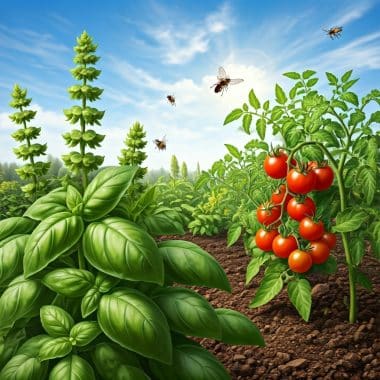
Many common herbs are powerhouses of pest control. Basil, when planted near tomatoes, helps repel thrips, flies, and mosquitoes. Rosemary and sage ward off cabbage moths and carrot flies. Mint confuses ants and flea beetles—just be sure to keep it contained, as it spreads quickly.
These herbs also bring fragrance, flavor, and pollinator appeal to your garden. It’s pest control with perks.
Vegetables That Protect Each Other
Some vegetable combinations work wonders together. Beans planted alongside corn and squash—the classic “Three Sisters” of Native American agriculture… form a balanced ecosystem.
Beans fix nitrogen in the soil, corn provides a structure for climbing, and squash shades out weeds while repelling insects with its prickly leaves.
Radishes can act as a “trap crop” when planted near cucumbers or squash. They lure cucumber beetles and squash bugs away from your main crop. Nasturtiums do something similar for aphids… drawing them away from vegetables and concentrating them where they’re easier to manage.
Flowers That Fool the Bugs
Beyond marigolds, other flowers like calendula, alyssum, and borage can play defensive roles in your garden. Calendula attracts aphids away from crops. Alyssum brings in hoverflies, whose larvae feast on aphids. Borage deters tomato hornworms and attracts bees, boosting pollination.
The more diversity you build into your garden, the harder it is for any single pest to take over.
A Healthier Garden… Even Better… A Healthier You
Choosing heirloom seeds and practicing companion planting isn’t just about avoiding toxins—it’s about building a thriving ecosystem in your backyard.
You’re not just growing vegetables. You’re growing soil health. You’re inviting beneficial insects. You’re feeding your family with clean, honest food that hasn’t been tampered with in a lab.
Companion planting supports biodiversity at every level. It reduces the need for chemical sprays and creates more resilient gardens that can withstand pests, weather, and disease.
Let Nature Do the Work
Modern gardening doesn’t need modern poisons. With a little planning and the right plant partnerships, your garden can be both productive and protected—naturally. No GMO venom, no pesticide cocktails. Just smart design, heirloom genetics, and the wisdom of tradition.
So before you reach for a spray bottle… or a packet of genetically altered seeds… take a second look at companion planting. It’s nature’s original pest management system, and it still works beautifully.