 Print
Print
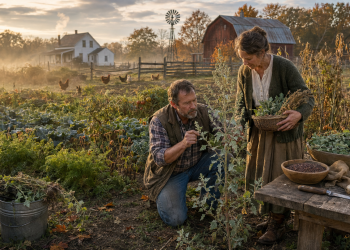
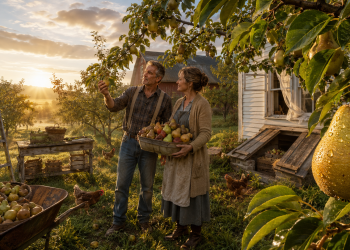
Survival Gardening for Real Security
Survival gardening is more than just growing a few vegetables—it’s about building self-sufficiency, food security, and resilience in a world that’s becoming less stable by the day.
With food prices rising faster than wages, global supply chains breaking down from weather extremes and geopolitical tension, and major grocery chains quietly restricting inventory and limiting variety, the message is clear: depending on the system is a risk.
Growing your own food—whether on a balcony, a small backyard plot, or a developing homestead—is one of the most practical ways to reclaim control.
If there was ever a perfect moment to prepare a survival garden for 2026, that moment is right now. Seeds are still available, soil amendments are still affordable, and the learning curve is much easier when you’re not in a crisis. Those who start planning now will step into the next season confident, equipped, and ahead of the curve.
Why Planning Ahead Matters More Than Ever

Every year, more people wake up to the reality that the food system isn’t as secure as it once appeared. Grocery bills keep climbing, and even basic items like rice, beans, flour, and fresh produce have seen a steady increase in price. At the same time, news stories about shipping delays, contaminated produce recalls, fertilizer shortages, and farm shutdowns are becoming normal.
Planning for a survival garden before 2026 means you’ll have time to test soil, choose the right crops, practice seed starting, and learn preservation methods now—while mistakes are cheap. Once food prices jump again or materials become scarce, getting started will be harder and more expensive. Preparation isn’t about fear—it’s about wisdom. It’s easier to plant a seed than to panic later.
The True Value of Survival Gardening
When grocery store shelves empty and food prices soar, those who cultivate their own produce gain incredible independence. Survival gardening doesn’t just give you food—it gives you confidence. There’s peace in knowing that no matter what happens with supply chains or transportation strikes or price hikes, you have a living food source just steps from your back door.
It also changes your mindset. Instead of being a passive consumer, you become an active producer. That shift alone transforms how you see resources, waste, nutrition, and even time.
Start with the Soil—Your Hidden Wealth
Good soil isn’t just dirt. It’s a living bank account of minerals, microbes, and organic matter—the true foundation of a productive garden. Many survival gardeners prefer raised beds or large containers with high-quality organic soil because it allows control over contaminants and nutrient levels. Mixing in at least 10% homemade compost gives plants a powerful boost and begins the process of regenerating the soil so that each season is better than the last.
Those who start preparing for 2026 now have time to build compost piles through fall and winter, collecting leaves, kitchen scraps, and grass clippings instead of throwing them away. Every month of microbial breakdown adds power to your soil. By planting season, your beds will be richer, more alive, and more productive.
No Land? No Problem—Grow Vertically and Creatively
Not everyone has acreage or even a typical backyard, but that shouldn’t stop anyone. Tower gardens, stackable containers, grow bags, and even five-gallon buckets can produce surprising amounts of food. When used in a sunny spot—like a patio or balcony—they can outperform traditional in-ground gardens.
These methods also keep pests under control and make watering more efficient. By experimenting now instead of later, you’ll discover what works in your specific space before the 2026 growing season hits full swing.
Compost and Natural Fertilizers: Free Power for Your Plants
Composting isn’t just a gardening activity—it’s survival alchemy. It turns kitchen scraps and yard waste into nutrient-rich black gold that would cost a fortune if bought bagged from a garden store. Adding compost worms accelerates that breakdown and produces a rich vermicompost tea that plants love.
Fruit peel water—made simply by soaking organic fruit peels like banana or mango in filtered water—becomes a gentle, mineral-rich fertilizer that keeps gardens thriving without dependence on store-bought products. In a world of rising costs, making your own inputs means long-term sustainability.
Know Your Growing Zone Like a Survival Map
Your climate zone determines what thrives and what struggles. Learning your planting schedule now ensures you won’t waste time or seeds during a critical year. Local agricultural groups, co-ops, and even online planting calendars offer planting timelines uniquely tailored to your region. Keeping a simple notebook of planting dates, harvest times, pest outbreaks, and successes turns your garden into an improving system season after season.
By the time 2026 arrives, you’ll have a personal playbook built on your own land and your own results—not guesswork.
Water Management and Rain Capture—Independence from the Tap
If water service ever gets interrupted or restricted, gardens that rely solely on municipal taps are vulnerable. That’s why capturing rainwater with barrels, totes, or simple gutter systems is a key survival skill. Clean rainwater can be stored long-term and treated with a small amount of chlorine dioxide if needed.
Monitoring soil with a moisture meter—a simple, inexpensive tool—helps avoid overwatering and waste. Once you see how much water your garden really needs, you’ll use less and store more.
Seed Saving: Your Personal Food Security Vault
Heirloom seeds—unlike hybrids—can be saved, dried, and regrown year after year. By selecting seeds from your healthiest, strongest plants, you slowly develop strains perfectly adapted to your soil and climate. That kind of resilience can’t be bought in a store.
Seeds should be dried fully and sealed in airtight jars or packets, stored in a cool, dark place. Once you’ve built a collection, a single plant can feed you for years. If supply chains tighten further in 2026, your own seed bank becomes priceless.
Sprouting: Food in Five Days
Sprouting is survival gardening in miniature. With a jar, a small amount of water, and a handful of seeds, you can grow nutrient-dense food in five days—no garden required. Broccoli sprouts, mung beans, and alfalfa greens provide fresh enzymes, minerals, and protein during winter or emergency situations. They store well in the fridge and can even be frozen to increase bioavailability.
If 2026 turns into another season of shortages or rationing, those who know how to sprout will never be without living food.
Fermentation and Dehydration: Turning Harvest into Storage
Growing food is one skill. Storing it safely without freezing or canning is another survival edge. Fermentation uses nothing but salt, vegetables, and microbes to produce long-lasting, gut-friendly foods that stay safe for months—even without refrigeration. Sauerkraut, pickles, kimchi, and fermented peppers become flavorful staples in tough times.
Dehydration turns produce into lightweight, shelf-stable food that stores for months or even years. When vacuum sealed and stored properly, dehydrated vegetables, fruits, and herbs become valuable ingredients for soups, teas, and emergency meals. Learning this before prices climb again means you’ll enter 2026 well-stocked and confident.
Pest Control Without Chemicals
Pests will always show up—but toxic sprays aren’t necessary. Simple solutions like diluted dish soap, neem oil, garlic spray, or homemade beer traps eliminate common invaders with minimal cost. Choosing crops that don’t require heavy pollination—like root vegetables, leafy greens, and herbs—means less reliance on outdoor conditions or pollinator activity.
By practicing pest control techniques early, you build experience instead of frustration.
Electroculture and Other Low-Cost Enhancements
Some gardeners swear by electroculture—using copper coils around plant stakes to subtly enhance soil energy conduction.
While still debated, many report stronger plant growth and larger harvests from a simple copper wire addition that costs almost nothing. These small experiments, done now, prepare you to maximize yields when it matters most.
Community: Your Hidden Survival Asset
Big-box garden centers often sell varieties that don’t perform well in every region. Local growers, seed swaps, and backyard garden clubs offer stronger starts, better information, and plants already adapted to your specific climate. When people share seeds, cuttings, and knowledge, they build resilience together.
If 2026 brings tighter restrictions or rising costs, community connections will be worth more than anything money can buy.
This Is Your Window of Opportunity
Survival gardening isn’t about fear—it’s about freedom. It’s the freedom to feed your family without waiting on a truck. The freedom to store food without paying inflated prices. The freedom to gain confidence instead of anxiety.
2026 will arrive whether we prepare or not. The question is: will you enter that year scrambling—or planting with confidence? Building your systems now, while resources are still within reach, is the smartest step you can take.
If you start composting this fall, prepping soil over winter, ordering seeds before shortages return, and practicing preservation before harvest season, you’ll enter 2026 not with fear—but with food.
Start small if you must. But start. A pot of herbs becomes a raised bed. A single rain barrel becomes three. A jar of sprouts becomes a pantry of seeds. The garden grows—and so does your confidence.