 Print
Print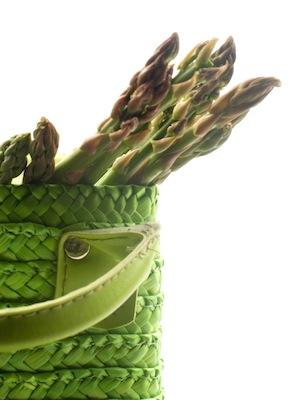
 Asparagus, with its fresh, lemony taste and bright, tightly closed spears, has a reputation as a gourmet vegetable, but in many rural areas, the plant grows as a ditch weed. As a child, I loved hunting for asparagus along the canals near my home because it meant that winter was finally and truly departing. Asparagus seemed very mysterious to me then, and I still find it intriguing today. In the spring, it appears as thin, edible stalks. Later in the season, though, the plants transform into tall, fern-like bushes with tiny red berries.
I rarely find asparagus growing wild near my Colorado home, so my options for this delectable spring treat are to pay a premium price for warmed-over supermarket produce or grow it myself. Fortunately, asparagus isn’t difficult to grow, and once established, it is productive for fifteen years or more – not a bad return on my investment. Below, you’ll learn everything you need to know to start your own asparagus patch.
Growing Asparagus
Select a location for your asparagus patch carefully because this planting will remain for many years. Choose a sunny location on the western or northern side of your garden so the tall plants don’t shade other vegetables. Placing the asparagus patch at the edge of your garden ensures that it won’t get damaged when you till the rest of the area. Plant asparagus in late spring when soil temperatures are at least fifty degrees. If you plant it earlier, growth will slow and the plants become more susceptible to fusarium wilt.
Dig compost and manure into the soil, along with twenty pounds of 10-20-10 fertilizer per 1,000 square feet of garden space, to a depth of eight inches. Asparagus grows best in soil with a pH level between 6.5 and 7.5. Add lime if your soil’s pH falls below 6.0.
Get heirloom variety asparagus from Heirloom Solutions!
Buy one-year old asparagus crowns from a reputable nursery. Avoid those that are dried out and damaged. Your local nursery probably carries asparagus crowns in the spring, but you can also try reputable online or mail order sources such as Heirloom Solutions. Seeds are also an option; however, remember it will be at least two seasons before you can begin harvesting asparagus from planting seeds.
To plant crowns, dig a trench six inches deep. Deeper planting results in reduced yields. Into the trench, sprinkle six pounds of superphosphate fertilizer per 50 feet of row. This phosphorus fertilizer won’t burn the plants, and it encourages deep root development and greater yields. Place the crowns in the furrow, spacing them eighteen inches apart. If you plant more than one row of asparagus, space the rows five feet apart to accommodate the large size of a mature plant.
Fill in the furrow to match the surrounding soil level, but don’t tamp it down. Keep the soil evenly moist and young spears should appear within seven to fourteen days. Resist the urge to harvest the spears during the first growing season. These spears provide food for healthy root development. If you pick them, future harvests will be spare. Instead, care for the asparagus patch the first year by keeping the soil evenly moist and managing weed growth, but leave the spears intact.
How much to plant? One healthy crown yields about half a pound per year. If your family likes asparagus, plant at least twelve crowns, which would produce about six pounds of asparagus. If your family loves asparagus or you want to freeze some, plant even more.
Harvest
The second growing season, you can pick asparagus spears for three to four weeks, depending on weather conditions. Harvest asparagus when it stands six to nine inches tall. Be sure to pick it before the tips start to open. At this point, the asparagus becomes woody and loses quality. To harvest asparagus, simply bend it near the base of the plant to snap it off. Don’t cut it below the soil, which can cause damage to the crowns below. Continue picking until you notice the larger spears dwindling. At this point, cut back all the spears and fertilize the asparagus patch with half a pound ammonium nitrate per fifty feet of garden row.
In subsequent years, you can harvest the asparagus for six to eight weeks. As you grow and observe asparagus, you’ll learn when to stop harvesting for the season, based on the plant’s dwindling spear size.
Pests and Problems
Asparagus is a fairly low-maintenance plant, but it is subject to a few potential problems. First, asparagus beetles chew on the stems and leaves and can cause considerable damage if not controlled. Remove them by hand and drop them in a bucket of soapy water. Prevent root rot diseases by planting asparagus in well-draining soil. Avoid overwatering asparagus. Spray asparagus plants with an approved fungicide in late summer to thwart fungal diseases.
Weeds can be a problem in the asparagus patch. Asparagus plants have shallow roots and are easily damaged by cultivation. Pull weeds carefully and mulch the soil with untreated grass clippings. Finally, leave the tall ferns standing through the winter to protect the roots from frost and dry conditions.
Storage and Use
Asparagus loses quality quickly. Store it in a plastic perforated bag in the refrigerator and use it within two days for best flavor.
The simplest way to use asparagus is simply to steam it lightly and serve it with a drizzle of butter and some salt and pepper. But, for an elegant twist, try roasting it in a hot oven. Asparagus, like most vegetables, takes on a sweet, smoky flavor through roasting. To roast asparagus, toss it with a bit of olive oil and salt and pepper. Add a drizzle of balsamic vinegar if you like. Roast it on a cookie sheet at 400 degrees for ten minutes, or until tender and slightly blackened. Pair roasted asparagus with a splash of lemon juice, Parmesan cheese, or even roasted carrots. Wrap it in bacon, grill it in a grill basket, or cut it and toss it with scrambled eggs. The most important point to remember about cooking asparagus is not to overcook it, which results in a stringy, soggy mess. Asparagus cooks within five to ten minutes regardless of your cooking method, so watch it closely. Enjoy!
©2013 Off the Grid News