 Print
Print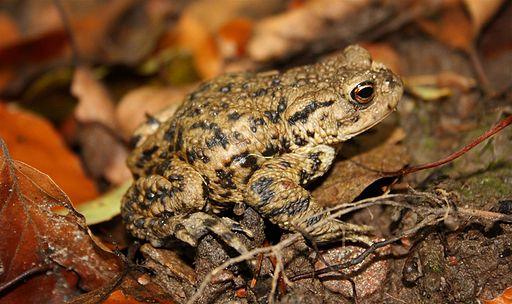
 True frogs and their dry-land relatives, toads, are semi-aquatic amphibians that are found on every continent except Antarctica. Toads are in fact a type of frog and are generally distinguished by their dry, bumpy skin, smaller hind-legs, stout bodies, and drier habitat needs. Both frogs and toads belong to the order Anura, and both are very beneficial to farms and gardens throughout the world.
Benefits
Frogs and toads are a valuable asset to the vegetable garden. Their appetite for pests like insects and slugs makes them a handy ally that keeps the bugs at bay. These amphibians can consume up to 10,000 insects in one summer, and their favorite meals happen to be potential disease-carrying mosquitoes and flies. Attracting and keeping frogs and toads in the garden will help keep pest populations down without pesticides and improve the overall health of your home and garden.
There is an ecological benefit to sheltering frogs and toads in your garden as well. These animals are extremely delicate and sensitive to environmental changes and pollutants. They breathe and even drink through their skin, leaving them very vulnerable to environmental toxins. Because of this heightened sensitivity, frog and toad populations worldwide are in sharp decline – to the point of being labeled a “crisis”—with many populations suffering from widespread mutations and failure to thrive. Providing a safe, healthy environment for these special animals helps keep their dwindling population going.
Common Species of Frogs and Toads
Depending on your region, different frog and toad species can appear, and many have unique habitat and food needs. Attracting native frogs and toads to your area is best. Non-native species, such as the cane toad in Florida, are often invasive and destructive to both the native frog population and ecosystem as a whole. To help ensure success, it’s a good idea to read up on the species that you want to attract to your garden first. Check with your local County Extension Office for a list of toad and frog species found in your area. Below are common native frogs and toads that benefit lucky gardens around the U.S.:
Frogs
- Northern leopard frog (Rana pipiens)
- Spring peeper (Hyla crucifer)
- Wood frog (Rana sylvatica)
Toads
- American toad (Bufo americanus)
- Green toad (Bufo debilis)
- Common toad/ Woodhouse’s toad (Bufo woodhousii)
How to Attract Frogs and Toads to Your Garden
Successfully attracting frogs and toads to your garden may be easy or very difficult, depending on where your property is. Rural properties, especially those located near natural bodies of water or backed up to undeveloped land, are the easiest places to attract these animals, and in fact, they often already have them. Homes and gardens located in more developed areas can attract frogs and toads as well, but it may take more time and effort. To begin attracting frogs and toads, you’ll need to provide adequate shelter and standing water.
Shelter
Making your own frog shelter is easy and can take only a few minutes. It not only attracts frogs; it also helps keep them safe from predators. Simply place an empty clay pot upside down over soft dirt, and prop it up so the frog can crawl inside, or partially bury one on its side. Make sure that the opening is big enough for the species that you’re attracting, and keep the shelter tucked in a quiet, shady place near a source of water, such as a pond or even a saucer of water.
New Survival Seed Bank™ Lets You Plant A Full Acre Crisis Garden!
Frogs and toads also need a brush pile for food and shelter. All the small, dark crevices created by logs and rocks in these piles attract insects and provide the frogs with protection from predators, hot sunlight, and stormy weather. Mulches and leaf litter are beneficial to these amphibians as well.
Water
It comes as no surprise that frogs and toads require plenty of standing water to survive. These semi-aquatic amphibians need a water source to escape from predators, hunt, and reproduce. The ideal backyard pond for frogs should be at least a couple feet below the ground, with a gentle slope for frogs to easily enter the water. Aquatic plants and algae are essential, as they provide oxygen, shelter, and attract insects for frogs.
Keeping the Frogs Around
The same garden elements that attract frogs and toads are also needed to keep these animals around. Attracting and maintaining a small population of frogs also involves providing a safe habitat.
Garden Toxins
Delicate amphibians like frogs and toads need a safe habitat in order to thrive. Due to their heightened sensitivity to environmental toxins, it is extremely important to first and foremost remove all harmful chemicals from your garden. Common chemicals that harm amphibians include synthetic fertilizers, pesticides, herbicides, fungicides, and water treatments for ponds. Treated wood also contains toxins deadly to frogs and should be kept away from water and brush piles.
Backyard Frogs and Pets
As long as frogs and toads can quickly escape to safety, they can usually coexist safely with household cats and dogs. Pets are a danger to these animals, however, and some toads can be a danger to your pets as well. These toads, such as the common American Toad and invasive Cane Toad, have poisonous glands behind their ears that excrete venom that can be deadly if ingested by inquisitive dogs and cats. For the health and wellbeing of both pets and frogs, it’s best to keep them separated as much as possible.
Hibernation
If you live in a temperate climate, like most of the U.S., you will need to make sure your garden friends have a safe place to hibernate. Different species have different places to hibernate, so it’s important to know what type of frog or toad you have. Frogs often hibernate under the water, a couple yards under the surface. Toads often burrow underground or in decomposing material that insulates and protects them from freezing temperatures.
Coexisting with Frogs and Toads
Sharing your garden with a resident frog or two is a great way to bring down the pest population in your vegetable beds and decrease the number of mosquito bites. These amphibians are also fascinating creatures that are quickly disappearing throughout the world. Providing a safe garden home for them allows their numbers to grow, while you reap the benefits of free pest control year after year.
References
https://animals.nationalgeographic.com/animals/amphibians/
https://www.csrees.usda.gov/Extension/
https://www.diylife.com/2008/04/11/avant-yard-toadily-easy-toad-houses/