 Print
Print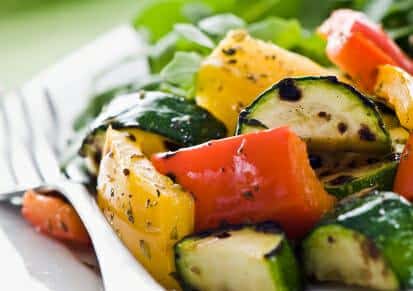
Many of us have chosen to change our eating habits from traditional western fare to a low-carb/high-protein diet. Whether it is for weight loss or better health – or both – this type of eating is becoming more popular. So this session we will talk about planting a low-carb garden.
 So what shall we plant in our low-carb garden? As it is cooling off, let’s start with cool-weather plants. All lettuces and greens are wonderfully low in carbs and should be planted in cool weather – early spring or fall. So plant a bed with a variety of them. Spinach, endive, arugula, Swiss chard, kale, and collards are all low carb and make beautiful salads. They can also be sautéed to wilt them and blend their flavors. Add a little extra virgin olive oil as you sauté.
All members of the cabbage family are also low carb. This family includes cabbage (of course), broccoli, Brussel sprouts, cauliflower, and kohlrabi. These can be planted at the same time that you put your lettuce in.
Asparagus is also low in carbs, so if you enjoy its tender, young shoots, you should plant it in your garden. This veggie takes two to three years to establish and produce a yield, so it will need a dedicated bed. Asparagus crowns should be planted in fall.
Snow peas are lower in carbs than green peas. A cup of snow peas has 7.4 grams of carbs and 2.5 grams of fiber, making the net useable carbs at 4.9 grams. They can be cut into half-inch pieces and added to salad or steamed and used in place of green peas. They are excellent in stir-fries too. An unusual but tasty veggie is pea shoots – the young stems and leaves of green or snow peas. They make a delicious low-carb veggie all by themselves.
If you like licorice, try fennel, as it has a licorice-like flavor. Fennel can be braised or put into crockpot dishes, and it adds an exciting taste to your salads. One fennel bulb – which will feed two people – has 17 grams of carbs and 7 grams of fiber, leaving 10 grams net useable carbs. When divided between two diners, that is only 5 grams apiece. Fennel seed should be planted when you plant your other cool-weather crops.
Other low-carb veggies will have to be planted after the last frost. Starting them inside is a very good option, especially if you have a short growing season.
Tomatoes are low carb; however, if you are following the Paleo Diet, these are not permitted. One medium tomato has 4.8 carbs and 1.5 grams of fiber, leaving 3.3 grams of useable carbs. They are also high in lycopene, a great cancer-fighting antioxidant.
All of the peppers are low-carb veggies. You should plant at least three different varieties, for they all have different flavors. Medium banana peppers have 2.5 grams of carbs and 1.6 grams fiber, leaving net useable carbs at just 0.9 grams. The average jalapeno has 0.8 grams of carbs and 0.4 grams fiber, thus leaving 0.4 net useable carbs – such a flavorful deal.
Cucumbers are a very low-carb veggie – a cup of cucumber slices has just 3.8 grams of carbs and 0.5 grams fiber, leaving 3.3 net useable carbs. There are several cucumber salads, from creamy to spicy Thai varieties.
 Zucchini and yellow summer squashes are low-carb treats too. Small zucchinis – just right for grilling – have 4 grams carbs and 2 grams of fiber each, leaving 2 grams net useable carbs. Unless you have a very large family, one zucchini plant should be plenty. You should plant only one or two yellow summer squash plants too, for they are similarly low in carbs. Add spaghetti squash to the list of low-carb squash – use it in place of pasta under your meat and cheese-based sauces.
Beets and carrots are low in carbs and should be included in your low-carb garden. Just remember not to eat them every day, as they are higher in carbs and sugars than most of the veggies listed here.
Snap beans and wax beans are low in carbs. They should be planted after the soil has warmed up, as bean plants do not transplant well. One cup cut beans – snap or wax – yields 7.9 grams of carbs and 3.7 grams of fiber, leaving 4.2 grams of useable carbs. Wax beans are hard to find in grocery stores, so you may choose to plant these rather than the snap beans. You can also plant both, as long as it is on opposite ends of the garden.
Most of the kitchen and healing herbs in your garden are low carb, so use them freely in your new eating plan. And of course, grow your onions and garlic. Not only are they low carb, but they are also great for your body – your heart and your immune system.
So, good luck on your new eating plan and with your low-carb garden. Happy gardening!
REFERENCE: https://holdthetoast.com/node/134©2011 Off the Grid News