 Print
Print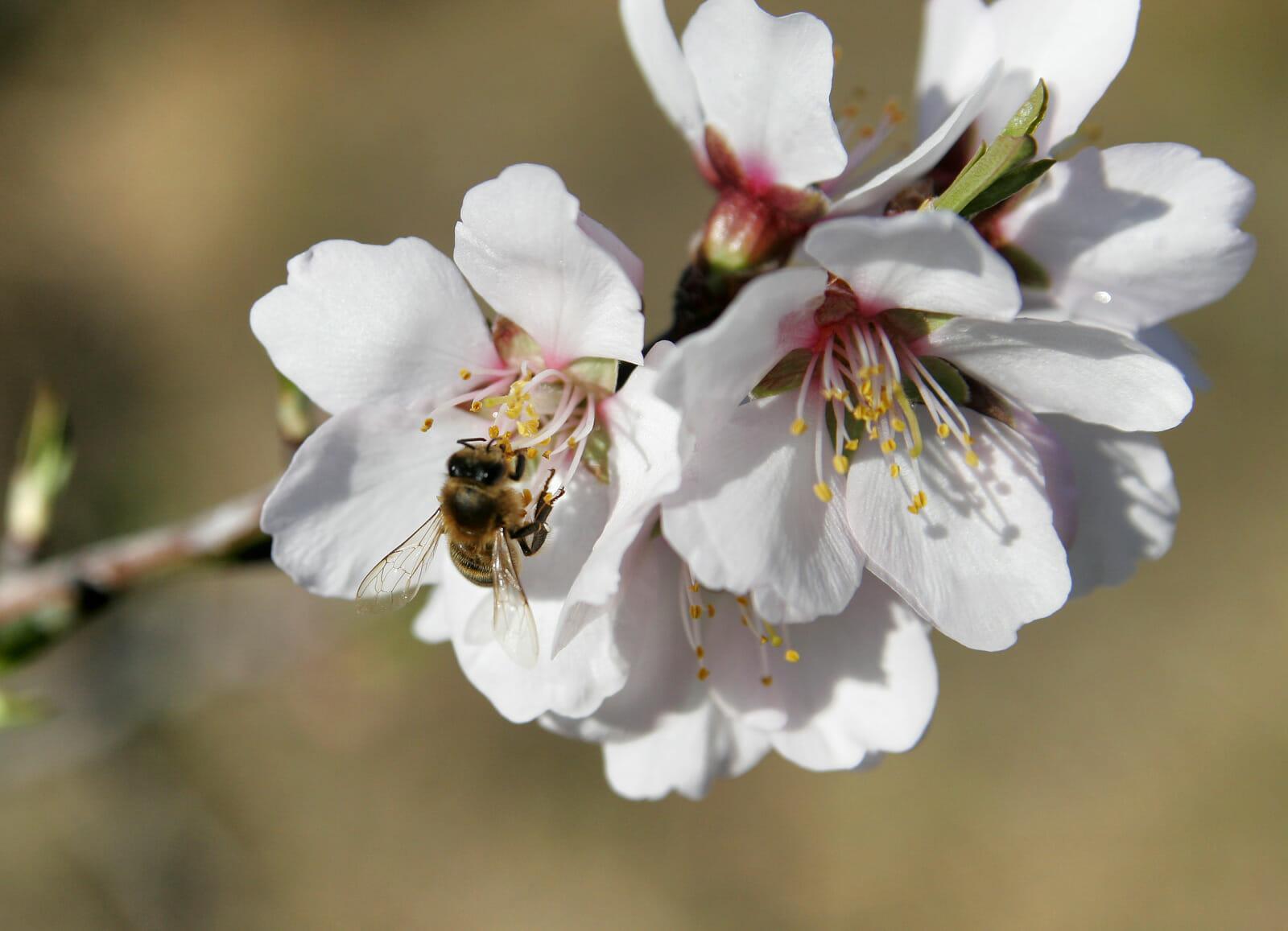
 All gardens need to be pollinated, and bees are the usual suspects for this task. Unfortunately, they are seriously lacking in our gardens, as most of us live in urbanized areas. So let’s plant a garden that will invite them in and give them place to live and prosper, and they will make our other gardens yield more produce too.
Though we think of pollinators as just the bees and butterflies that visit our gardens, they actually come in many shapes, sizes, and varieties. There are garden-friendly varieties of bees, butterflies, moths, beetles, flies, birds, and bats in most (or all) regions of the country. Even the wind has been known to assist in the pollination process. Each is attracted to different colors, smells, pollens, flower shapes, and nectars. I found a helpful guide online for planting natives and exotics in our gardens.
Rethink Grass Lawns
Traditional grass lawns may present a beautiful curbside view, but they cover up the natural habitat for the insects that we want to invite. You may want to seriously consider replacing all or a portion of your lawn to make a home for native pollinators. Flowering ground covers, such as clover and wooly or creeping thyme, are both beautiful and enticing to pollinators.
Plant Natives and Exotics
When planting your gardens, you need to consider what your goals are for that space. If you are planting to create a healthy garden, it is important to consider the plants’ attractiveness to pollinators as well as their natural habitat. Even if your plan is to plant a truly native garden, it will be advantageous to include some colorful exotics to help attract bees and other pollinators. Their attractiveness entices the pollinators in, and that will keep your natives healthy, too. Below I have added sites that will helpful in deciding what to plant in your pollinators’ garden.
Plan for the Whole Season – Bee Season, That Is
Most of the plants that you will put into your pollinators’ garden have predictable blooming schedules by which you can plan what will be planted. Bees and other pollinators also have predictable flight schedules and nesting seasons that should be considered when planning your gardens. While honeybees can be seen year round in good weather, bumblebees other pollinators are out and about in spring and into early summer. Large leafcutter bees, fuzzy anthophorid bees, and other pollinators become common in summer months. Learning to look for their patterns can improve the effectiveness of your pollinators’ garden. And all of that information is readily available online or at your agricultural exchange center.
Build Your Pollinators a Habitat
Having a bare patch of ground in a sunny part of your pollinators’ garden will give native ground-nesting bees a place to build their nests. Avoid applying mulches to your pollinators’ garden. Wood- and stem-nesting bee varieties will need a pile of branches, bamboo sections, hollow reeds, or nesting blocks made of untreated wood. Mason bees need a source of mud and water. Other pollinators are attracted to weedy, untended hedges and bushes.
The Ultimate Guide to Keeping Stronger Colonies and Healthier, More Productive Bees
Natural Pesticides Only
Avoid using any insecticides in your gardens, as they are toxic to pollinators. They are also harmful to humans and pets. Allowing ladybugs, spiders, and praying mantises to dwell in your gardens usually keeps pest populations in check. If you find it necessary to exterminate some pesky bug, use one of the natural pesticides that are now widely available.
Create a Bee Bath
Pollinators need a source of fresh water for drinking and building their homes. Placing a shallow container in your pollinators’ garden and keeping it full throughout the season will let them know that they can return to the same location every day for a drink. Be sure to add a couple of twigs for pollinators to land on while they are drinking.
Be Considerate of Weeds
While we tend to label plants that are not useful in our gardens as weeds, pollinators can’t distinguish between weeds and garden flowers. If you are trying to attract the most pollinators possible to improve your garden’s productivity, consider leaving these intruders long enough to attract helpful pollinators. These plants are in bloom for such a short time that they can be left until the blossoms die and pulled before they go to seed.
Plants That Feed Pollinators Best
Feeding our bees, butterflies, and other pollinators is just as important as the plants that attract them. Thyme is highly anti-microbial. This helps support bee health and adds these properties to the local honey as well. Heirloom roses are favored by honeybees, especially the rugosas. There are other plants that are favored by the local pollinators, so doing the homework for your region is very important.
Size Matters!
Pollinators need sufficient room to feed, breed, and grow. Be sure to think of this when planning your garden. This garden should be at least 100 square feet (10’ x 10’, or a similar configuration). When planting your flowers and plants, each particular species in your garden will need 20 square feet (4’ x 5’, or a similar configuration).
An essential guide for anyone interested in learning more about beekeeping.
Afraid of Being Stung?
Most people, especially those allergic to insect venom, are afraid of being stung. In reading several sites on bee and pollinator gardens, I have learned that being stung is really quite rare.
In Closing
Now that you know the basics for planting a special place for the pollinators in this region, you can get started. Plan and build a beautiful garden for the pollinators in your region, and it may become a place of quiet solitude and rest for your body, mind, and soul, not to mention a boon to your vegetable garden!
Happy planning and planting!
Helpful Sites:
https://thehoneybeeconservancy.org/act-today-2/plant-a-bee-garden/
https://nature.berkeley.edu/urbanbeegardens/
https://www.restorationnurseries.com/resources/beegarden.pdf
©2012 Off the Grid News