 Print
Print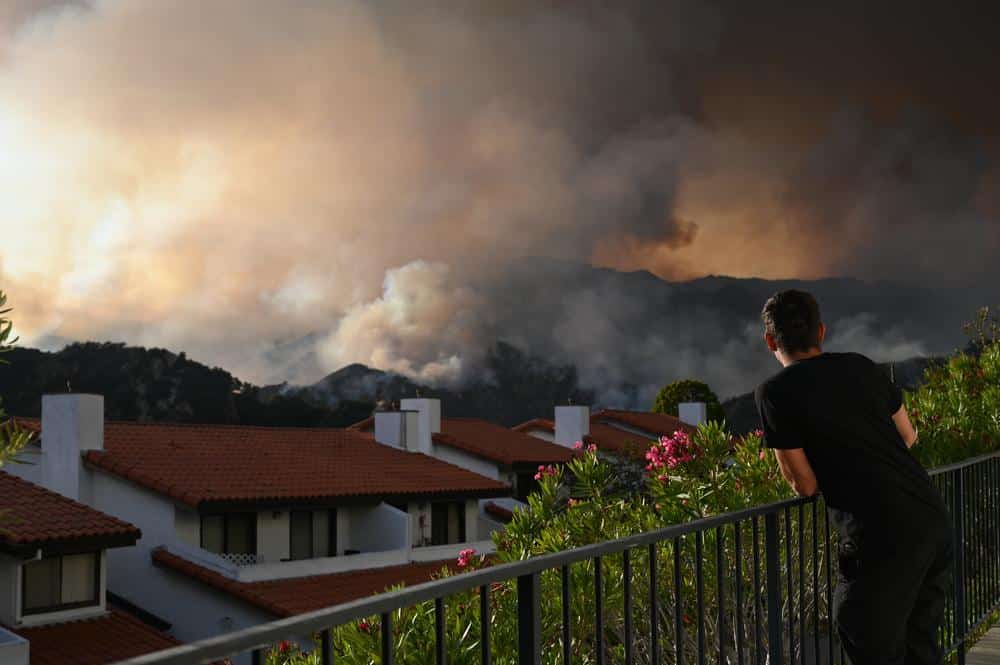
As drought conditions intensify across much of America, the risk of devastating wildfires continues to grow. With dry vegetation acting as fuel and high temperatures exacerbating fire spread, it is more important than ever to prepare homes and communities for potential fire threats. A well-thought-out fire preparedness plan, potentially a lifesaver, can mean the difference between survival and disaster.
Understanding Fire Threats
Wildfires thrive in areas experiencing prolonged drought. Dry grass, dead leaves, and brittle trees become highly flammable, allowing fires to ignite and spread rapidly. In such conditions, firefighting resources are often overwhelmed, making it essential for homeowners to take proactive steps to protect their property and lives. Understanding fire risk levels and monitoring fire danger ratings, crucial for preparedness, can be the key to survival.
Many homes are not built to withstand extreme wildfire conditions, particularly during high-risk weather events. Defending a property requires more than just good intentions… it demands thorough preparation, the right equipment, and a clear emergency plan. For many, the safest option is to evacuate early rather than risk staying behind to fight a fire.
Preparing Your Property for Fire Season
The first line of defense against a wildfire is ensuring that your property is as fire-resistant as possible. Managing vegetation around your home significantly reduces the chances of fire reaching your structures. This involves clearing dry leaves, trimming overhanging branches, and keeping lawns short and well-watered. Flammable mulch, which can ignite quickly, should be replaced with less flammable alternatives.
Maintaining the structural integrity of your home is equally important. Gutters should be cleaned regularly to prevent the buildup of flammable debris, and any gaps in walls, vents, or roofing should be sealed to stop embers from entering. Keeping woodpiles, fuel containers, and propane tanks away from the house reduces the likelihood of fire igniting near or inside the home.
Having at least 2500 gallons of accessible water and firefighting tools such as hoses, buckets, and pumps can be vital in an emergency. Those who choose to stay and defend their property should have fire-resistant clothing, gloves, eye protection, and a backup plan in case conditions become too dangerous.
Monitoring Fire Conditions and Staying Alert
Fire conditions can also change rapidly, and staying informed is critical to fire preparedness. Daily checking of local fire danger ratings and monitoring weather forecasts can help residents make informed decisions about their safety. Alerts and warnings are typically available through local government agencies, emergency apps, and radio broadcasts.
On high-risk days, it is essential to have a clear action plan. Families should identify evacuation routes, gather emergency supplies, and ensure vehicles are fueled and ready to go. Pets and livestock should be secured in advance, as evacuating them under emergency conditions can be challenging. Communication with neighbors, family members, and emergency services can provide additional support during a crisis, making you feel connected and reassured in the face of danger.
Defending Your Home During a Fire
If a wildfire is imminent, defensive actions must be taken quickly. Wearing fire-resistant clothing is the first step in preparing for the heat and smoke. All windows and doors should be closed to prevent embers from entering, and gutters should be filled with water as a precautionary measure. Moving flammable outdoor items away from the house reduces the risk of the fire jumping from object to object.
In case embers break through, furniture should be moved away from windows to minimize the spread of fire inside the home. Having a flashlight stored in the attic or crawl spaces can be handy in identifying hidden embers. Power outages are common during wildfires, so having battery-operated radios and flashlights is an appropriate safety measure.
As fires approach, it may become too dangerous to remain outside. Radiant heat can be fatal, and staying inside a well-prepared structure is often the safest choice. However, if the home itself catches fire, an escape plan must be executed immediately. Sheltering in a room with multiple exits ensures there is always a way out.
Recovery and Post-Fire Safety
After a fire has passed, extreme caution is needed before going outside. Burning embers and structural weaknesses can pose significant hazards. Checking for hidden fires in roofs, gutters, and under-decks is essential. Watering down the property and extinguishing small fires prevents flare-ups from occurring.
Staying hydrated and taking care of personal health is crucial in the aftermath of a fire. Smoke inhalation and heat exhaustion can have serious consequences, and medical attention should be sought if necessary. Contacting friends and family to confirm safety is an important step in recovery.
Insurance claims and rebuilding efforts may take time, but immediate safety should be the top priority. Understanding what resources are available, such as local recovery centers and emergency assistance programs, can help affected families recover.

The Importance of a Backup Plan
Even the most well-prepared homeowners may find themselves in situations where defending their property is impossible. Having a backup plan is essential to survival. This may involve knowing the location of designated community shelters, identifying safe zones such as cleared fields or water bodies, and ensuring a last-resort shelter is available.
Waiting too long and leaving at the last minute is an extremely dangerous option, as roads may be blocked, visibility may be reduced, and emergency services may not be able to assist. When in doubt, leaving early is the safest decision. Fire preparedness is not just about protecting property but saving lives. It’s about being cautious and responsible, ensuring your safety and the safety of your loved ones.
Be Proactive And Have A Plan
As governmental climate manipulation makes drought and, therefore, wildfires more frequent and severe, preparation is no longer optional… it’s essential. Creating a fire-resistant property, staying informed, and having a solid emergency plan can make a significant difference when wildfires get out of control.
Whether choosing to stay and defend or evacuate early, taking proactive steps today can help ensure safety and survival in the face of fire.