 Print
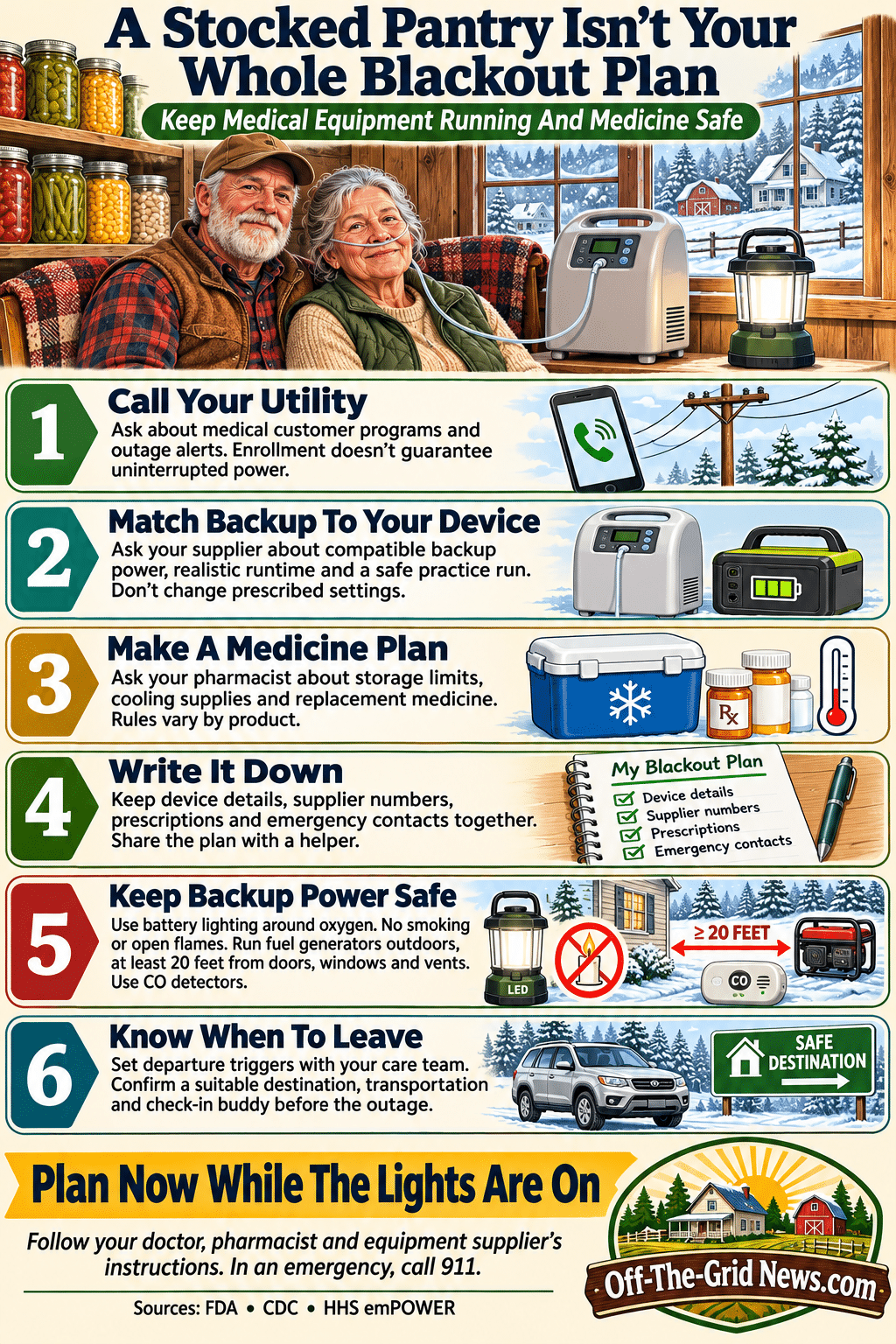
An Oxygen Concentrator Alarm Shouldn’t Be Your First Warning
A household plan for CPAP, oxygen, and refrigerated medicine — before the next outage
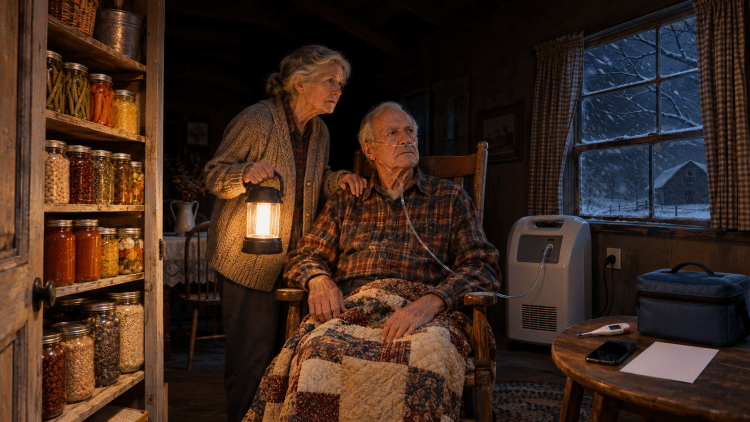
It was still dark when the machine started screaming.
Not a phone. Not a smoke alarm. The oxygen concentrator — the thing that keeps someone in the house breathing — went into alarm mode. Only then did anyone check the lights. Power was out. Forty-eight minutes later it came back. That household got lucky.
Plenty of families don’t.
Across the country, millions of Medicare beneficiaries rely on electricity-dependent medical equipment at home, according to the HHS emPOWER Program. Storms take lines down. In parts of California, utilities may run a temporary Public Safety Power Shutoff (PSPS) when wind and dry vegetation raise wildfire risk. The device alarm should never be the first notice you get.
This is a planning tool, not medical advice. Confirm every decision about your device or medicine with your doctor, pharmacist, or equipment supplier. In an emergency, call 911.
Tell Your Utility — And Sign Up for Alerts
Make one call this week. Use the number on your bill and ask:
- Do you have a medical baseline, medical certification, life-support, or priority-notification list for customers who use powered medical equipment?
- How do I enroll, and does my doctor need to sign?
- What does being on the list do during an outage — and what doesn’t it do?
Write the answers down. In California, PG&E’s Medical Baseline Program offers extra energy at the lowest price and additional PSPS alerts — not an exemption from shutoffs. The CPUC notes that PG&E, SCE, and SDG&E all offer advanced outage notices. Elsewhere, ask your co-op or municipal utility what they call their list.
Update phone, text, and email on the account. Answer and acknowledge alerts. PG&E’s own PSPS page warns that weather can change fast: in some cases the first alert may not arrive until the same day power is shut off. Sign up for your utility’s outage and PSPS alerts anyway — same-day notice beats no notice.
The FDA also says to notify your electric company and your local fire department that you have a medical device that needs power. Some utilities run free programs for medical-equipment customers; eligibility and capacity change — check yours. (PG&E’s Portable Battery Program shows applications for 2026 are closed as of this writing.)
Fill Out the FDA Worksheet — One Per Device
Download the FDA’s free booklet, How to Prepare for and Handle Power Outages for Medical Devices that Require Electricity. Complete one copy for each powered device — CPAP or BiPAP, oxygen concentrator, whatever you use.
It covers contacts (power company, fire department, supplier, doctor) and the backup questions to ask the manufacturer or provider. FDA tips also remind you: after power is restored, check that device settings didn’t reset to a default mode.
Tape a one-page info card to the fridge: model number, supplier phone (day and after-hours), pharmacy, doctor, utility outage line, and who to call if the alarm sounds.
Ask Your Supplier and Prescriber — Don’t Guess
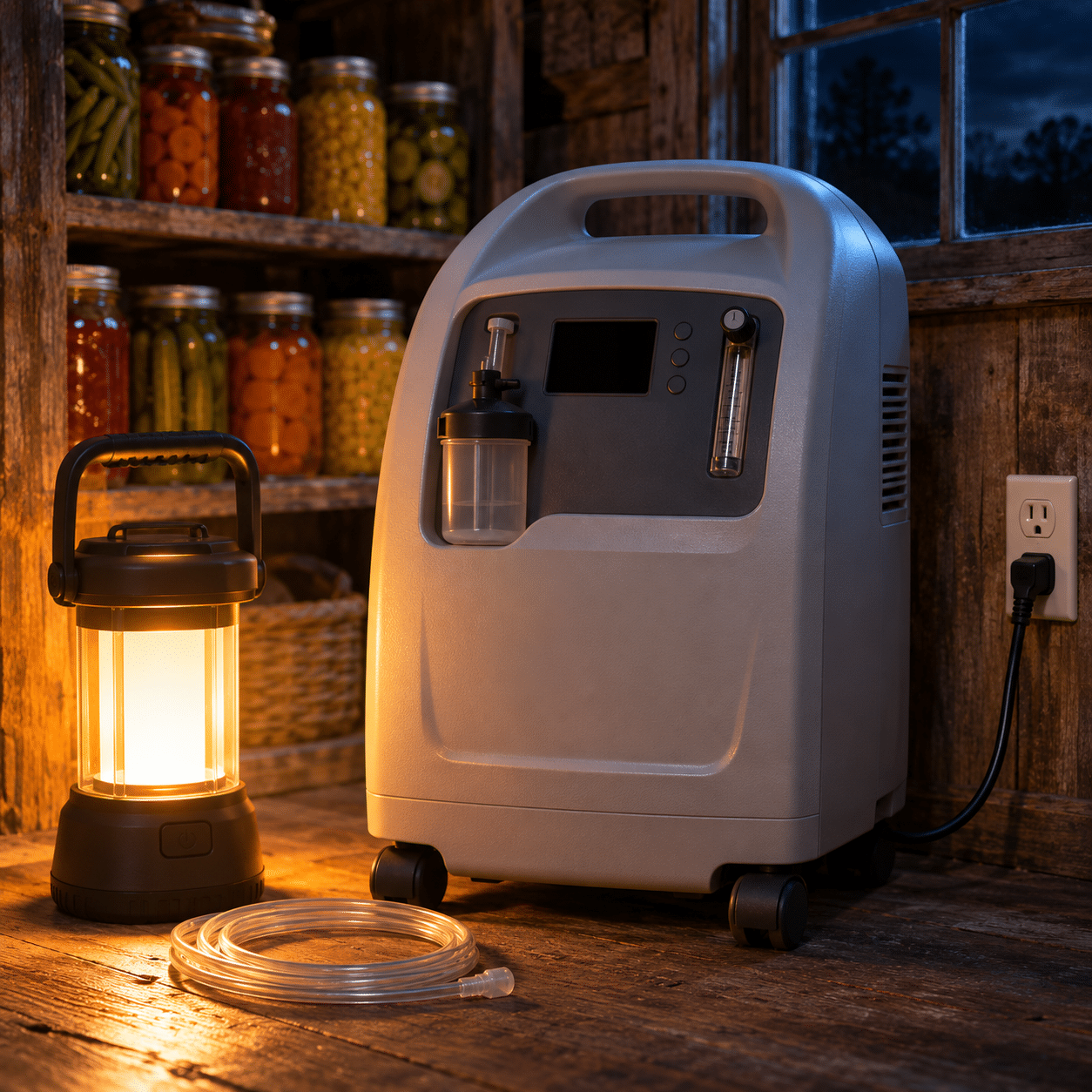 Battery backup is a supplier and prescriber conversation — not a shopping list from a stranger on the internet.
Ask your durable medical equipment (DME) supplier:
- If the power goes out, what backup is approved for my specific device, and how do I test it safely?
- Do you deliver backup oxygen cylinders (or other non-powered alternatives) during outages, and what’s the after-hours number?
- What should I do with the device when power comes back?
- Who do I call if it alarms?
Ask your doctor: If I can’t use this device for a while, what do you want me to do? Write their answer in the blank. Ready.gov and its people with disabilities page both say: talk to your provider about a power-outage plan, and ask your power company about priority lists.
We will not tell you which battery to buy, how long anything will run, or how to change settings. Those answers belong to the people who know your prescription and your machine.
Refrigerated Medicine: Ask the Pharmacist First
Which medicines need the fridge, how to store them in an outage, and whether they’re still okay afterward — that is a pharmacist question.
Ask: Which of my medicines need refrigeration? If power is out, how should I store them, and how do I know if they’re still OK? Can I get an early refill before a planned shutoff? If I lose medicine, how do I get a replacement, and who pays?
The FDA’s Safe Drug Use After a Natural Disaster page tells you to have a cooler-and-ice plan, follow the label, and contact a pharmacist or provider if temperature storage was interrupted. For insulin, FDA keeps its own emergency storage page — read it with your pharmacist; we are not restating those numbers here.
Keep a cooler and a thermometer ready. Keep medicines in their labeled containers. Don’t freeze them. Log when the fridge warmed up. Ready.gov adds: if power is out more than a day, discard refrigerated medication unless the label says otherwise — and consult your doctor or pharmacist for a new supply.
Oxygen Safety When the Lights Are Out
Oxygen and open flame do not mix.
FDA’s disaster tips are blunt: use battery-powered flashlights or lanterns rather than gas lights or torches when oxygen is in use. No smoking. No candles. Keep oxygen equipment away from heaters, stoves, and any outdoor generator exhaust.
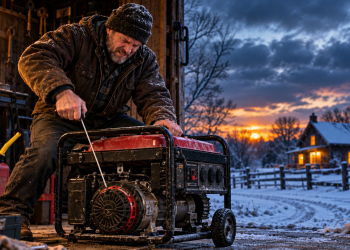
If anyone uses a generator for any reason, Ready.gov, the American Red Cross, and CDC carbon monoxide guidance all say the same thing: generators belong outdoors, well away from windows, doors, and vents. Carbon monoxide is colorless and odorless. Install battery-backup CO detectors. This is not a product pitch — it is a don’t-die rule.
Decide Stay-or-Go Before the Storm
Sit down before the outage and decide, with your doctor or supplier, what would make your household leave. Write that threshold in their words, not ours.
Then fill in logistics: where you’d go (family, friend, utility resource center, cooling or warming center, hotel — and check your insurance policy before you assume a hotel is covered); how you’d get there; what you’d take (device and supplies, medicines in the container your pharmacist named, chargers, ID and insurance cards, this plan); who checks on whom (buddy name, check-in times, “if I don’t answer by ___, call ___”); and a phone list — utility outage line, supplier after-hours, pharmacy, 211, and in California Disability Disaster Access & Resources. Keep the phone charged. If someone is in danger, call 911 first and follow the dispatcher.
Keep a Loss Log
When the power comes back, write it down: date and time off and on; any outage number the utility gave you; what was lost (medicine name as on the label, quantity, Rx number, pharmacy); receipts; who you contacted and what they said.
Nobody can promise FEMA, the state, the pharmacy, or your insurer will reimburse you. A record means you can ask early — instead of reconstructing weeks later from memory.
This Week’s Checklist
- Call your utility; ask about the medical/priority list; update alert contacts.
- Sign up for outage and PSPS alerts; tell the fire department about powered medical gear.
- Download and fill the FDA per-device worksheet; make a fridge-door info card.
- Call your DME supplier and pharmacist; write their answers in the blanks.
- Agree stay-or-go logistics and a check-in buddy with family or a neighbor.
- Stage a cooler, thermometer, flashlights, and a charged phone — and print this plan.
Foresight beats panic. The households that ride out the next outage aren’t the ones who improvise at 3 a.m. They’re the ones who made one phone call, filled one worksheet, and wrote down who to call before the concentrator ever had a chance to scream. Print the checklist. Fill the blanks. Then sleep a little easier.
Planning tool, not medical advice. Ask your doctor, pharmacist, or equipment supplier about your device and medicines. In an emergency, call 911.