 Print
Print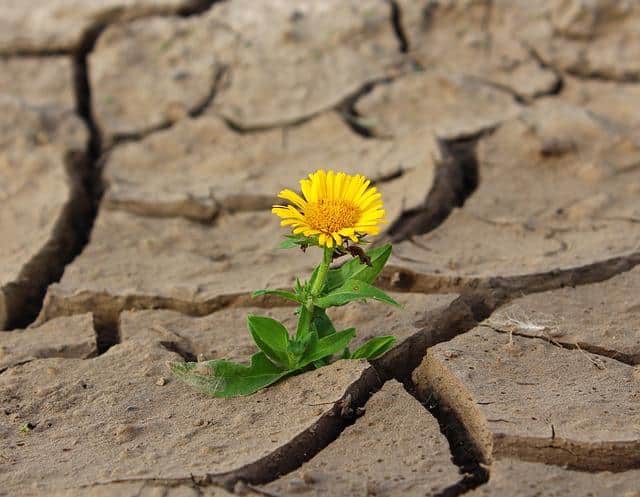
Drought is a serious concern for gardeners. As water supplies dwindle across much of the country, we are left wondering how long we can continue to provide a healthy supply of food for ourselves and our families during such difficult conditions.
You can still grow a garden, but the days of free-wheeling water use may be over. Gardening in drought conditions requires careful planning and wise water-usage strategies, such as the following:
1. Create healthy growing conditions. Add plenty of compost or other organic material. Healthy soil retains moisture longer and helps plants build deep roots. You also can use manure, but be sure it’s well composted. Add manure four months ahead of planting time, or wait until the season is over and use the rich stuff to improve soil quality for the coming year.
2. Mulch, mulch, and still more mulch. Gardening pros estimate that three to four inches of mulch can reduce watering requirements by half. A layer of mulch, such as chopped bark, dried leaves, straw or pine needles, keeps the soil moist and helps keeps weeds in check. You can also use dry grass clippings applied in thin layers, but never use grass clippings in your vegetable garden if your lawn has been treated with herbicides or pesticides during the last month.
3. Plant a cover crop in fall. “Green manure” such as alfalfa, vetch or clover improves water retention, adds nutrients to the soil, prevents erosion and discourages weeds from coming through. Till the dead plant material into the soil in early spring. (Be sure to mow if the cover crops flower before they are killed by frost; otherwise you’ll be faced with a weedy challenge in a few short months.)
4. Plant vegetables close together to prevent evaporation. By planting closely, you can also take advantage of companion planting to enhance growth and control pests.
Need Non-GMO Seeds? Get The Best Deals Here!
Similarly, plant in blocks instead of rows, with plants grouped according to their water requirements. Some plants are relatively drought-tolerant, while others, including all the cruciferous vegetables, tend to be notorious water hogs.
5. Go easy on the fertilizer. While fertilized plants are lush and green, they require considerably more water. Additionally, fertilizing in drought conditions always presents a risk of burning the roots.
6. Weed your vegetable garden regularly. Pull or hoe when the plants are small. Weeds are greedy plants that draw water and nutrients from your vegetables.
7. Plant your garden in a sheltered area so winds can’t dry the soil as quickly. Take advantage of a spot next to a building, fence or adjacent to tall plants. For example, sunflowers serve as attractive natural windbreaks, and once established, require very little water.
8. Consider a smaller garden. Plant only what you can use.
9. Create a no-till garden and avoid cultivating the soil whenever possible, as tilling breaks down soil structure, disturbs beneficial microorganisms that process organic matter, and affects the soil’s capability to retain moisture for longer periods of time. (Read about alternatives here.)
10. Install a rain barrel to take advantage of any rainfall. Many gardeners also use a rain barrel to store “grey” water from household use.
11. Plant drought-tolerant vegetables. If you aren’t sure about the best choices, ask at a reputable greenhouse or call your local Cooperative Extension office. One tip: Consider heirloom plants originating from Mediterranean or desert climates, which tend to be naturally more drought-tolerant.
Seamazing: The Low-Cost Way To Re-mineralize Your Soil
Finally follow these tips for watering in drought conditions:
- Water in the morning; moisture evaporates rapidly when temperatures are higher later in the day. A timer or automatic shut-off is a tremendous benefit if you work or need to be away from home for long periods of time.
- Swap your inefficient hose and sprinkler for a drip irrigation system or a good quality soaker hose that places water exactly where it’s needed – at the roots. Place the hose under mulch if you’re concerned about the appearance.
- If you aren’t sure how much water to provide, use a soil probe to determine how long it takes to soak the top six inches of soil. Another tip: A handful of soil should stick together when squeezed. If it crumbles, it’s time to water.
- Avoid overwatering; most vegetable plants require less water once established. Others, such as relatively drought-tolerant plants such as melons, cucumbers and squash, require generous irrigation during fruiting, but only light watering otherwise.
What advice would you add for gardening in a drought? Share it in the section below:
Bust Inflation With A Low-Cost, High-Production Garden. Read More Here.