 Print
Print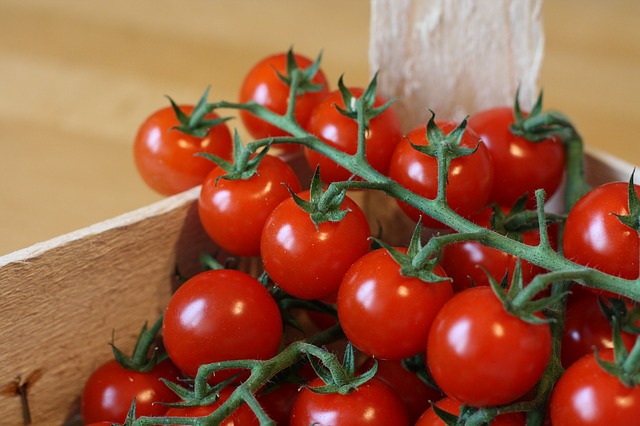
Sure, the idea of gardening indoors during the winter is appealing, but how practical is it, really? Even putting aside things like calculating the wattage of grow lights and researching the best seed varieties for indoor gardening, how do you find space? Where do you put enough plants to get a meaningful harvest?
If you have a basement or other unused space like a spare bedroom, you could certainly set up shop there. But not all of us have the space to spare. Plus, there are benefits to being surrounded by greenery. Numerous studies show that being in the presence of plants reduces blood pressure, anxiety, the effects of stress, and feelings of fatigue.
Need Non-GMO Seeds? Get Them From A Family-Owned Company You Can Trust!
Whether you have existing free space or not, it’s worth exploring ways to fill the nooks and crannies of your everyday living areas with lush-producing plants.
1. Hanging baskets
Tomatoes, peas, beans, cucumbers, salad greens, some herbs, and strawberries grow well in hanging baskets, as long as you keep these tips in mind:
- Bigger baskets give your plants room to flourish. Choose baskets that are at least 12 inches deep and that have a minimum diameter of six inches.
- Keep the soil light by buying commercial potting mixes and working in some perlite or vermiculite before planting.
- Research cultivars to determine the best ones for indoor gardening, and while you’re at it, make a note of how much sunlight each one requires. Oftentimes, a sunny southern window will provide enough light, but it’s easy enough to supplement natural light with a clamp-on grow light if needed.
- Most vegetable plants thrive in temperatures that range from 65 to 75 degrees Fahrenheit. While peas can tolerate light frosts, position other producing plants away from drafty doors and windows.
2. Vertical growing spaces
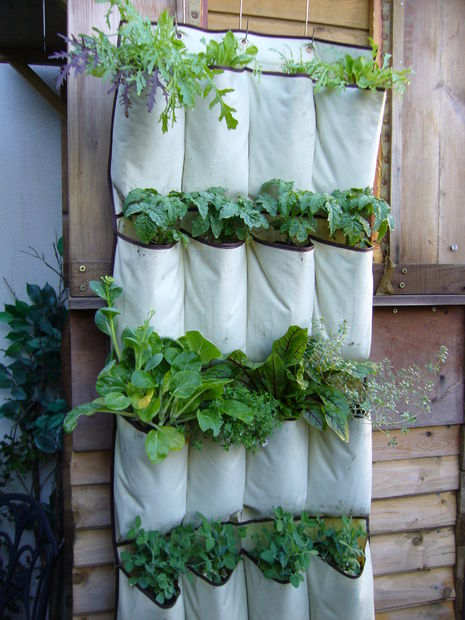
Create vertical growing spaces for smaller compact plants like herbs and salad greens. Install fixtures against your existing walls and maximize your growing space with ideas like these:
- Fabric wall pockets, similar to over-the-door shoe holders, are super easy to install and use. Choose ones that are designed for indoor gardening, since they are made with waterproof fabric and/or water reservoirs to protect your walls.
- For a rustic look, use stainless steel hose clamps to attach mason jars or other small vessels (like mini galvanized pails) to a length of board.
- Build a large, simple frame out of 1x4s, and install cleats on the inner sides. Stack rectangular plastic balcony box planters on the cleats for a picturesque — and highly practical — wall planter.
- A prefab shelving unit provides not just ample vertical growing space but a place to permanently install a grow light system, too.
3. Plants with small footprints
With only a little bit of space, potato plants provide large yields. Potatoes are easy to grow indoors, and can be planted in any tall container, such as a five-gallon pail, plastic tote box, waste bin, or even a large bag, such as a chicken feed, fertilizer or garbage bag. Additionally, growing potatoes in straw keeps the container light and easy to move. Although the base of the container needs to be covered with small gravel and a few inches of topsoil, once the potato eyes are planted in the soil, the rest of the container can be filled with straw. Start with about four to six inches of straw, and when the plants start peeking out, top up the straw to encourage the plant to keep growing. Late-season cultivars work best because they will continue to set tubers as the plants grow taller, unlike early-season potatoes, which set tubers only once.
When planning your indoor garden, think outside the traditional floor-bound pot, and find ways to fill the nooks and crannies of your home with edible plants. Not only will you harness the health and environmental benefits of growing your own food, but your home will be lush and vibrant.
How do you maximize your indoor gardening space? Share your tips in the comment section below:
Every Year, Gardeners Make This Stupid Mistake — But You Don’t Have To. Read More Here.