 Print
Print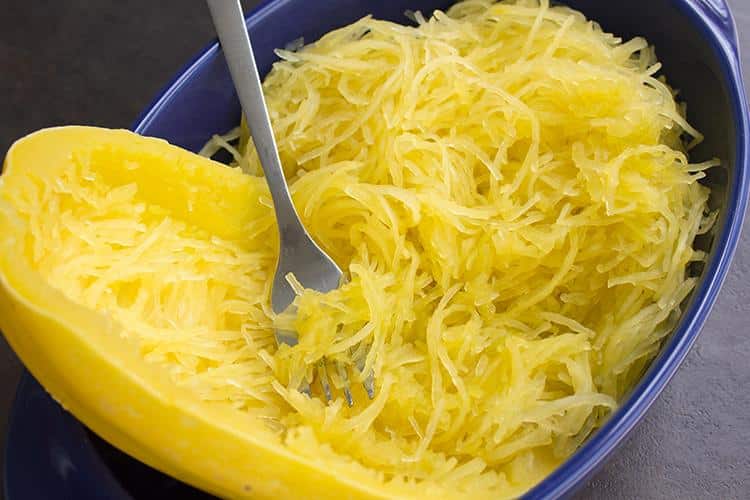
Several years ago, my mother-in-law was diagnosed with celiac disease, which is treated with a gluten-free diet. When she visits our home, we adjust the family menu accordingly, and have found spaghetti squash a great addition to the pantry. The flesh can be consumed and processed using recipes for most gourds, the seeds can be roasted for a snack, and the stringy innards are a savory pasta alternative.
A hearty gourd, spaghetti squash is simple to start and maintain in the garden. Here are five tips for growing robust fruit.
1. Starting The Seeds Indoors
The instructions on many seed packets are to sow squash directly into the soil, but spaghetti squash can be started indoors as long as eight weeks before the last frost date. The fruit takes three and a half months to mature, so starting indoors is a good choice in cold-weather regions.
In my region (zone five), I start the seeds in mid-March, transplant in mid-May, and harvest at the beginning of September. That correlates well with breaks from busy family routines: spring break, Mother’s Day, and Labor Day.
The seeds should be started in separate containers, because the plants take up a lot of room and attempt to intertwine. Place toilet paper rolls upright in a transparent plastic or glass tray with tall sides. Fill the rolls with potting soil, packing it tightly with a spoon. Push two or three seeds into each roll, about one inch deep, with the eraser end of a pencil. Cover the tray with plastic wrap, or a sheet of repurposed bubble wrap, and put it near a north-facing window.
New Natural Fertilizer Doubles Garden Production!
The seedlings need to be kept cozy to germinate. Plug any drafts in the area where they are being started, and keep them under wrap until the plants are several inches tall. Once started, they will tolerate mild temperature fluctuations.
When watering the seedlings, do not pour directly onto the toilet paper rolls, but off to the side, to avoid soil disturbance. When seedlings are two or three inches tall, thin them to one per roll. As they grow, move the rolls apart as needed to avoid tangling.
2. Transplanting
The seedlings must be acclimated to the outdoors before they are transplanted. On warm days, move the seedlings outdoors for part of the day, increasing the time as the plants become accustomed to outdoor living. A week before transplant, keep the seedlings outdoors from dawn to dusk.
Story continues below video
The plants can be buried up to the first set of healthy leaves. Because they’ve been consistently wet, the toilet paper rolls will be fragile by the time you transplant. Lift them carefully from the trays to keep them as intact as possible. The protection of the disintegrating rolls will reduce root shock within the first two days after transplant.
Spaghetti squash can be planted in hills, with three plants per hill, or trellised. I prefer trellising them to avoid fruit rot.
3. Trellising
Trellises must be well-anchored, because once they start filling in with plants, they become wind sails. Although the plants are shaped to withstand wind, a strong wind might knock over the entire structure, ripping the plants out of the ground.
The young tendrils of squash are not as aggressive as those of cucumbers. They need to be trained to grab onto a trellis, instead of simply planting them near a trellis. Once the plant grabs onto the trellis, it will continue to climb upward, but don’t be surprised if the young plants need to be repositioned several times.
At that point, do not be tempted to tie the plants to the trellis, because the wind will break them. They need to form naturally. On the other hand, the fruits must be tied to the trellis with slings, because the stems are not strong enough to hold them. Old tee-shirts made into slings are stretchy enough to allow the fruits to grow.
4. Harvesting
When the gourds are fully mature, cut them at the stem with a sterile, sharp knife, or pruning shears. Gourds with a little bit of damage should be consumed first, while the more pristine gourds will last two or three months in a cool basement.
Some people like to wash the fruits at harvest, but I have found that seems to accelerate rot.
Unfortunately, you don’t have to worry about having too much spaghetti squash, because, on average, each plant yields two or three fruits.
5. Storing
Ideally, hang the squash in a cool basement, or place them on a rack. Either way, don’t allow them to touch. They can be stored on a shelf if they are turned at least once per week.
Although canning is a viable option, the flesh and pasta-like innards of the squash dehydrate beautifully. I enjoy re-hydrating the flesh for soups and casseroles. The innards can be rehydrated and served with tomato- or cream-based sauce.
What are your tips for growing spaghetti squash? Give us your tips in the comments section below.
Sign up for Off The Grid News’ weekly email and stay informed about the issues important to you