 Print
Print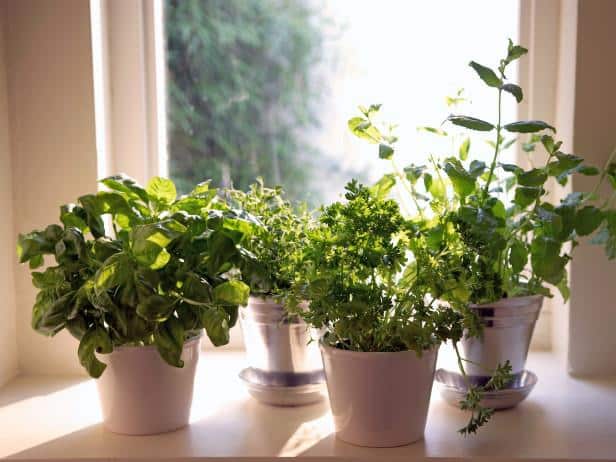
 It feels great to just step outside into your garden for a sprig of rosemary or a few basil leaves when you are cooking a meal. The aroma and taste of fresh herbs is a big advantage of summer gardening. They taste great, they smell wonderful, and you’ve probably read about their health benefits as well.
Did you know you don’t have to forego the pleasure of fresh home-gown herbs in the winter months? You can start your own indoor herb garden, and you’ll find it is so easy that you’ll kick yourself for not having done it sooner.
Herbs do need sunlight and warmth, so your first step is to check around your home for available window ledges, countertops or shelves that get plenty of exposure to the sun. Most culinary herbs prefer at least six hours of sunlight a day. If ample sunlight is a concern, another option is to purchase a grow light. You may either use it either in combination with sunlight or exclusively, depending upon the lighting conditions in your home. Place the grow light no more than six inches from the tops of the plants.
If possible, choose a location for your herb garden that is away from both cold air drafts and from dry blasts from your heating system. To keep the plants warm, make sure that their leaves will not be touching a cold windowpane.
Next, decide which herbs you want to grow. Start with a few basics, such as oregano, thyme, parsley, basil and rosemary. Then add a few others that your family particularly enjoys in their favorite meals. Cilantro? Dill? Chives? Check your garden center for high-quality seeds or for healthy and vigorous-looking starter plants. You might find a selection of starter plants in your grocery store’s produce section as well.
New “Survival Herb Bank” Gives You Access to God’s Amazing Medicine Chest
Now choose pots that fit your location and your space. You can either use a variety of individual pots or group the plants together in a long, rectangular planter. Be creative in sizes and colors, but be careful that your pots either already have drainage holes or that you can add drainage holes. In order to stay healthy, most herbs do need to drain well. Place saucers under your pots as needed.
Use a high-quality indoor potting soil mix. Follow the directions on the seed packet or plant your starter as you would for any other type of plant. Dampen the soil after planting.
As your plants begin to grow, give the pots a 90 degree-turn once a week to keep them growing evenly. Also, after they have reached a height of about four to six inches, snip and use your herbs on a regular basis to keep the plants compact and bushy. The more you snip them, the bushier they will become. Do not trim more than a third of a plant’s foliage at one time, however, or you will compromise its health.
Water your plants so that the soil is moist but not soggy, and be sure to drain any excess water from their saucers. Apply an all-purpose fertilizer about once a month.
If your herb garden is in your kitchen, the plants should get some additional humidity from your use of the sink or dishwasher. If not, you can lightly mist them with a water spray bottle. Another option is to place your pots in a pebble tray for added moisture.
Here is some specific information on several herbs that grow well indoors:
1. Rosemary: A perfect addition to everything from pasta sauces, to lamb, to seafood, rosemary is a hardy plant outdoors that can grow well indoors. If possible, find a windowsill with strong southern light for your fragrant rosemary plant. Good drainage is especially important for rosemary; be sure not to overwater it.
2. Thyme: A subtle aroma and a slightly minty flavor make thyme a favorite for cooking poultry, fish and soups. Thyme is an easy herb to grow indoors as long as it has plenty of sunshine and not too soggy conditions.
3. Sage: So tasty with pork dishes, sage doesn’t like its feet to stay wet, so make sure its soil is always well-drained. Watch that its saucer stays dry as well. You’ll find that sage grows more slowly indoors than outdoors, but your snipping encourages new growth.
4. Cilantro (aka coriander): You’ve probably seen it referred to with both names, and both are correct. Cilantro refers to its leaves, and coriander names the plant’s seeds. Plant this gentle herb with a few neighbors, such as anise or dill, to help hold up its spindly stems. The distinctive flavor and lemony scent of this herb is popular in Mexican dishes and in Asian cuisine.
5. Oregano: Light green in color with a lovely light fragrance, oregano can thrive indoors. A native of the Mediterranean region, oregano likes it sunny, warm and dry. Add it to your tomato-based sauces and soups for wonderful flavor.
6. Parsley: Not just useful as a garnish, just a few leaves of parsley can add fresh flavor to a simple winter soup or pasta dish. A healthy parsley plant will put down a sizeable root system, so be sure to choose a pot that is a least six inches deep and repot as necessary.
7. Lavender: The lovely scent and healing properties of fresh lavender can be a valuable addition to your indoor herb garden. If your lavender plant gets at least gets three to four hours of sunlight a day, it can easily grow up to more than two feet tall! As it outgrows your windowsill, consider moving your lavender plant to its own plant stand near a sunny window.
Scientists have found that fresh herbs provide us with many necessary vitamins and nutrients as well as antioxidants. As with the other foods we eat, these benefits are greatest in the food item’s most natural state. Using fresh herbs year-round, then, is a healthier alternative to dried herbs. Growing your own herbs is also more cost-effective than purchasing them at the store, What’s more is that the flavor and aroma they provide is more than worth the trouble and effort of growing your own.
You are sure to discover that establishing and maintaining an indoor herb garden is just another natural progression in your simplified lifestyle.
Sign up for Off The Grid News’ weekly email and stay informed about the issues important to you