 Print
Print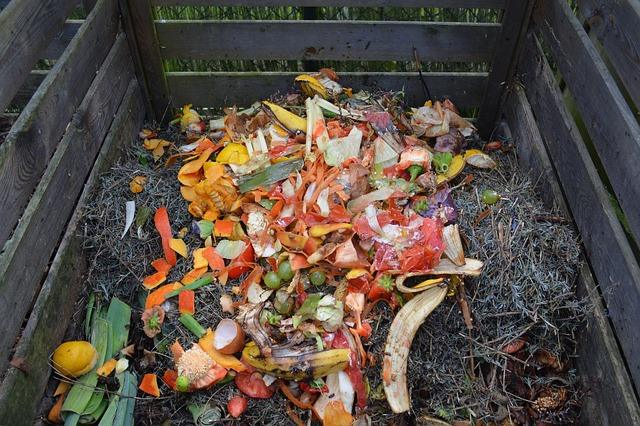
Most people know what composting is but are often not sure how to create their own compost pile – or they wonder if it will really make a difference.
Creating a pile, though, is fairly easy and very beneficial to your garden as well as the environment as a whole.
There are three ways to create compost: aerobic composting, anaerobic composting and vermicomposting. Most composters are familiar with the first two, but the last one is less known since it requires a lot more work. For this article I’m going to concentrate on aerobic composting. However, I will explain the anaerobic system briefly.
Anaerobic or Aerobic
Anaerobic means “without oxygen.”
- These are the compost piles that smell like rotten eggs or decomposing animal flesh.
- It can take years for this type of pile to break down into usable compost because of the slow-working nature of the bacteria that decomposes the materials.
- Because it takes so long to break down and the bacteria doesn’t need oxygen, this is a very easy form of composting.
Aerobic means “with oxygen.”
- Compost created with this system is usable within a matter of months instead of years.
- It does take more work than just piling a bunch of stuff and letting nature do its work. But the quality of your compost will be so much higher because you are introducing oxygen into the soil that will eventually be used by your plants.
- This method of composting will not smell badly unless there is a major imbalance in the nutrients being introduced into the compost.
Your Best Source For Community Garden Non-GMO Seeds Is Right Here!
Suggested Equipment
Rolling bins
- These are enclosed bins that have small holes on all surfaces, except the access portal.
- They can be rolled to wherever your yard or garden waste is piled, which allows you to aerate the compost without having to use a pitchfork to turn it manually.
- Advantages: “ow maintenance, easy to clean. Deters rodents and other scavengers. The lid keeps rain out of the compost.
- Disadvantages:
- Fully loaded bins can become heavy and difficult to roll.
Tumbling composters
- These are stationary containers, so you will have to bring the materials to the bin.
- They look better than random piles. And the metal exterior helps to speed up the composting process.
- Advantages: Efficient design makes it easy to aerate the contents. Supplies the bacteria breaking down the materials with the oxygen it needs to keep working. Available in various sizes to accommodate the amounts of compost material you have on hand. Secure lid keeps rain from the compost and deters scavengers.
- Disadvantages: Once the bin is full you have to wait for the process to finish before adding more materials for composting.
Compost pile
- While not the most efficient method of composting, it is still a viable option if you do not have access to either the rolling bins or tumbling bins.
- Advantages: No need to build or buy a bin if you choose not to. Can be placed anywhere on your homestead.
- Disadvantages: Requires daily turning to ensure proper aeration. If not turned daily these piles can begin to smell and take a long time to decompose. Since it is not securely contained it can attract scavenging critters.
Why should you compost?
- Composting eliminates the need for chemical fertilizers.
- Composting produces nutrient rich soil for your plants. Those nutrients will be passed on to you.
- Composting diverts food waste from landfills and will save you money on garbage removal.
- Composting conserves water.
New Natural Fertilizer Doubles Garden Production!
What can I compost?
If you contact your local USDA Extension office they will tell you that you should never add bones, meat or fat scraps, oils or dairy to your compost. The reason being that they break down much more slowly than plant materials. This is true. However, that does not mean that you can’t utilize those items in your compost pile. It just takes a bit more care. The only item that I do not add to my compost pile is straight oil that I have used for deep frying. Otherwise, it is fair game for the pile.
Most composting material is considered green, brown or other. Green composting material introduces nitrogen into the soil. Brown composting material introduces carbon into the soil. Other materials can introduce nitrogen and/or carbon, as well as other trace minerals that plants require into the soil.
‘Green’ composting materials:
- Table scraps
- Fruit and vegetable scraps, including moldy and overripe fruits and vegetables.
- Grass clippings. You can include weeds from the yard or garden as long as they have not gone to seed. Weeds that have gone to seed and some perennials can contaminate your compost and cause those weeds to proliferate.
- Flowers
- Seaweed and kelp
- Chicken manure. This is a great activator for your compost pile.
- Coffee grounds and teabags. You can include the filter since it will decompose quickly.
‘Brown’ composting materials:
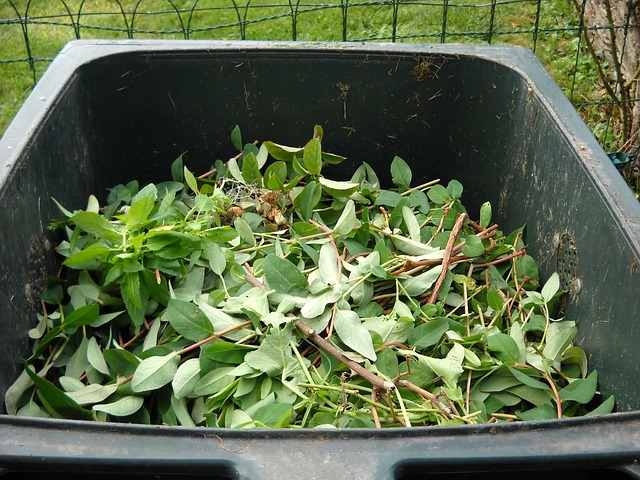
- Leaves, pruned branches from trees and shrubs. These decompose more quickly if shredded or chipped.
- Straw or hay
- Wood ash
- Paper, cardboard and newspaper. Shred this material before adding to your compost pile. Do not use glossy paper or paper that is printed with colored ink. Remove all plastic windows from envelopes and tape from cardboard.
- Corn cobs and stalks.
- Sawdust. Use sparingly since sawdust is considered a nitrogen-robbing material.
Other composting materials:
- Egg shells. Introduces calcium and potassium. Wash and dry completely before crushing to aid decomposition.
- Fish bones, heads, scales, etc. Introduces nitrogen, carbon, calcium, potassium, manganese, magnesium and chitin into the soil. Chop up large heads and allow large fish bones to dry out before crushing into small pieces.
- Bone meal. This comes from larger meat animals. You need to dry out the bones and crush them finely to make them beneficial to your compost. Bone meal introduces nitrogen, carbon, calcium, potassium and trace minerals needed by the soil.
And that’s all there is to it. Your pile or bin will turn out a wonderfully rich hummus that you can add to your garden when it’s time to plant, and you can mix with your soil when you’re ready to plant your garden.
What is your favorite way to compost? Share your tips in the section below:
Every Year Gardeners Make This Avoidable Mistake — But You Don’t Have To. Read More Here.