 Print
Print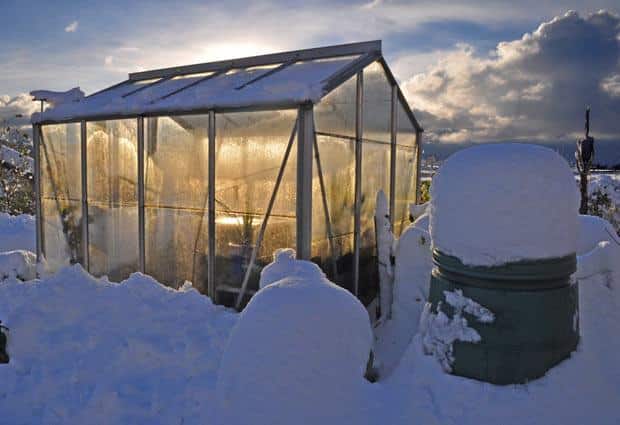
When you look at vegetables in the grocery store in the heart of the winter, they may look a bit tired and lacking in color. Wouldn’t it be great to have fresh vegetables all winter long? It doesn’t have to be a dream — it is possible. During winter, vegetables can and do grow – slowly — but they do grow.
Why Winter Garden?
One benefit of winter gardening is not having to weed as much as you do in the summer. There are fewer pests, fewer weeds and you don’t have to water much, if you need to water at all. Winter temperatures actually “store” or preserve the vegetables for you.
Winter gardening is one way to ensure you continue to get your organic, healthy dose of fresh vegetables year-round.
Options for Winter Gardening
There are two main ways of winter gardening. You can either grow crops to harvest during the autumn or winter, or you can plant crops to overwinter and harvest early in the spring. If you aren’t so keen on growing crops for winter, you can always prepare your garden for spring. You can decide on the mulch to use and the surface you want, and mark and lay paths or add new garden beds.
There are a few planting options. Whichever one you choose will depend on your location, the severity of your winter and what vegetables you want to grow.
The Best Source For Non-GMO Heirloom Seeds Is Right Here …
Three options are cloches, cold frames and greenhouses. When you use a greenhouse (also called a hothouse, potting shed, nursery and glasshouse,) make sure you put it in a clear spot to maximize sun exposure. Greenhouses are the best way to go if you want to garden year-round. They use solar radiation to keep a warm atmosphere in the building so plants can grow.
Garden centers usually have simple kits to build your own style of green house, and often they are inexpensive for a small one. There are also two particular kinds of greenhouses to mention, as each has their own contributions to winter gardening. One is a cold house; the other is cool house. Cold houses allow for warm temperatures and protection from outside elements, but can still have temperatures drop to below freezing inside. Cool houses do the same thing, but keep temperatures around 40 degrees Fahrenheit. (A cool house requires a heating source.) Growing seasons last longer in cool houses.
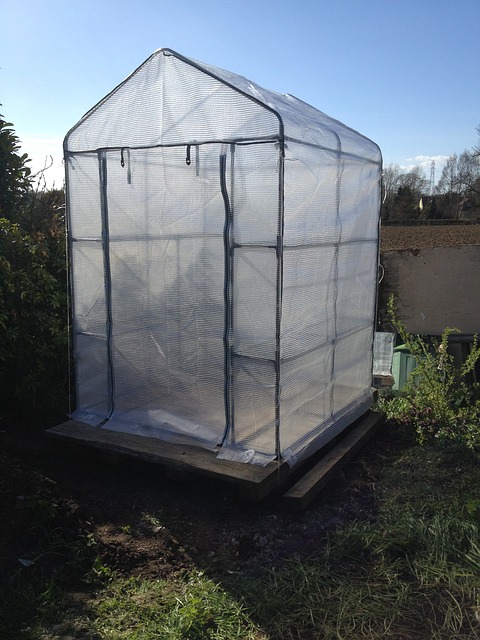
Polytunnels are another useful tool to help winter gardening. They are great to use if you live in an area with strong winds. Polytunnels protect against powerful winds and heavy rain. They don’t really protect too much against frost, so be aware of that. Polytunnels also protect against hungry creatures like birds, who will want a bite of your crops.
Whatever you choose, consider starting the seeds inside your home. Many times, growing your own seedlings results in stronger plants than store-bought seedlings. You can even collect seeds from your own plants. Once the seedlings are big enough, they should spend some time in a cold frame to harden them up before planting outside.
This New All-Natural Fertilizer Doubles Garden Production!
Potted plants need care, as their root systems are vulnerable to cold. Move potted plants indoors to a greenhouse or at least close to your house for some protection.
Hardy Winter Vegetables
Herbs do well in the winter, especially with some protection or cover. If you are looking for vegetables, the list of hardy vegetables is long and varied. Here are a few:
- Spinach: popular, tasty and easy to grow.
- Mustard: another great crop for winter.
- Cabbage: birds love this plant, so it may need some protection. Plant 12 inches apart and put soil around the stems to protect against the cold temperatures.
- Lettuce: can be picked throughout the winter. Once the plant is established, it may be able to grow unprotected.
- Beets: considered a root crop, beets can take around 90 days to mature.
- Spring onions: these vegetables store well after harvesting. Harvest in the early spring.
- Kale: dark green and leafy, you can get several winter harvests from one plant.
- Carrots: fast-growing. Can be sown in November in greenhouses or outdoors in late July.
- Potatoes: plant in August, keep soil loose.
- Garlic: easy to grow. Plant 2.5 inches deep and one foot apart. There are plenty of varieties.
Protecting your plants is half the battle. Always add some mulch after planting for the winter, and plan to harvest during the warmest hours of the day.
Winter doesn’t need to be gloomy or boring. Plan your gardening for tasty, year-long enjoyment.
What advice would you add for winter gardening? Share your tips in the section below:
Learn Dozens Of All-Natural Gardening Secrets. Read More Here.