 Print
Print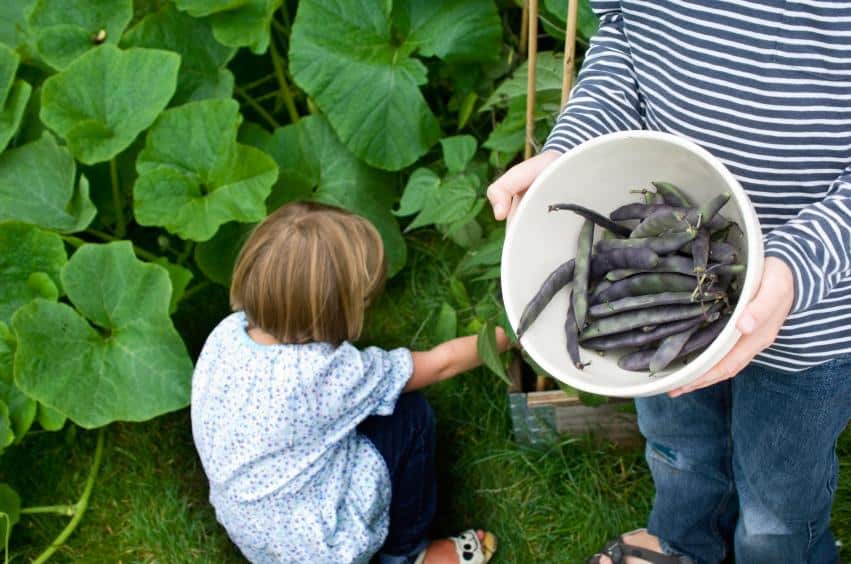
Living off the grid means not relying on others. This includes your garden, which should be sustainable on its own—no fertilizer or pest controls in little plastic bottles from the store or colorful little packets from a Big Ag seed company. To get a sustainable garden, you must save seeds, which has two basic components: growing heirloom varieties that provide seeds that will produce plants true to form, and saving those seeds for planting in future years. This article focuses on the first goal, obtaining genetically pure seeds.
There’s an entire science devoted to this practice. As references, I recommend Seed to Seed by Suzanne Ashworth or Breed Your Own Varieties by Carol Deppe. Once you’ve successfully saved seeds for a couple of years, you can consult these resources for more advanced techniques, such as caging and manual pollination. For now, I’ll just cover the basics.
The most important step to ensure pure seeds is selecting the right plant. For this, there are four points to remember: (1) different plant species do not cross with each other; (2) varietals (types) within a species may cross; (3) depending on the species, there is a minimum number of plants required to maintain genetic diversity; and (4) if species cross, there is a minimum distance the species need to be planted apart to avoid this, called the isolation distance.
The Easy Ones
Ensuring pure seed is easier for some vegetables than for others. Beans, carrots, onions, peppers, potatoes and tomatoes easily produce pure seed with a few plants in a small space.
Beans are self-pollinating and generally don’t cross much with other beans of the same species as long as they are spaced a few feet apart. Therefore, you can grow just a few plants for as many varietals as you want to grow.
Carrots are biennials, producing edible roots the first year and seeds the next. For carrots, the strategy is that you can grow as many varietals as you want, but only allow one varietal to mature and go to seed. I like to grow three types every year, allowing one to go to seed for use the next three years. With carrots, you need to grow at least 24 plants for the type going to seed.
Onions are difficult to grow from seed, and even if you try, different varietals require isolation distances up to three miles from each other. As discussed elsewhere on Off The Grid News, try perennial onions. They are easy to grow and reproduce with bulbs instead of seeds.
Pepper varietals cross with each other. Unless you have room to isolate different varietals by 500 feet, you can grow only one species. Fortunately, there are two species of peppers commonly grown for consumption. Choose one from Capsicum annum (sweet and chili peppers) and one from Capsicum frutescens (Tabasco and squash peppers).
Potatoes are grown from tuber cuttings, so you can grow as many varietals as you want.
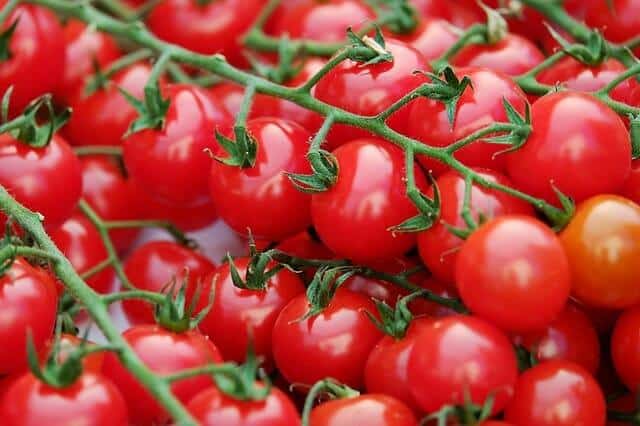
Except for beefsteak and potato-leafed types, tomatoes don’t cross-pollinate very much. You can grow a one beefsteak, one potato-leafed type, and several other varietals, spacing them just a few feet apart.
New Survival Seed Bank™ Lets You Plant A Full Acre Crisis Garden!
The Hard Ones
Other plants require more plants and space to produce pure seed.
Although it may be difficult to believe, the biennial broccoli, Brussel sprouts, cabbage, and cauliflower are all the same species. Therefore, while you can grow as many types as you want, you can only let one go to seed in the second year. Grow at least 15 cabbage plants for seed saving, and at least 10 plants for the other types.
Corn is notoriously difficult for the home gardener trying to save seed. It’s wind-pollinated, so you can only grow one varietal at the same time, unless you have an isolation distance of a mile or use time isolation. You can grow a fast type (75 days) and a slow-growing type (105 days). Plant the fast-growing one a couple weeks before the slow-growing one. The pollen from the fast-growing corn will be distributed before the slow-growing corn’s silk emerges. Also, to prevent loss of genetic diversity, you need to grow at least 200 plants, which take a lot of space if you have a limited gardening area.
Different cucumber types easily cross-pollinate each other, so you can only grow one type in an average garden. Also, to ensure genetic diversity, grow six or more plants, which takes a lot of room. If you want more than one cucumber, try Armenian cucumbers if you’re not growing melons. Although botanically they are melons, Armenian cucumbers taste like cucumbers.
Squash actually consists of six species, four of which are cultivated for consumption. Therefore, you can choose squash from the four different species and grow one of each without danger of cross-breeding. For summer squash, select a summer squash from Cucurbita pepo. Select a winter squash from Cucurbita moschata. Then, if you want to grow another summer or winter squash, do some research and choose a varietal from the Cucurbita mixta or Cucurbita moschata species. Just be aware that you must grow at least eight plants for each varietal to ensure sufficient genetic diversity. That’s a lot of room, even for a moderate-sized garden!
Troubleshooting
Seeds that do not produce true-to-form vegetables mean your plants may be crossing with a nearby neighbor’s plants or wild varietals. If you have a nearby neighbor living off the grid, discuss seed saving with your neighbor so that you can share seeds to ensure that there’s no cross-pollination. Of course, there’s always the possibility that your carefully chosen varietal is compatible with a wild-growing version of the same species. For example, Queen Anne’s lace is biologically the same species as carrots, and will cross with them. Lettuce also has wild-growing cousins that cross with it.
Conclusion
It takes a lot of work to choose the correct plant types and provide the necessary space to ensure pure seed suitable for seed saving. But it’s worth it. There may come a time when you can’t count on the local nursery for seeds and seedlings. To prepare for that, start saving seeds so you never have to worry about that again.