 Print
Print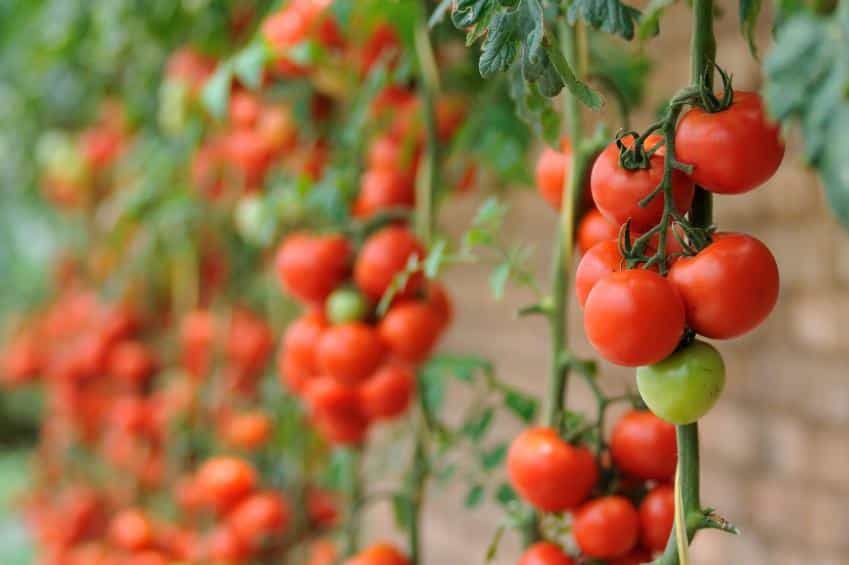
 If you are getting the itch to get out in your garden but can’t because of the chance of late winter freeze or frost, it’s time to think about starting an indoor vegetable garden.
While some plants are out of bounds because of size and space – say corn or melons, for example – you’d be surprised how many veggies will grow and thrive well right in your home, even in a small living space.
The keys to a successful indoor vegetable garden are proper soil and moisture, containers that provide adequate growing room and plenty of light. I know I may have lost some of you with the last one on that list. You may be wondering how you can provide your plants enough exposure to sunlight, especially this time of year. Yes, many vegetable plants need at least four hours of bright light and most prefer more, but that light requirement doesn’t mean you need several south-facing windows.
You can supplement your available window light with full-spectrum plant lights. Look for “grow lights” at your garden center or think about using LED or CFL (compact fluorescent light) bulbs lights that you can purchase at a home improvement store. Spot grow bulbs are another option for your indoor garden; they do not use much electricity and they can be directed right where you need them. You can find these at your local home improvement or gardening shop.
Once you determine what lighting option will work best for your location and budget, determine how to hang or position the lights so that they are four to six inches away from the plants. Then attach a timer to allow for the proper amount of light for that plant.
Next, think about what containers you will use and the potting medium with which you will fill them. Consider a mixture of compost and organic potting soil with a time-release fertilizer to provide extra essential nutrients.
Order your 2014 Heirloom Solutions seed catalog and get $20 in your account!
Depending on what you are planting and the room you have, flowerpots, window boxes, planters, baskets and even large containers (such as five-gallon buckets) will work well. If you do use a large bucket for the needed depth for root vegetables, make sure you have several drainage holes. Use a liner for the entire container or at least line the bottom of the pot with screening or landscape cloth to prevent loss of soil and moisture – and a mess in your house. A drainage tray is helpful, as well.
Just like you do with your outdoor garden, you can start your indoor veggies from seed or from starter plants in small pots and then move them to larger containers as they grow. As you might imagine, the larger the mature plant, the larger the pot you will require. If your floor or shelf space is limited, why not take advantage of some unused space by hanging some of your vegetable plants? You can successfully grow vining plants like peas, beans and certain small tomatoes in hanging containers.
With the correct indoor lighting, you can be creative in where you begin your indoor garden. In addition to hanging baskets, consider shelves, baskets, bookcases and mantels, anywhere that you might put a houseplant can be a good spot for a small garden. Some innovative indoor gardeners have harvested several pounds of potatoes in a few square feet of space with potato towers and bags.
How much water?
Be careful not to over- or under-water your indoor vegetables. Remember that, as a general rule, container gardens tend to dry out more quickly than plants in the ground because their roots can’t reach for ground moisture. Since wilting can be a sign of both over- and under-watering, rely instead on a simple finger test. Press your finger about two inches down into the soil. If the soil is moist, you do not need to water, but if it feels dry, it’s time to water.
Indoor air can be dry in the winter, so your vegetable plants may benefit from misting just as your other houseplants do. An easy way to add some moisture for your plants is to fill a tray an inch deep with pebbles or gravel, add water and then place your pot on top of the pebbles.
Story continues below video
)
Be on the watch for cold windows and drafts. Depending on your windows and where you live, you may need to insulate your windowsill containers from the cold. This temporary insulation can come in the form of a sheet of cardboard, a piece of cloth, bubble wrap or Styrofoam. Research the temperatures that each vegetable prefers. While your leafy greens will do well in cool temperatures, your tomatoes like it hot. Similarly, you may need to protect your plants from too much sun in certain climates. A light gauzy curtain or a strategically placed piece of wax paper can shield tender windowsill plants from the potential harm of direct sunlight.
What to plant
If you are new to indoor vegetable gardening, start out with herbs, lettuces and spinach for easy edibles. As you learn your way, you can branch out to other choices including beans, radishes, peas, carrots, onions, garlic, eggplant and peppers. Some fruits — especially strawberries — also grow well indoors with the right light and warmth.
You don’t need to worry about pollination with your leafy veggies, but with tomatoes and peppers you will need to step in to do some makeshift bees’ work. Encourage tomato pollen to spread from tomato flower to flower by giving each stem a gentle shake. For pepper plants, use a cotton swab to lightly dust each flower.
How big your indoor garden can be depends on your space, your needs and your ingenuity. Many families find that they can easily grow enough lettuce, tomatoes and spinach indoors to meet their weekly salad needs.
Once the weather warms up, you can move your indoor pots and containers outside for the growing season. You may find, however, that you enjoy the ease and convenience of growing indoor veggies so much that you keep your indoor garden right where it is long after your outdoor garden is planted. As you discover what vegetables grow well in your home, you’ll find the process just too satisfying to discontinue.
Have you grown vegetables indoors? What tips would you give? Are there challenges others should know about? Let us know in the comments below.
Sign up for Off The Grid News’ weekly email and stay informed about the issues important to you